4 min readAug 8, 2026 07:09 AM IST
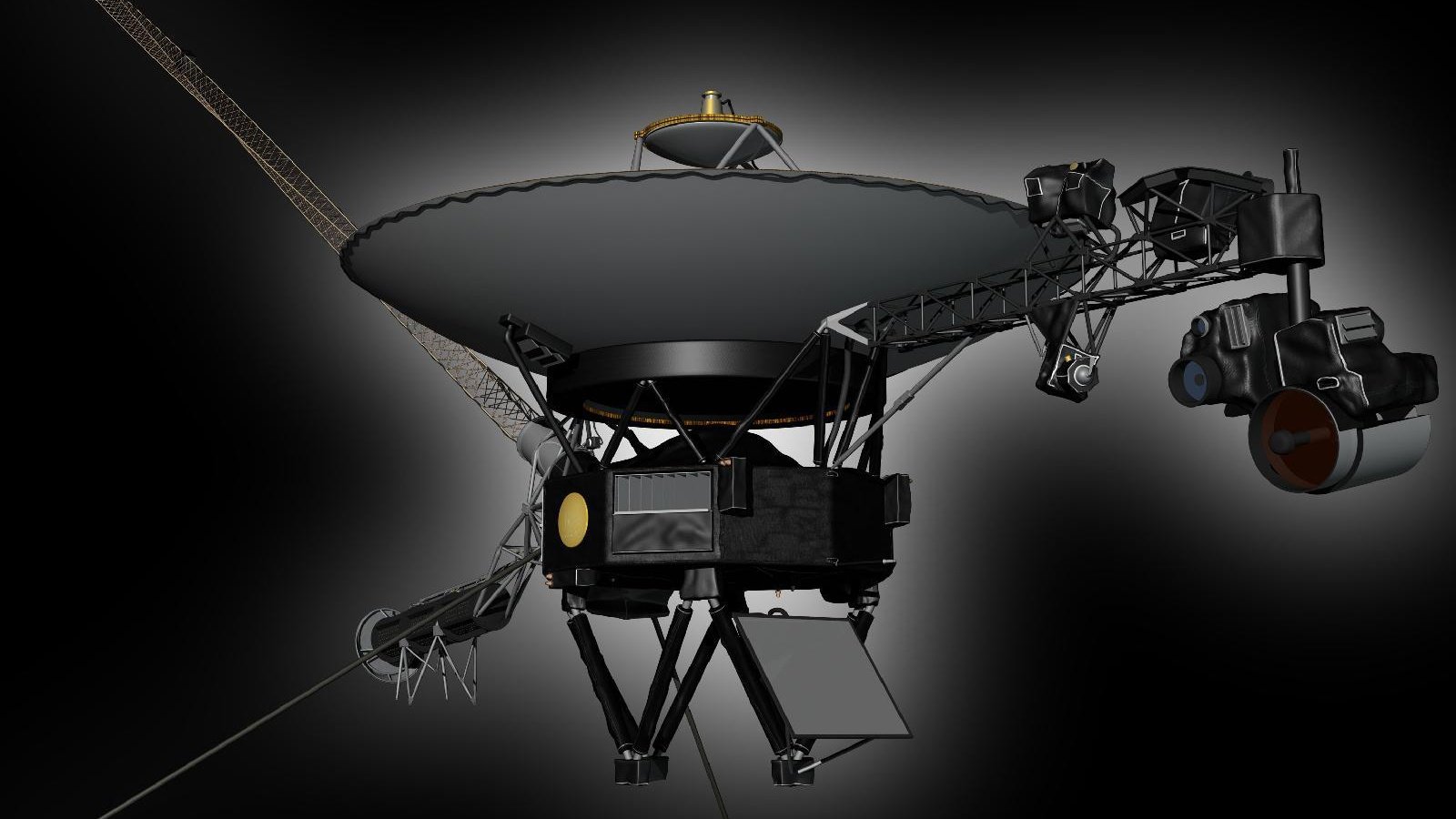
Nasa engineers have successfully implemented a new power-saving upgrade on Voyager 2, extending the iconic spacecraft’s science mission by at least another year as it continues exploring interstellar space nearly five decades after launch.
The US space agency has successfully extended the life of its historic Voyager 2 spacecraft after engineers implemented an ambitious power-saving upgrade known internally as the ‘Big Bang’ fix, allowing the probe to continue collecting scientific data from interstellar space.

Voyager 2, currently about 21.35 billion kilometres (13 billion miles) from Earth, is one of the farthest human-made objects in space. Its twin, Voyager 1, is even farther away at around 25.4 billion kilometres (16 billion miles). Both spacecraft launched in 1977 on missions originally expected to last only five years but have continued operating for nearly half a century.
The spacecraft are powered by radioisotope thermoelectric generators (RTGs), which convert heat from decaying plutonium into electricity. However, the generators lose about 4 watts of power every year, forcing Nasa engineers to gradually switch off instruments and onboard systems to conserve energy.
Nasa’s ‘Big Bang’ fix extends mission
To avoid shutting down another science instrument this year, engineers at Nasa’s Jet Propulsion Laboratory (JPL) developed the ‘Big Bang’ fix, a carefully planned reconfiguration of Voyager 2’s onboard power systems.
The upgrade involved switching off two dedicated heaters and a digital tape recorder that had been retained mainly because it generated heat. At the same time, engineers activated two different heaters and another device that provide sufficient warmth while consuming less electricity.
Following tests conducted in May and June, Nasa sent the final commands to Voyager 2 on July 9. Because the spacecraft is so distant, each command takes nearly 20 hours to reach it, with another 20 hours required for confirmation that it executed successfully.
Story continues below this ad
According to Nasa, the upgrade will allow Voyager 2’s three remaining science instruments to continue operating for at least one additional year, preserving valuable observations from a region of space that no other spacecraft has explored.
“This was a team effort, the culmination of a year of work,” said Kareem Badaruddin, Voyager mission manager at JPL. “Each of us loves these spacecraft… the feeling of realising that we had extended the life of the spacecraft and science return by two years or more was fulfilment and delight.”
The agency also updated Voyager 2’s onboard software so that if the spacecraft enters safe mode after detecting an anomaly, the newly configured low-power systems will automatically remain active.
Voyager 1 could be next
With Voyager 2’s upgrade completed successfully, Nasa now plans to apply a similar fix to Voyager 1.
Story continues below this ad
Engineers have already completed an initial power test on Voyager 1, while a thermal test is scheduled for later this month. If successful, the upgrade could not only extend the spacecraft’s mission but also create enough power to restart its Low-energy Charged Particles experiment, an instrument switched off earlier this year to conserve electricity.
The instrument spent decades measuring charged particles and cosmic rays beyond the heliosphere, helping scientists better understand the boundary between our solar system and interstellar space.
Despite their age, the twin spacecraft continue to send back unique scientific data from a region that remains beyond the reach of any other operational mission. Nasa hopes the latest engineering upgrades will keep both Voyagers functioning for as long as their slowly fading power supplies allow.