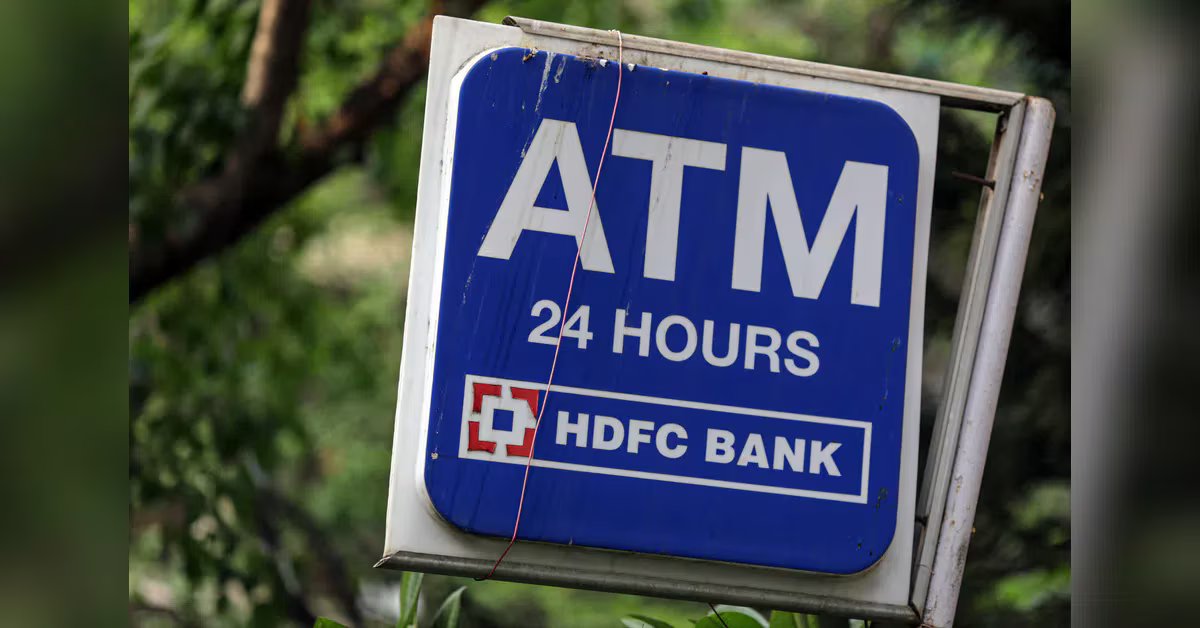
Earlier today, Christopher Wood, global head of equity strategy at Jefferies, in his weekly note GREED & fear, revealed that he has exited HDFC Bank to make way for names like MCX and Lenksart. READ MORE
Foreign investors held a 41.8 per cent stake in HDFC Bank as of the June quarter, shows data available on BSE. Meanwhile, mutual funds owned a 30.6 per cent stake, with retail holding at 10.32 per cent, suggesting that the stock is widely held.
Why are HDFC Bank shares languishing?
1. Post-merger woes
“The problem was compounded on the funding side. HDFC brought a large book of wholesale, non-CASA borrowings, while HDFC Bank’s own CASA (low-cost current and savings account deposit) ratio declined post-merger as the enlarged loan book outgrew cheap deposit accretion. This forced the bank to lean on costlier deposits and borrowings to fund growth, structurally raising the cost of funds,” said Vinit Bolinjkar, head of research at Ventura Securities.
2. Margins under pressure
Since a larger loan book wasn’t translating into proportionately higher net interest income (NII), profitability growth lagged balance sheet growth, a mismatch the market has consistently penalised, Bolinjkar added.
Khushi Mistry, research analyst at Bonanza, said that earnings growth has moderated as management prioritised balance sheet normalisation over aggressive lending, weighing on the counter.
3. Governance overhang
Bolinjkar said that the resignation linked to an internal vigilance probe into certain practices dented investor sentiment sharply, even though the underlying financial impact was limited. “This added to a broader pattern of confidence dents over the years, including the earlier RBI embargo on new card issuances, reinforcing a narrative of execution risk.”
Should you still buy HDFC Bank?
Despite multiple woes, analysts remain bullish on HDFC Bank stock, led by strong asset quality and as merger synergies improve.
Going ahead, the management expects the credit growth momentum to sustain through FY27, led by a revival in retail segments and continued momentum in the small & mid-market segments, said Aggarwal. Additionally, at current valuations, he finds HDFC Bank as an attractive investment.
Disclaimer: Views and outlook shared belong to the respective brokerages/analysts and are not endorsed by Business Standard. Readers’ discretion is advised.