New Delhi:
Heavy rain lashed Delhi-NCR throughout the day on Friday, causing widespread waterlogging and traffic disruptions across several areas, with the India Meteorological Department (IMD) issuing a red alert till 11 pm.
As rain continued to pour through the day, several commuters complained of not being able to book cabs for hours, leaving them stuck in office.
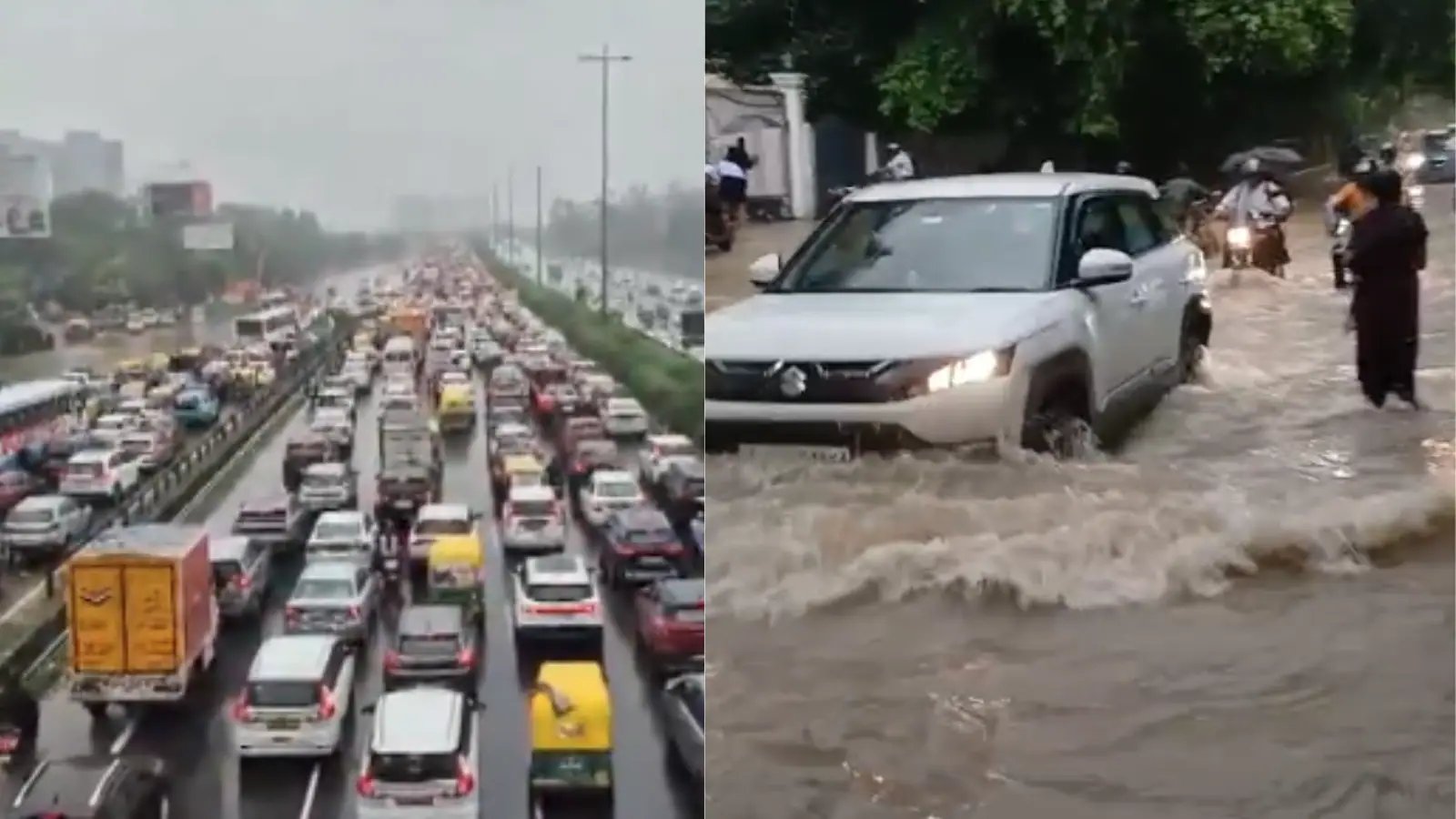
Those who were able to leave for their home were stuck on the road as traffic congestion was reported from several important routes across Delhi, including Mehrauli-Badarpur Road, Wazirabad Road, Patel Road, Rohtak Road, Shankar Road, the Kirti Nagar stretch, the Delhi-Jaipur Highway, Peeragarhi, and Shaheen Bagh.
#WATCH | Uttar Pradesh: Slow traffic movement on Noida–Greater Noida Expressway, following heavy rainfall in the Delhi-NCR. pic.twitter.com/8k0BrUf4qK
— ANI (@ANI) August 7, 2026
Continuous rainfall led to waterlogging in Delhi’s Chhatarpur Farm area and at Mehram Nagar near Terminal 1, disrupting traffic movement and causing water accumulation on the road.
#WATCH | Delhi: Severe waterlogging as Delhi-NCR receives heavy rainfall; visuals from Chhatarpur area pic.twitter.com/YtfOLgefT7
— ANI (@ANI) August 7, 2026
Visuals from National Highway 48 (Delhi-Jaipur Highway) near Shankar Vihar showed vehicles stuck in long queues. The road from Gurugram to Dhaula Kuan also experienced a traffic jam stretching several kilometres due to persistent rainfall.
#WATCH | Delhi: Heavy waterlogging in Sangam Vihar area, following heavy rainfall. pic.twitter.com/cXzX4tzejU
— ANI (@ANI) August 7, 2026
Heavy congestion was also reported on the Noida-Greater Noida Expressway.
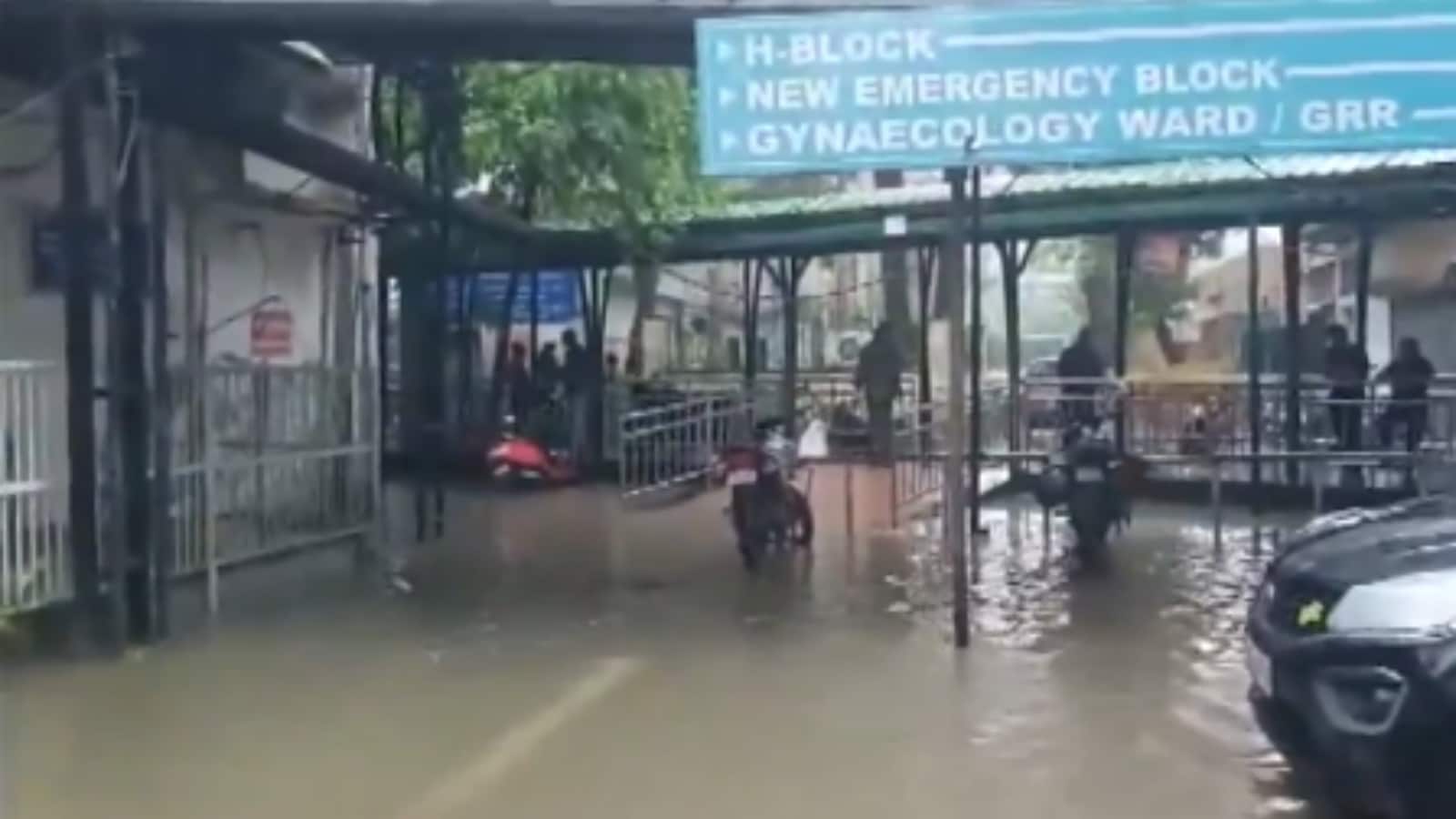
Waterlogging outside Safdarjung Hospital.
Photo Credit: ANI
In East Delhi’s Shakarpur and neighbouring Mandawali, e-rickshaw drivers said overflowing drains, submerged potholes and waterlogged roads had led to accidents and hurt their livelihoods.
“There are many difficulties. Potholes get submerged and sewer pits cannot be seen. At least three or four vehicles have overturned today, including e-rickshaws, scooters and motorcycles,” an e-rickshaw driver told news agency PTI.
#WATCH | Several areas in Delhi waterlogged following heavy rainfall. Visuals from Kapashera border area. pic.twitter.com/UWSlzKiUge
— ANI (@ANI) August 7, 2026
According to the IMD, the ongoing spell of heavy rainfall is being driven by a rare combination of multiple weather systems active over northern India. IMD warned that intense monsoon showers could continue to cause waterlogging, traffic disruptions and localised flooding, particularly in low-lying areas.