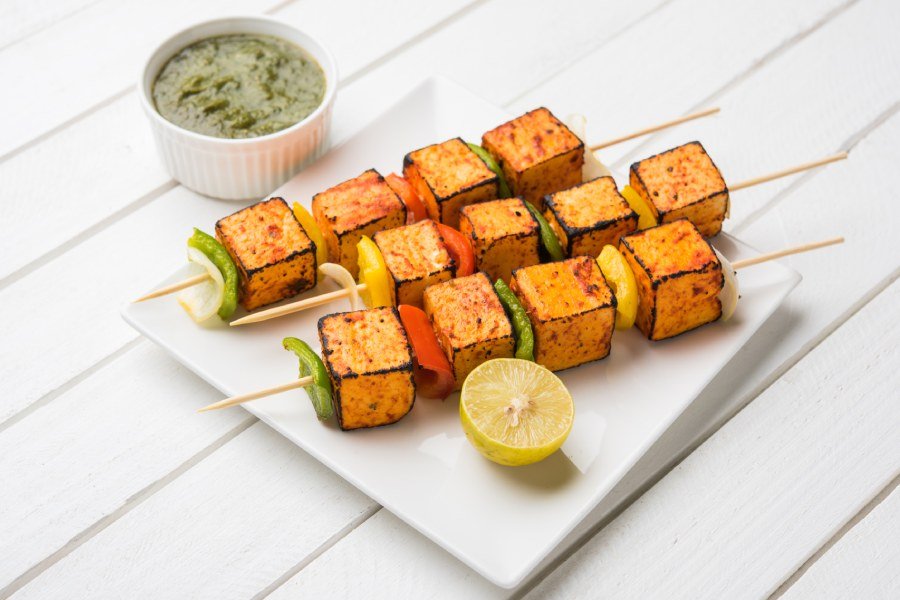
Ordering paneer tikka tonight? You might want to take a closer look at what makes it to your plate in the guise of paneer. Analogue paneer has been sneaking into food menus due to its low cost. But now, it has been banned by three states.
After Chhattisgarh, Maharashtra and Gujarat banned the manufacture, sale, storage, transport and distribution of unstandardised analogue paneer. According to the Food and Drug Administration of the states, the crackdown followed inspections that found several hotels, restaurants and caterers serving analogue paneer in place of real paneer, without mentioning the substitution anywhere on the menu, the invoice or the display board.
As regulators tighten the net on the substitute paneer, My Kolkata asked experts the most-asked questions now: What is analogue paneer, and how do you actually tell the difference?
What analogue paneer really is
Analogue, or synthetic paneer, is not close to the real paneer at all. While real paneer comes from milk fat, made by curdling milk into chhena and pressing out the water until it sets, the analogue version swaps that process for vegetable oils, starches, emulsifiers and other additives. It is sometimes combined with skimmed milk and casein and is manufactured in a factory rather than a dairy.
Rohit Raj Ghosh, fifth-generation owner of Kolkata’s iconic sweet shop Dwarik and Grandsons, explains the distinction plainly.
He says, “Analogue paneer, when cooked, turns rubbery and does not break down easily in the mouth, unlike traditional sweet-shop paneer, which stays soft even after a long simmer in curry.”
He also points out that this rubbery texture, so common in restaurant paneer dishes, is usually the clearest indication. Because it has a lower production cost, it has found its way into supply chains across metro cities. He also said, “Some restaurants have already taken a public stand against it, including Gauri Khan’s Mumbai restaurant, which stopped using artificial paneer after reports surfaced, while regulators including the FSSAI have been trying to keep tabs on its spread in Kolkata too.”
The tests you can do yourself
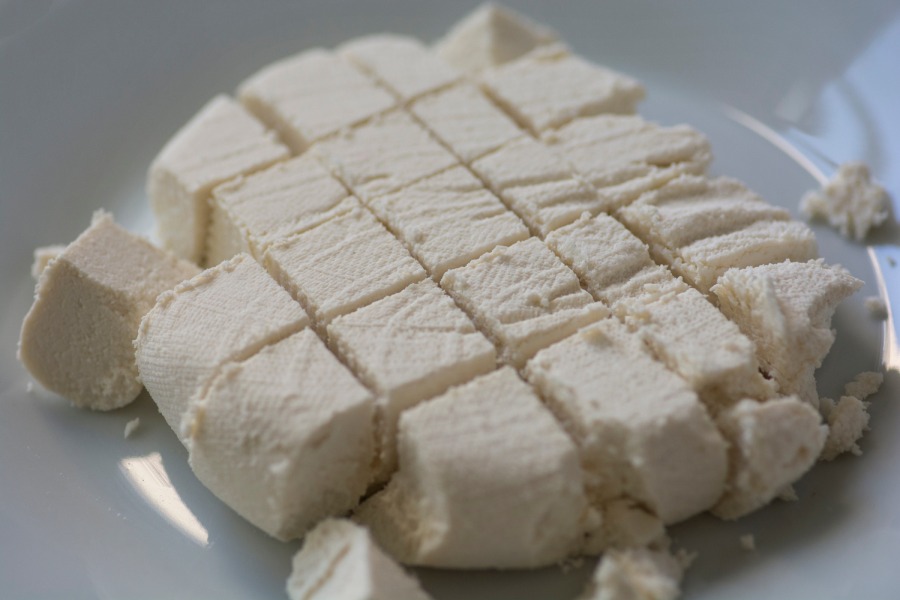
Experts’ advice for the everyday shopper is to buy from sources they trust and look for the FSSAI label
Chef Pratap Jha, who has also been an educator at a reputed hospitality management institute, lays out a set of simple checks that do not need a lab.
To identify whether the paneer you brought home to cook, he suggests starting with a squeeze.
“A real piece of paneer crumbles softly when pressed between the fingers, while the fake version feels rubbery and springs back like a sponge.” This is a sign of starch or gluten in the mix. “Smell it next. Genuine paneer carries a mild, faintly sweet milkiness, whereas synthetic versions tend to be oddly odourless or carry a chemical or plastic-like note,” he said. The colour matters too, as the dairy paneer should look slightly off-white or creamy, while the fake one will be unnaturally bright. This is a sign of industrial whitening agents.
For those willing to go a step further, chef Jha suggests two home tests.
“Boil a cube, let it cool, and add a few drops of iodine or Betadine. A shift to dark blue or purple points to starch or potato flour in the paneer. Alternatively, boil a sample, drop it into a bowl of clean water with a spoon of raw arhar dal powder, and let it sit for ten minutes. If the water turns light red or deep yellow, it suggests the presence of substances such as detergent.”
The last check is heat, he said, “Place a piece on a dry pan or over an open flame. Real paneer softens evenly and gives off a pleasant milky smell, while the synthetic version tends to melt unevenly, leak excess oil or catch fire while giving off a plastic-like odour.”
His advice for the everyday shopper is to buy from sources they trust and look for the FSSAI label before anything goes into the basket.
Health concerns associated with fake paneer
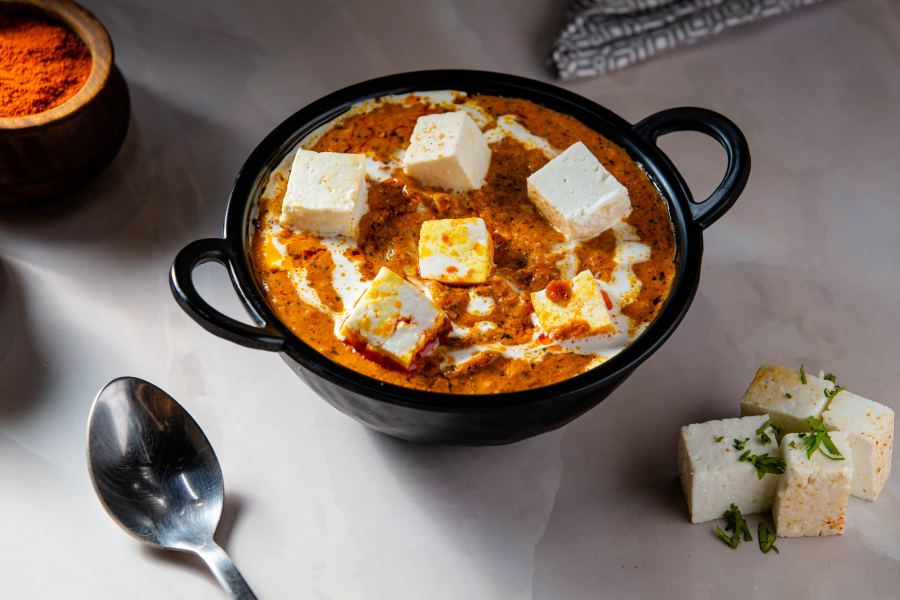
Analogue paneer falls well short of real paneer’s value as a source of high-quality protein and calcium
Sraboni Mukherjee, chief dietitian at Fortis Hospital Anandapur, frames the concern in nutritional terms.
Analogue paneer falls well short of real paneer’s value as a source of high-quality protein and calcium.
“A particular worry is the use of hydrogenated vegetable oils, a source of trans fats that can raise LDL cholesterol and, over time, add to the risk of heart disease, atherosclerosis and stroke. The starch and emulsifiers can also cause digestive trouble, since fermenting starch in the gut can lead to bloating, acidity and general discomfort,” said Mukherjee.
Taken together with its additives and preservatives, she considers analogue paneer a highly processed food rather than a genuine protein source, and recommends that consumers stick to fresh, milk-based paneer wherever they can, especially given how much more visible it has become in urban markets, including in Kolkata.
Equinox Labs, a NABL-accredited food testing service for quality and safety compliance, has also weighed in on the regulatory angle.
Ashwin Bhadri, founder and CEO of Equinox Labs, said, “The ban reflects a broader shift in how food safety should be understood. A product may satisfy laboratory parameters, but if it is incorrectly represented at the point of sale, consumer confidence is compromised long before quality questions arise.”