Standoff remains over Hormuz
The crisis centres on control and free navigation of the Strait of Hormuz, through which a significant portion of the world’s oil and LNG shipments normally pass.
Tensions have involved US naval actions, Iranian responses, intermittent blockades or restrictions, and repeated attempts at mediated agreements involving Gulf states, Oman, and others.
Trump previously indicated he paused what he described as a major planned strike after outreach from regional allies including Saudi Arabia, the UAE, and Qatar, as well as signals related to a possible deal on the strait and broader issues.
Iran has disputed aspects of the US narrative and maintained its positions on navigation and sovereignty.
Oil markets have reacted to the diplomatic pause, with prices easing at times on hopes of de-escalation, though volatility remains high.
Key updates as of August 3
-
US-Iran talks to resume Monday: Trump stated negotiations would begin Monday afternoon. He declined to set a firm deadline and reiterated a preference for diplomacy, saying in remarks to reporters on board Air Force One that he would rather make a deal and is “not looking to kill people.”
-
Tanker incident off Oman: The UK Maritime Trade Operations (UKMTO) reported a blast or explosion hit a tanker off Oman. Crews were reported safe in the incident referenced in current coverage.
-
Shipping disruptions: Reports indicate dozens of vessels (including references to around 35 in some updates) have been forced to turn back or alter courses amid US naval measures and heightened risks in the area.
-
Iran’s position on a Hormuz deal: Iranian sources and state media have rejected or disputed claims of accepting a US-backed deal to fully reopen the strait on the terms described by Washington, with navigation remaining under tight control or coordination requirements according to Tehran.
-
Regional diplomacy: Saudi Crown Prince Mohammed bin Salman spoke with Trump, stressing dialogue, de-escalation, and efforts to prevent a wider conflict.
-
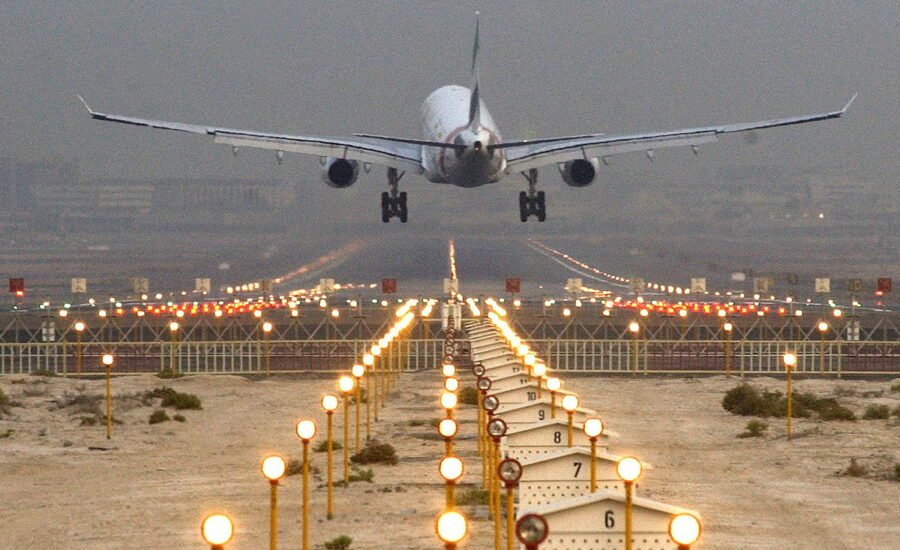
UAE aviation impacts: Airlines continue to issue updates on schedules, cancellations, and route adjustments. Several international carriers have suspended or limited services to Gulf destinations for varying periods due to regional security concerns. UAE-based carriers and airports have advised passengers to check statuses closely.
What to know today
Travel and flights: Check your airline’s app or website and the relevant airport (Dubai, Abu Dhabi, Sharjah) for real-time updates before heading to the airport. Allow extra time: UAE airports advise passengers to arrive early. Arrive at least three hours before departure.
Some routes to nearby destinations have faced cancellations or delays; international carriers serving the UAE have extended suspensions in certain cases.
Rely on official airline and GCAA/airport communications rather than social media rumors.
Maritime and energy outlook: The strait’s status affects global shipping and energy prices, which can influence fuel costs and supply chains in the UAE. Monitor official guidance if you work in logistics, shipping, or energy-related sectors.
Personal safety and preparedness: Residents should stay informed via official UAE channels (government media, National Emergency Crisis and Disaster Management Authority). Avoid unnecessary travel to high-risk maritime zones and follow any civil defense or travel advisories.
-
Verify flight status multiple times on the day of travel.
-
Keep digital and physical copies of travel documents.
-
Monitor fuel prices and essential supplies only through official or reputable sources to avoid panic buying.
-
Follow verified accounts from UAE authorities and major airlines for the most accurate information.
Diplomatic talks scheduled for Monday offer a potential path toward reducing tensions, but maritime incidents and competing claims mean the situation remains fluid.
UAE residents are best served by staying calm, relying on official updates, and preparing for possible continued travel and economic ripple effects while regional mediators and direct negotiations proceed.