
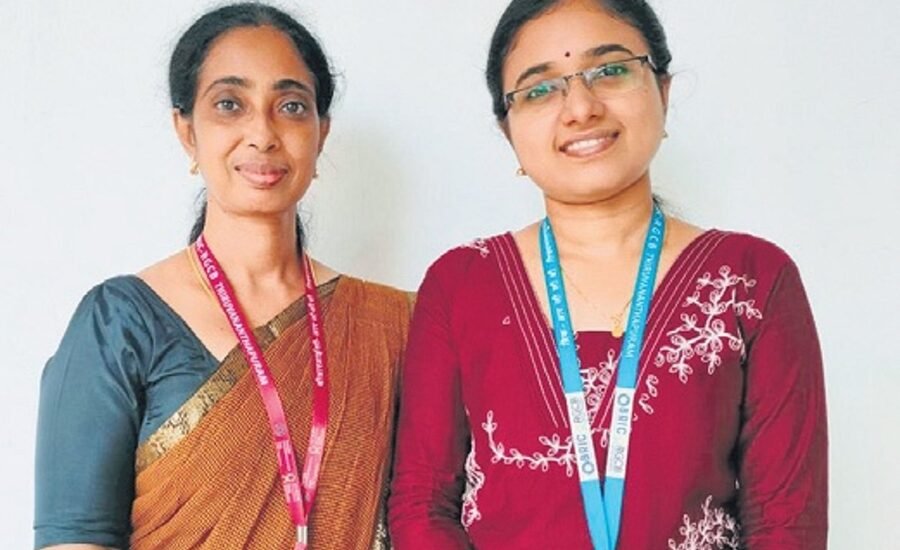
THIRUVANANTHAPURAM: In a crucial breakthrough in the fight against cancer recurrence, scientists at the BRIC-Rajiv Gandhi Centre for Biotechnology (RGCB), here, are designing new drugs to block sleeping cancer cells from waking up.
Cancer often returns after successful treatment, and the returning tumour is usually far more aggressive.
While initial treatments kill most cancer cells, a few can slip into a dormant state. These sleeping cells eventually transform into aggressive cancer stem cells, triggering a relapse.
The RGCB team discovered that an unusual interaction between two specific proteins, EPHA2 and Ephrin-B1, acts as the exact trigger waking up these cells. Dr Beena Pillai, director of BRIC-RGCB, noted, “The unusual interaction between EPHA2 and Ephrin-B1 may disrupt cellular balance, creating opportunities for new treatments that target this interaction.
We are currently designing drugs to prevent this unusual protein interaction. By blocking this communication, we aim to stop dormant cancer cells from reawakening and becoming dangerous again.”
The research, led by Dr Tessy Thomas Maliekal and published in the peer-reviewed journal ‘Cell Communication and Signaling’, reveals a novel reverse-signalling mechanism within the Eph-Ephrin pathway, identifying Ephrin-B1 as an oncogenic ligand in cancer stem cells — a mechanism distinct from normal stem cell signalling that could serve as a therapeutic target for preventing oral cancer recurrence.
Although the study primarily focused on oral cancer, the researchers found that similar mechanisms may also be present in other cancer types as well as in normal stem cell systems.