The ChromaSense pulse oximeter aims to eliminate skin tone bias by using reflective light technology to provide accurate oxygen saturation readings across diverse patient populations.
RT’s Three Key Takeaways:
- Skin Tone Bias Mitigation: The ChromaSense device adjusts light emission and signal-processing parameters based on a patient’s unique skin reflectance profile to ensure accurate readings.
- Clinical Accuracy Standards: In testing under hypoxic conditions, the prototype maintained an oxygen-saturation accuracy within 2.87%, meeting performance requirements set by the FDA.
- Expanded Diagnostic Potential: Researchers are working to integrate machine-learning models into the wearable device to enable accurate, cuffless blood pressure monitoring for diverse patient populations.
A prototype pulse oximeter called ChromaSense is designed to provide accurate blood oxygen saturation levels regardless of a patient’s skin tone, age, or blood flow, according to researchers from Tufts University.
The technology aims to address long-standing inaccuracies in traditional pulse oximetry. A 2020 New England Journal of Medicine study found that Black patients were three times more likely than white patients to have occult hypoxemia—dangerously low arterial oxygen—that went undetected by standard pulse oximeters. These errors can lead to significant clinical delays in providing oxygen, hospitalization, or intensive care.
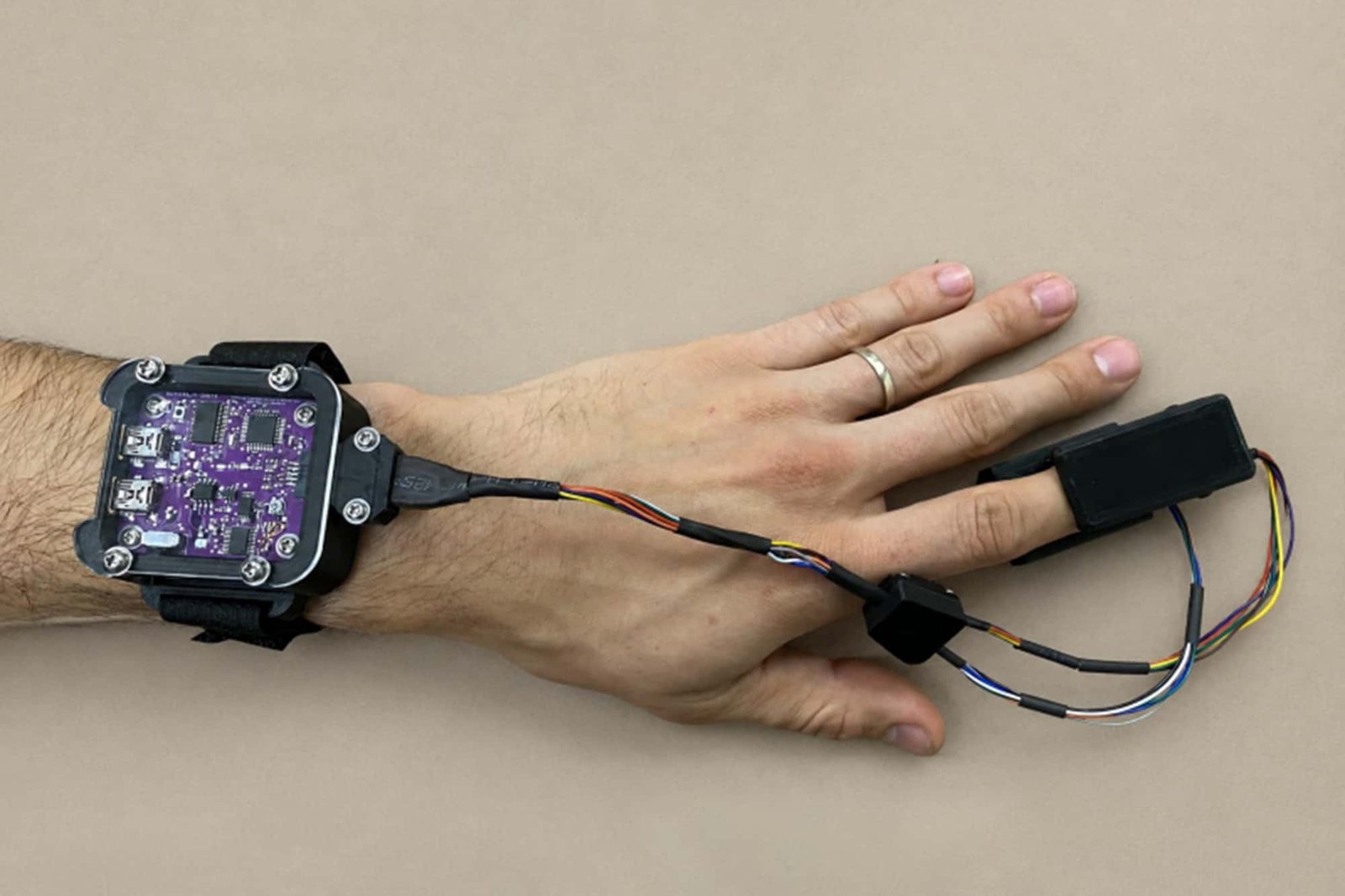
The new system, developed in the lab of Valencia Koomson, associate professor of electrical and computer engineering, uses a wrist-worn device rather than the traditional finger clip. While most devices measure light transmitted through the finger, ChromaSense measures reflected light from the skin and tissue. The device first assesses a person’s skin reflectance profile and then automatically adjusts the level of light emitted and the signal-processing parameters used to calculate results.
In a study conducted at the Hypoxia Research Laboratory at the University of California, San Francisco, the device was tested on healthy adult volunteers of Black, Asian, Hispanic, white, and multiethnic backgrounds. During the study, oxygen levels were lowered across a 70% to 100% saturation range and compared against a reference oximeter that reads directly from the blood.
The ChromaSense oxygen-saturation measurement accuracy was within 2.87% of the reference oximeter, which meets performance requirements for the FDA. Researchers reported no observable tone-dependent bias, even at lower oxygen levels.
The device utilizes photoplethysmography (PPG), a light-based technology that tracks blood volume changes in the microvasculature with every heartbeat. While melanin in darker skin can absorb and scatter light—potentially weakening signals in standard monitors—the ChromaSense system is designed to account for these variations.
“The data picked up by PPG is ‘really a measure of how well your heart is actually pumping blood through your arteries to your extremities and back,’” said Valencia Koomson, associate professor of electrical and computer engineering at Tufts University. “The spacing between peaks gives heart rate, light absorption and reflection give oxygen levels, and a slower pattern of changes in pulse amplitude and frequency indicates breathing rate.”
The research team is also working to incorporate blood pressure monitoring into the device. By using machine-learning models to analyze PPG waveforms from 2,315 adult ICU patients, the team reported up to 90% accuracy for systolic and diastolic blood pressure across different races, genders, and ages.
“If you train a model that converts light signals to blood oxygen, pulse or pressure and you don’t ensure that the dataset that you’re training with is diverse enough in terms of age, race, and gender, it can affect the performance or accuracy of the model,” said Koomson, in a news release. “An apparently high-performing model can look far less impressive once broken down into specific groups.”
Image: A prototype of the ChromaSense pulse oximeter, which can read accurate blood oxygen saturation levels regardless of skin tone, age, and other factors that often introduce errors in many devices used in clinics today. Credit: Valencia Koomson, Tufts University