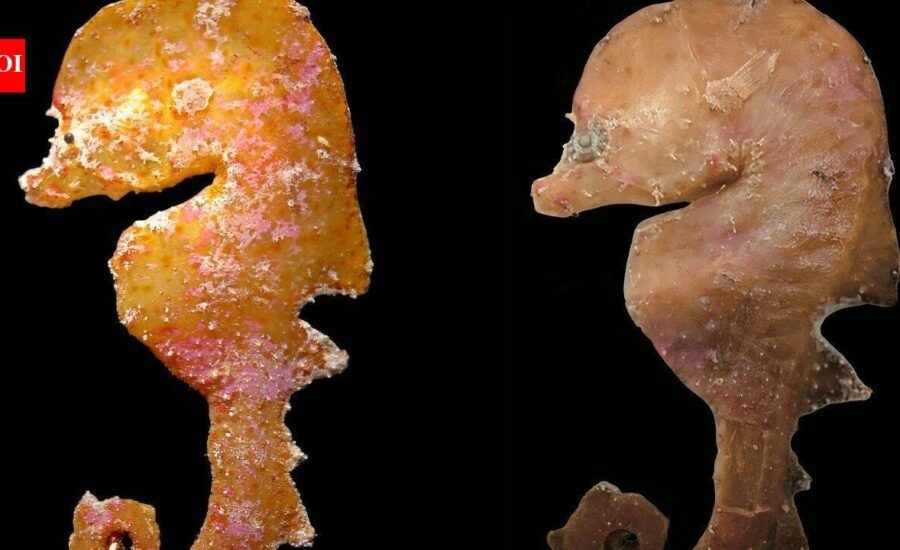
Some discoveries happen the moment a specimen is collected. Others take years. In this case, it took nearly two decades.A tiny deep-reef fish brought up from the waters off South Australia in 2006 spent nearly two decades in a museum collection after being mistaken for a known species. According to a study published in the Journal of Lost Species, researchers recently took a fresh look at the specimen and realised it was something entirely different, a species that had never before been described. The finding is a reminder that museum collections can still hold remarkable discoveries even years after fieldwork has ended.
A specimen hidden in plain sight
When the fish was originally discovered during a deep water expedition, it seemed rather unremarkable. Like so many other samples found on such a trip, it was catalogued and added to the museum’s collection.However, because the fish appeared to be similar to a known species, it was not really given a second thought and stored away for years before further examination. It wasn’t until the specimen was studied again during a more extensive taxonomic investigation that something seemed out of place.A closer examination revealed several physical features that set the fish apart from its supposed relatives. Those differences were consistent enough to show that the specimen had been misidentified all along. After detailed comparisons with other species, scientists confirmed they were looking at an entirely new species that had gone unnoticed for almost 20 years.
Why deep-reef species are difficult to discover
Discovering new species in deep reefs is rarely easy. These underwater habitats lie well below the depths reached by recreational divers, making exploration difficult and expensive. Scientists often rely on specialised research vessels and equipment to collect specimens from these remote environments.Even after specimens are brought to the surface, identifying them can be far from straightforward. Many deep-water fishes are only a few centimetres long and can look remarkably similar to one another. In many cases, the differences are so subtle that they only become apparent after careful study of their anatomy.That’s one reason museum collections remain so important. As scientists continue to study preserved specimens with fresh perspectives and improved knowledge, they sometimes uncover species that had been overlooked the first time around.
Museums continue to reveal undiscovered biodiversity
For most visitors, museums are places to see fossils, skeletons or preserved animals on display. Behind the scenes, however, they house vast scientific collections that researchers around the world use. These collections preserve specimens gathered over decades, creating an invaluable record of Earth’s biodiversity. They allow scientists to compare species, study how wildlife has changed over time and revisit earlier identifications whenever new questions arise.The newly recognised deep-reef fish is a perfect example of why these collections matter. Although the specimen had been sitting on a shelf for years, it still had a story to tell. All it needed was someone to look at it again.
The importance of taxonomy
Giving a species a name is only one part of taxonomy. The real goal is to understand how different organisms are related and to accurately document the diversity of life. When a species is formally recognised, researchers can begin learning more about where it lives, how it survives and whether it faces threats in the wild. Without that first step, it becomes much harder to include the species in biodiversity surveys or conservation planning.Australia is home to an extraordinary variety of marine life, particularly in its southern waters. Yet findings like this suggest there is still much to discover, especially in deep-sea habitats that scientists have only begun to explore in detail.
A reminder that many species remain undiscovered
It’s easy to imagine new species being found only in remote rainforests or unexplored parts of the ocean. But sometimes, they are much closer than anyone expects.In this case, the discovery didn’t begin with a new expedition. It began with a museum specimen that had quietly sat in storage since 2006. By taking a second look, researchers uncovered a species that had been hiding in plain sight for nearly two decades.The finding serves as a reminder that museum collections are far more than archives of the past. They remain active scientific resources, and with millions of preserved specimens around the world still waiting to be studied, there is every chance that more undiscovered species are already sitting on shelves, waiting for someone to recognise them.