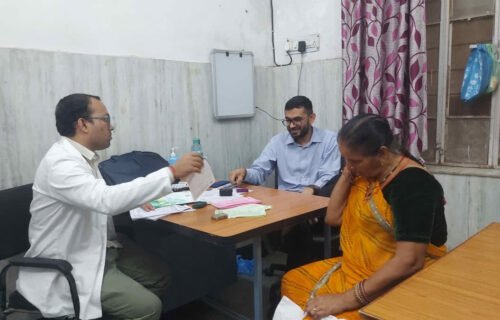

Hyderabad: Climate change is no longer a distant environmental concern – it’s an unfolding public health crisis. Doctors say rising temperatures, erratic rainfall and shifting weather patterns are extending the breeding season for mosquitoes, causing diseases such as dengue and chikungunya to spread well beyond the monsoon.Telangana’s numbers reflect this changing reality. According to data tabled in the Rajya Sabha, dengue cases increased from 601 in 2023 to 1,078 in 2024, while chikungunya cases surged from 251 in 2023 to 1,382 in 2025, pointing to a growing climate-driven disease burden.Additionally, cases of leptospirosis (a bacterial disease spread through water or soil contaminated with the urine of infected animals) surged from just two cases in 2023 to 249 in 2025 – about 125-fold times more – over two years.The burden of other critical ailments is surging too— climate change is worsening air pollution, fuelling strokes, heart disease and diabetes—already affecting nearly one in four Telangana adults, according to ICMR. It also affects the heart, kidneys and lungs, while rising temperatures increase the risk of food-borne diseases.Air pollution fuelling stroke, diabetesThe city has seen a worrying rise in strokes among adults aged 18 to 45 years, with neurologists identifying worsening air quality as an emerging risk factor alongside hypertension, diabetes and smoking. Hospitals are reportedly treating eight to 10 young stroke patients every week.“Air pollution is no longer just a respiratory hazard; it is silently damaging blood vessels,” said Dr Dinesh Kumar, neurologist at Gandhi Hospital. “Fine particulate matter triggers chronic inflammation and oxidative stress, increasing the risk of diabetes, hypertension and abnormal blood clotting, ultimately leading to stroke and heart disease.”Doctors say rising temperatures, prolonged dry spells and stagnant weather conditions linked to climate change are worsening air pollution and increasing health risks. A 2025 Lancet study associated long-term exposure to polluted air with a higher risk of stroke, diabetes and hypertension. ICMR estimates indicate that nearly one in four adults in Hyderabad has diabetes, while Telangana is among the states with the highest prevalence.“Polluted air raises the risk of diabetes and hypertension, both major stroke risk factors. Indoor pollution from LPG combustion, poor ventilation and biomass fuels also adds to the burden,” said Dr Sudhir Kumar, senior neurologist.Heat silently strains heart, kidneys, lungsProlonged exposure to extreme temperatures is damaging multiple organs, doctors warm. “Between April and June this year, we treated 50 to 60 patients every month with severe dehydration, electrolyte imbalance, worsening heart failure and heat-triggered cardiac events,” said Dr Syed Imamuddin, head of cardiology at Osmania General Hospital. Nephrologists say repeated dehydration is driving chronic kidney disease, particularly among outdoor workers. “Years of working in extreme heat with poor hydration gradually cause irreversible kidney damage,” said Dr Sree Bhushan Raju, head of nephrology at NIMS. Rising temperatures are also increasing ground-level ozone, aggravating asthma and COPD. “Heat makes the air more toxic to breathe, leading to more respiratory emergencies,” said pulmonologist Dr Keshavan V from Apollo Hospitals, Hyderguda.Rise in infectious diseasesThe World Health Organisation (WHO) has repeatedly issued warnings about rising temperatures and erratic rainfall expanding mosquito habitats, prolonging breeding seasons and increasing outbreak risks.In Telangana, dengue has remained consistently high while chikungunya cases have risen sharply. Around 500-600 patients visit Govt Fever Hospital, Nallakuntla every month, many with these infections.Dr Naga Dhana Snigdha Komman, general physician, said warmer temperatures accelerate mosquito breeding and virus replication, while intermittent rains create ideal breeding conditions. “As a result, dengue and chikungunya are no longer confined to one season. We are seeing more patients with high fever, severe body aches and prolonged fatigue,” he added.SolutionsAdopt year-round Heat-Health Action PlanMove beyond seasonal heatwave response by adopting the WHO’s Heat-Health Action Plan (HHAP). Establish heat-health early warning systems, identify and map vulnerable populations, strengthen hospital preparedness, expand disease surveillance, and institutionalise coordination among health, disaster management, urban development and meteorological agencies.Strengthen community-level preparednessEquip ASHA and ANM workers to identify and regularly monitor high-risk individuals, including the elderly, pregnant women, children and outdoor workers. Issue hyperlocal heat alerts through SMS, WhatsApp and local volunteers, integrate weather forecasts with public health interventions, record all heat-related illnesses—not just heatstroke—and incorporate heat-risk assessment into routine antenatal and primary healthcare services.Prioritise preventive healthcarePromote hydration as a public health intervention by encouraging adequate water intake, early use of ORS and electrolyte-rich fluids during prolonged heat exposure. Advise people to consume water-rich fruits and light meals, avoid stale or improperly stored food that spoils faster in high temperatures, and minimise outdoor activity during peak afternoon hours. Doctors should also review medications for elderly people and patients with heart, kidney and other chronic diseases, as several commonly prescribed drugs can impair the body’s ability to regulate heat.