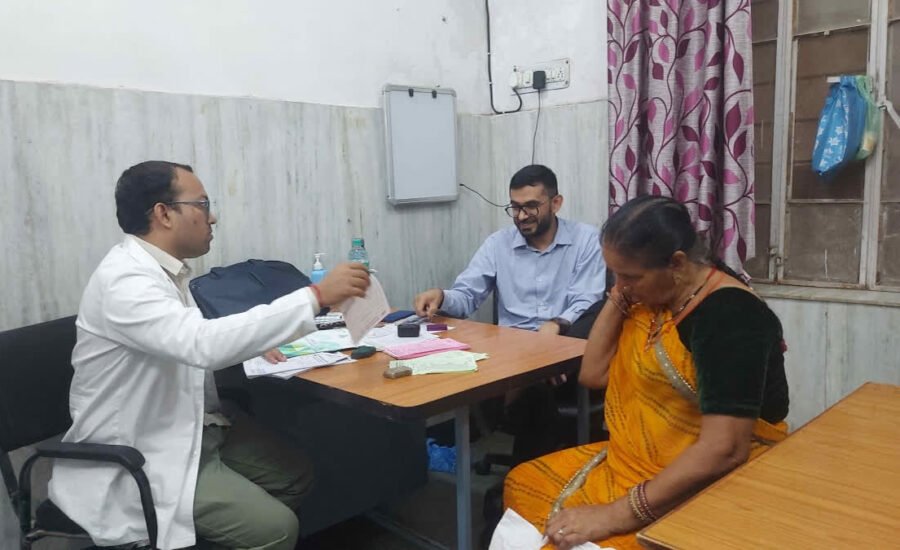
A doctor checking a patient at a hospital in Udaipur (Etv Bharat)
Udaipur: Bone and joint problems, once considered ailments associated with old age, are now affecting young adults. Reason? Sedentary lifestyles, prolonged screen time, poor eating habits, obesity, and deficiencies of vitamin D and calcium.
India observes National Bone and Joint Day every year on August 4 to raise awareness about bone and joint health. The day was launched by the Indian Orthopaedic Association (IOA) in 2012 to encourage early detection and prevention of musculoskeletal disorders.
Speaking to ETV Bharat on the occasion, Dr Vishnu Pratap Chauhan, an orthopaedic specialist at Maharana Bhupal Hospital in Udaipur, said the number of young patients suffering from bone and joint-related disorders has increased over the past few years.
“Earlier, these problems were mostly seen in people aged between 50 and 60 years. Now, patients in the 25–35 age group are frequently reporting back pain, neck pain, knee pain, and joint stiffness,” he said.
Dr Chauhan attributed the rise in cases primarily to modern lifestyle habits. Spending long hours sitting in one place, excessive use of mobile phones and computers, lack of physical activity, frequent consumption of junk food, and limited exposure to sunlight are weakening bones and muscles, he explained.
These habits often lead to vitamin D and calcium deficiencies, which reduce bone strength and increase stress on the joints, which makes young adults more vulnerable to musculoskeletal disorders.
The orthopaedic specialist stressed the importance of a balanced diet to maintain healthy bones. He recommended including milk, curd, paneer, green leafy vegetables, pulses, sesame seeds, soybeans, and other calcium-rich foods in daily meals.
He also spoke about the role of morning sunlight in helping the body naturally produce vitamin D. Individuals diagnosed with vitamin D or calcium deficiency should take supplements only after consulting a doctor, he advised.
According to Dr Chauhan, regular physical activity is the most effective way to keep bones and joints healthy. He recommended at least 30 minutes of walking daily, along with light jogging, stretching, yoga, and muscle-strengthening exercises.
People who work at desks for long hours should get up and move around every 30 to 40 minutes to reduce continuous pressure on the spine and joints.
Dr Chauhan advised staying away from prolonged use of painkillers without medical advice. He said persistent back pain, swollen knees, joint stiffness, or difficulty in walking should never be ignored. “Timely consultation with a specialist and early diagnosis can prevent serious complications,” he said.
The doctor also said that obesity is a major contributor to joint diseases. Excess body weight places additional stress on the knees and spine, which increases the risk of osteoarthritis and other joint disorders.
Maintaining a healthy body weight is therefore essential for preserving bone and joint health, he added.
Read More: