
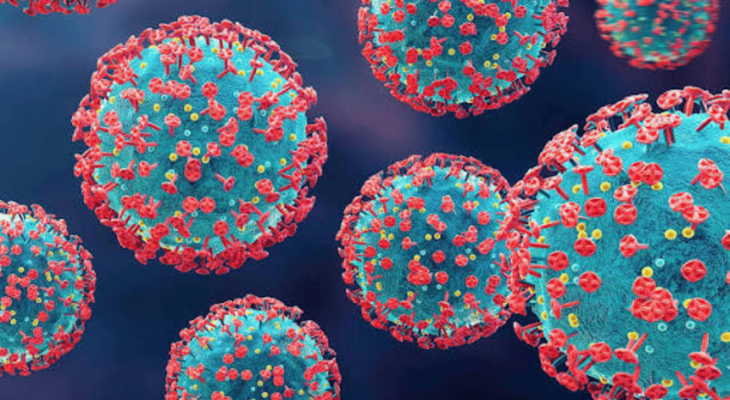
The Centre has deployed a National Joint Outbreak Response Team (NJORT) to Gujarat and Rajasthan to strengthen surveillance and containment efforts amid the ongoing Chandipura virus (CHPV) outbreak. The move comes as multiple national research institutions intensify scientific investigations into the virus’ transmission, clinical behaviour and epidemiology, while enhancing evidence-based public health interventions.
The multidisciplinary team, comprising experts from the National Centre for Disease Control (NCDC), Indian Council of Medical Research (ICMR) and the Department of Animal Husbandry and Dairying (DAHD), will support state governments in outbreak investigation, epidemiological assessment, laboratory coordination, vector surveillance and clinical management. The NCDC’s Public Health Emergency Operations Centre (PHEOC) has also been activated to coordinate the response.
Multi-Agency Probe Intensifies
The Centre has launched one of its most comprehensive scientific investigations into Chandipura virus, bringing together experts from ICMR’s National Institute of Epidemiology, National Institute of Vector Control Research, National Institute of Virology and National Institute for Pre-Clinical Research, along with the ICAR-National Institute of Veterinary Epidemiology and Disease Informatics. The institutions are working with the Gujarat Health Department to study the virus’ transmission patterns, disease severity and possible treatment approaches.
As part of the investigation, health authorities have intensified surveillance of Acute Febrile Illness (AFI) and Acute Encephalitis Syndrome (AES) cases across affected districts. Community-based serosurveys are also underway to estimate asymptomatic infections and determine the actual extent of virus transmission. Simultaneously, laboratories are working to strengthen diagnostic assays and develop improved animal models to better understand the disease.
A major focus of the investigation is identifying the transmission cycle of the virus. While sandflies remain the established vector, scientists are examining whether mosquitoes, ticks and mites could also play a role. Large numbers of vector samples collected from affected areas are currently undergoing laboratory analysis, with officials stating that no conclusions will be drawn until scientific investigations are completed.
Animal surveillance has also been expanded under the Centre’s One Health approach. Blood samples from cattle, buffaloes and goats, along with milk samples, are being analysed to determine whether domestic animals may act as reservoirs for the virus. Around 70 animal blood samples have been collected so far for Chandipura virus and related pathogen testing.
Researchers are also conducting whole-genome sequencing of virus samples at the Gujarat Biotechnology Research Centre (GBRC) to determine whether the current strain has undergone genetic changes. Preliminary findings have identified minor genetic variations, although experts say detailed comparative studies are needed before linking them to previous outbreaks.
The investigations are further supported by India’s Hospital-based Acute Encephalitis Syndrome Surveillance Network, spanning 15 tertiary care hospitals, which is generating epidemiological and laboratory evidence to strengthen outbreak detection and guide public health action.