Record-breaking temperatures in Slovakia and Austria as Italy places all of its 27 major cities on highest heat alert.

Published On 7 Aug 2026
Central Europe has seen record-breaking temperatures amid a sweltering heatwave, as energy and transport systems across the continent face disruption.
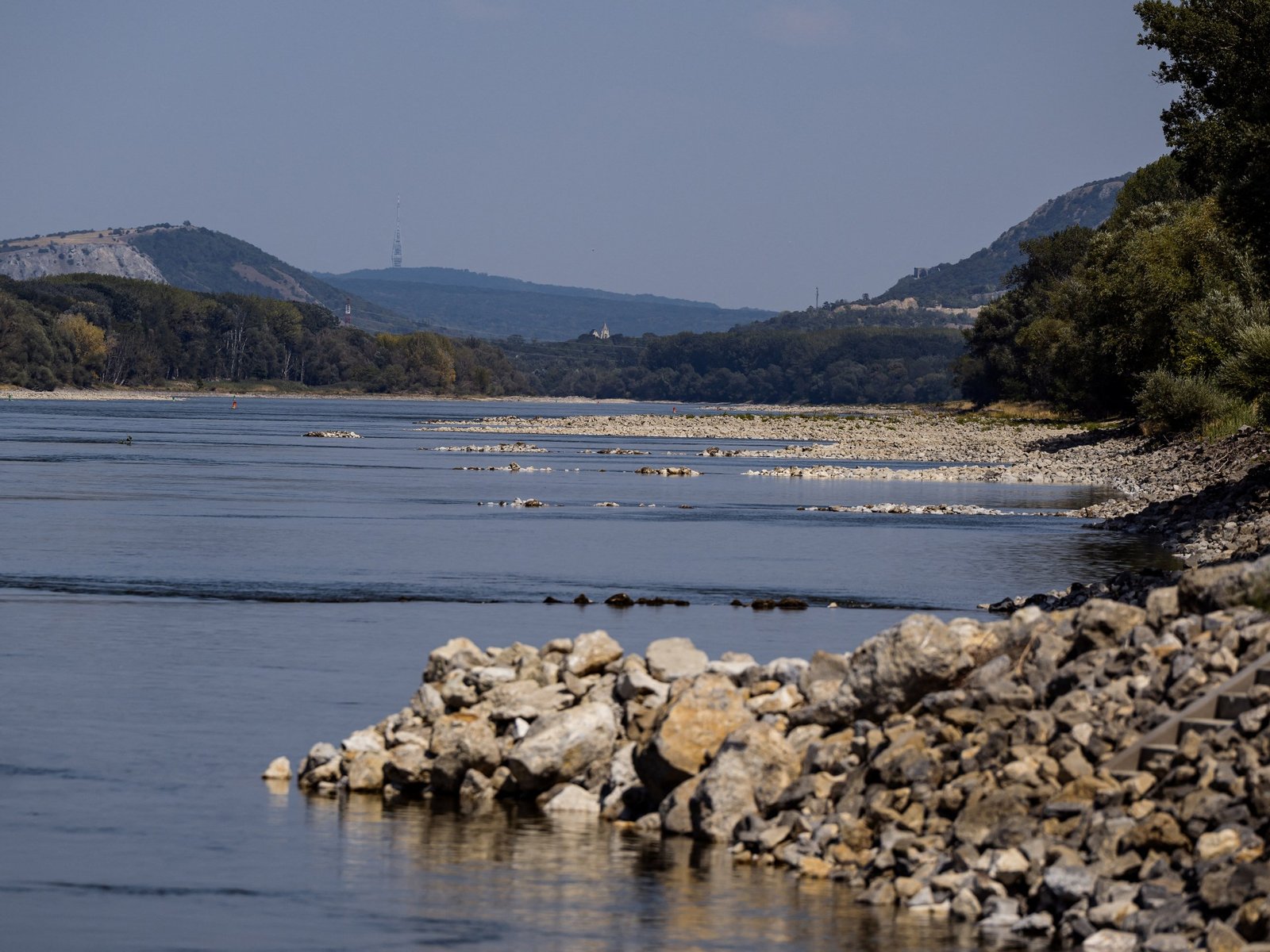
Temperatures in Slovakia reached 42.2 degrees Celsius (108 degrees Fahrenheit) in the southern village of Dolne Plachtince on Thursday, according to the Slovak Hydrometeorological Institute (SHMU). The country’s only nuclear power plant is operating at 80 percent of its capacity as water levels in the Danube, Europe’s second-longest river, fall to record lows.
Recommended Stories
list of 3 itemsend of list
Neighbouring Hungary also recorded a new overnight temperature record in its capital, Budapest, on Wednesday, with temperatures falling only to 28C (82.4F), underscoring the persistence of the extreme heat.
The landlocked country is also being affected by low water levels in the Danube. Its only nuclear power plant, which usually supplies about half of Hungary’s electricity, is operating at 10 percent of its capacity.
Austria is scorching, too. Its national weather agency reported that temperatures reached an all-time high of 41.2C (106.2F) on Wednesday in the village of Bad Deutsch-Altenburg, near the Slovak border.
Meanwhile, wildfires are also ravaging Serbia close to the settlements of Cardak and Sumarak in the Deliblatska Pescara area. Regional television reported that villagers there have been asked to leave their homes as a precaution.
Strong winds across the Balkan nation on Friday complicated firefighters’ efforts to contain the blazes.
Blazes are also being tackled in neighbouring Montenegro near the town of Cetinje, and other locations in the Adriatic Sea nation.
In Italy, authorities placed all of the country’s 27 major cities on the highest heat alert on Thursday for the first time this year. Authorities issued warnings to avoid direct sunlight between 11am and 6pm. A 19-year-old tomato picker is among at least four people believed to have died in recent days amid the heat.
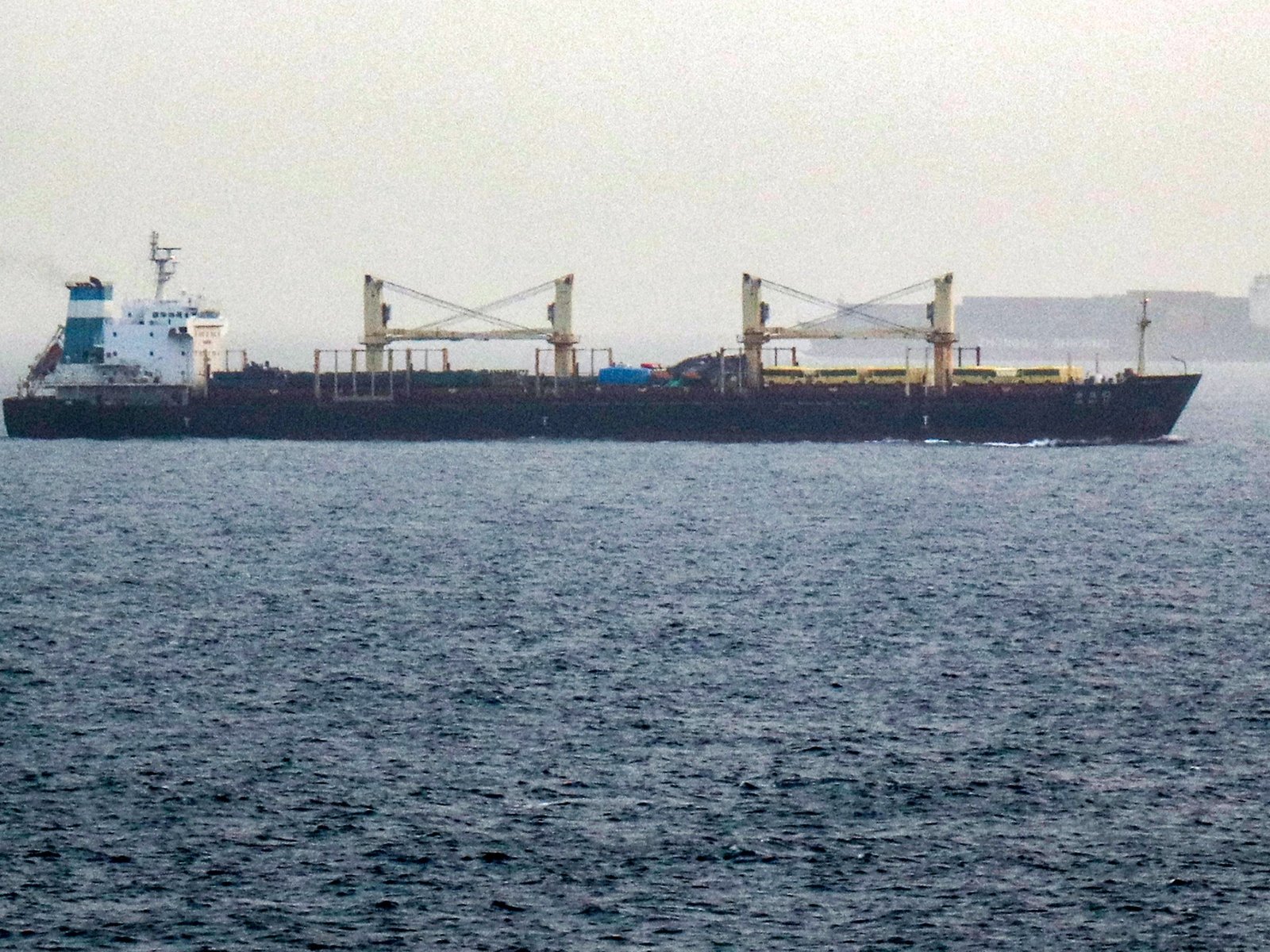
Meanwhile, a worsening drought in Germany has forced several companies to transport cargo by road instead of ship, as water levels decline along the Danube and Rhine rivers. As a result, fewer goods are being moved, causing prices to rise.
Yet forecasters are warning the UK is expected to experience another spell of intense summer heat next week, with temperatures expected to climb as high as 36C (97F) in parts of south-east England. More than half of England and all of Wales is in drought. The Environment Agency said the country has now recorded seven consecutive weeks with less than 10 milimetres of rainfall, raising concerns that more areas could enter drought in the coming days
Scientists warn that extreme summer heat could become increasingly normal in Europe as the global climate warms. The continent is warming faster than any other in the world and at twice the rate of the global average. Thousands of excess deaths have been reported across Europe this summer amid a series of heatwaves, with experts warning that much of the continent’s infrastructure was not designed to withstand such heat.