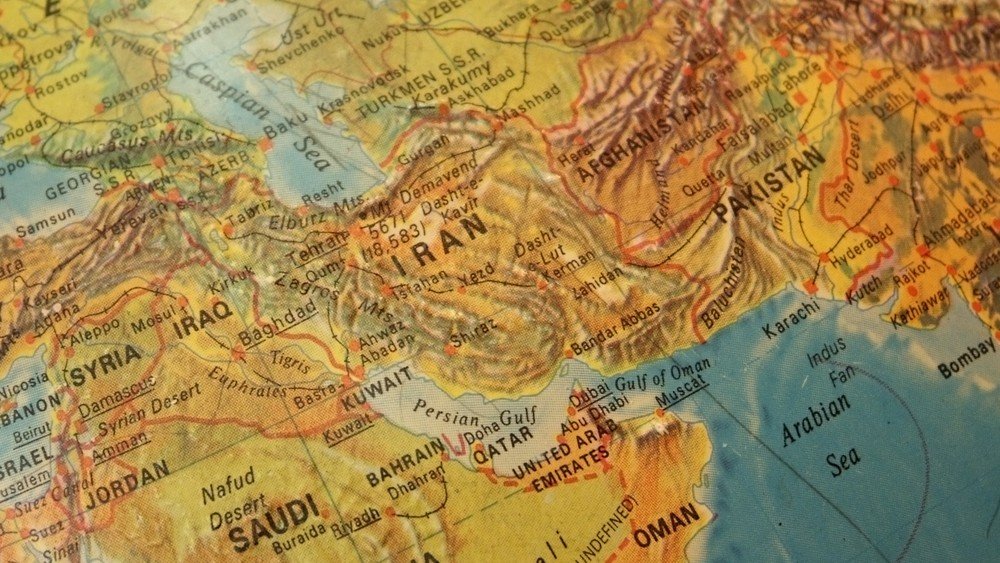
Iran and Oman appear close to an agreement on reopening the Strait of Hormuz, but the remaining issues are substantial. Tehran would control inbound traffic while Oman would oversee outbound shipping, and Iran is seeking sanctions relief in exchange for toll-free passage. Washington opposes giving Iran control over shipping lanes, while the shipping industry has warned that proposed transit fees and existing U.S. sanctions could make the arrangement unworkable. Even if an agreement is announced, it would address shipping through Hormuz rather than the wider war.
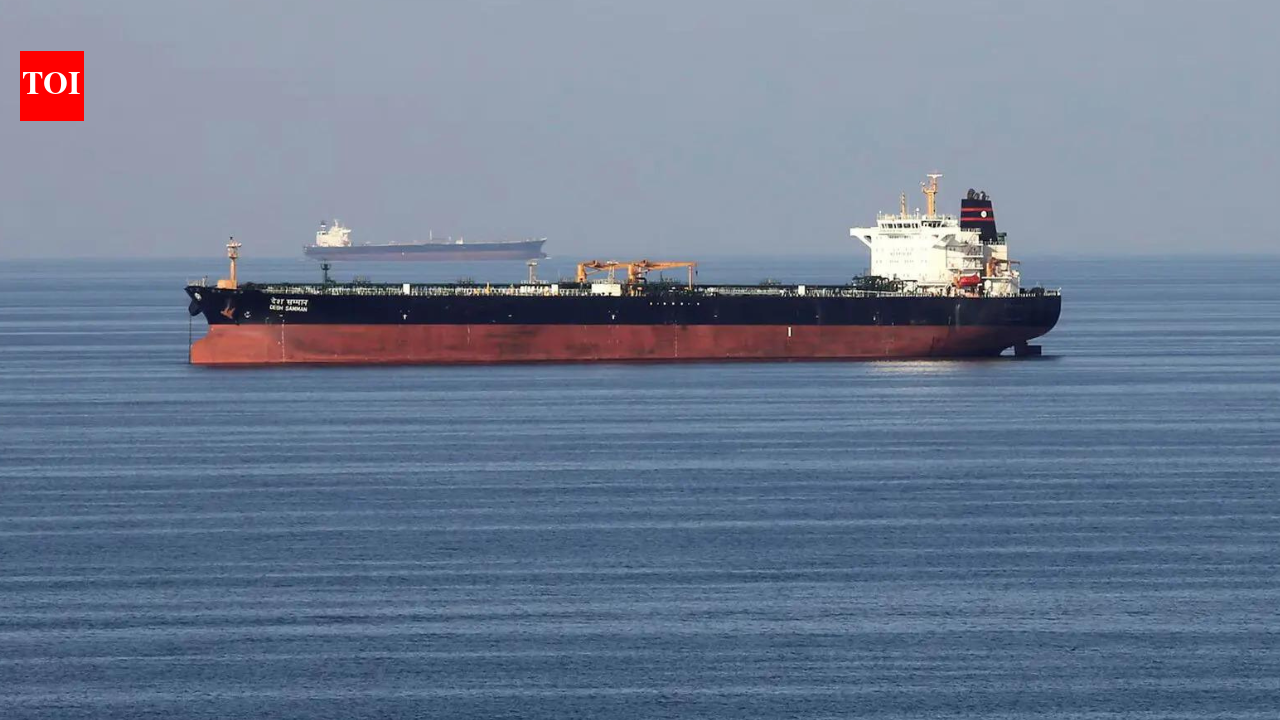
At the same time, Saudi Arabia is being pulled back into Yemen. The Houthis attacked two Saudi oil tankers on August 5 after weeks of escalating attacks on Saudi shipping and oil infrastructure, then launched ballistic missiles and drones against Saudi-backed Yemeni government forces in Marib and Hadhramaut on August 6, killing dozens of government troops. Riyadh has already responded with strikes and created a multinational maritime coalition to protect the Red Sea and Bab el-Mandeb. What had been a largely frozen Saudi-Houthi conflict since the 2022 truce is again becoming an active front in the Iran war.
Earlier this week, CNN reported that U.S. Central Command sent an email to a broad group of military analysts and planners seeking “creative and unconventional ways to pressure and punish Iran.” Intelligence assessments have also now concluded that the existing air campaign would not likely force…
Iran and Oman appear close to an agreement on reopening the Strait of Hormuz, but the remaining issues are substantial. Tehran would control inbound traffic while Oman would oversee outbound shipping, and Iran is seeking sanctions relief in exchange for toll-free passage. Washington opposes giving Iran control over shipping lanes, while the shipping industry has warned that proposed transit fees and existing U.S. sanctions could make the arrangement unworkable. Even if an agreement is announced, it would address shipping through Hormuz rather than the wider war.
At the same time, Saudi Arabia is being pulled back into Yemen. The Houthis attacked two Saudi oil tankers on August 5 after weeks of escalating attacks on Saudi shipping and oil infrastructure, then launched ballistic missiles and drones against Saudi-backed Yemeni government forces in Marib and Hadhramaut on August 6, killing dozens of government troops. Riyadh has already responded with strikes and created a multinational maritime coalition to protect the Red Sea and Bab el-Mandeb. What had been a largely frozen Saudi-Houthi conflict since the 2022 truce is again becoming an active front in the Iran war.
Earlier this week, CNN reported that U.S. Central Command sent an email to a broad group of military analysts and planners seeking “creative and unconventional ways to pressure and punish Iran.” Intelligence assessments have also now concluded that the existing air campaign would not likely force Tehran into an agreement on Trump’s terms. Washington’s strategy, as such, has failed to produce any positive political results despite a massive military campaign. And they’re running out of ATACMs and precision strike missiles, which Trump is now denying. But the reality is that this means a lack of military preparedness in the wildly important Pacific theater.
Iran doesn’t need to defeat the U.S. military; it just needs to prevent Trump from converting American military superiority into a recognizable victory before the November 3 midterms. Attacking more Iranian infrastructure is not going to compel the IRGC to surrender, and U.S. intelligence already knows this.
Iran’s strategy is to expand the conflict across multiple fronts while keeping the cost of doing so relatively low. Every additional front (Hormuz, the Red Sea, Gulf energy infrastructure, proxy attacks on U.S. forces, and the steady depletion of American interceptor inventories) raises the political and economic cost of the war for Washington without requiring Iran to match U.S. military power.