August is already shaping up to be one of the best months for skygazing in recent memory, and the hits just keep on coming. In addition to a planet parade, a meteor shower and a solar eclipse, there is also a lunar eclipse set for the end of August for those in North and South America.
The eclipse coincides with the full moon, which occurs on the evening of Aug. 27. Per Time and Date, the eclipse begins at 9:23 p.m. ET and lasts until 3:01 a.m. ET, for a total of about 5 and a half hours. The Old Farmer’s Almanac says that August’s full moon peaks in brightness at 12:18 a.m. ET on Aug. 28, which means this is all happening at the same time.

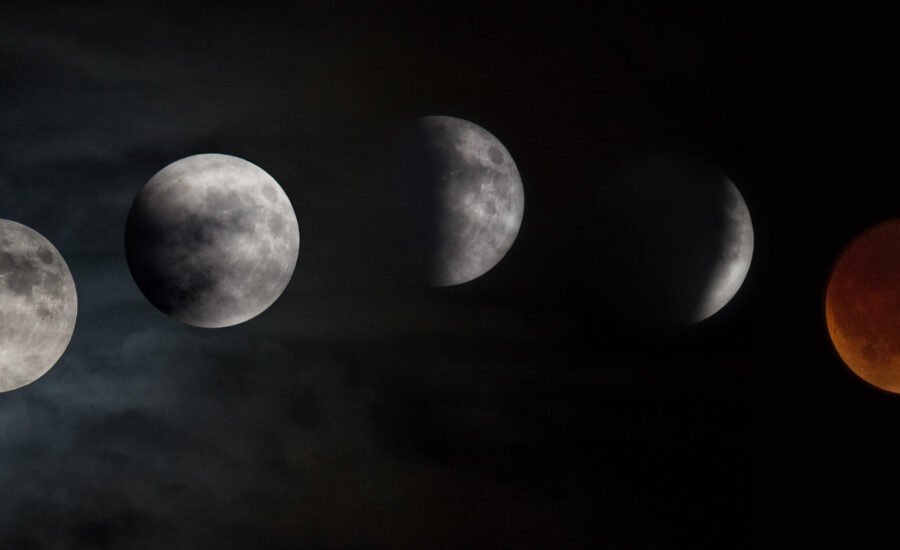
The path is pretty large and includes all of North and South America, along with all of Africa and Europe, seeing at least part of the action. It’s not a full lunar eclipse, even if you’re in the best spot. NASA says that about 93% of the moon will be covered, which means you’ll still see a sliver of the moon along with a “rusty, coppery tint” along the edge that’s covered. Time and Date bumps that figure up to 96%, so it’s likely somewhere between the two.
Those in the eastern US and the eastern half of the Midwest will have the best seats in the house for this one. People along the Rocky Mountains will have a better view than most, with the West Coast and Alaska getting at least a partial eclipse. Unlike solar eclipses, which can be dangerous to view, a lunar eclipse is perfectly safe to watch with the naked eye. In fact, using a telescope or binoculars is encouraged so you can see the eclipse more clearly.
Since it’s not a total lunar eclipse, August’s Sturgeon Moon doesn’t qualify as a blood moon. It’s close enough that it’ll certainly look like one, though. This is due to the way sunlight interacts with Earth’s atmosphere. The atmosphere scatters blue light away, which is known as Rayleigh scattering. This leaves only red and orange light to pass through. It’s bent by the Earth’s atmosphere and lands on the moon, giving it a reddish appearance.

The Perseids is summer’s most active meteor shower.
Preston Dyches/NASA
Part of an action-packed August
The partial lunar eclipse caps off what should be a very active month for sky enthusiasts. Somewhat strangely, most of the action takes place over just two days. The first day is Aug. 12, which features a planet parade, the peak of the Perseids meteor shower, and for those fortunate enough to be in the path, a solar eclipse that might take place at sunset. That’s a lot of activity for just one day. You do have 15 days to sleep it off if you want to catch the lunar eclipse on the evening of Aug. 27.
This is also the best month of 2026 to view Venus, which is taking a vacation from its spot near the sun, making it much easier to see in the evening after the sun goes down.