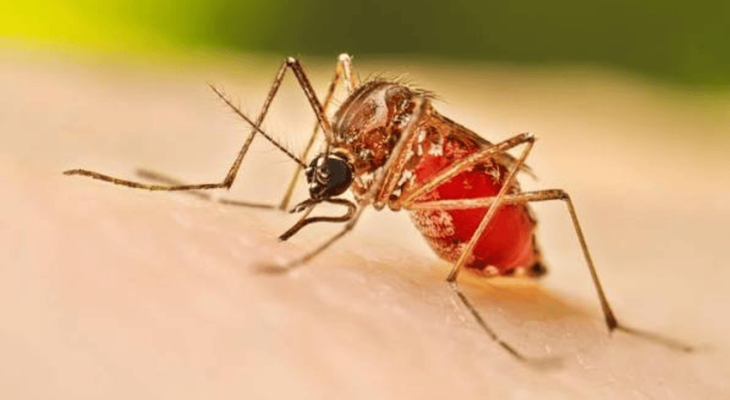
An Indian population of Aedes aegypti mosquitoes, the primary vector of dengue, may be developing resistance to α-cypermethrin, one of the most widely used insecticides in vector-control programmes, according to a new study. Researchers said the findings serve as an early warning for public health authorities, as continued reliance on a single insecticide could gradually reduce the effectiveness of mosquito-control measures.
The study, published in Frontiers in Tropical Diseases by researchers from the University of Delhi, found that while the mosquito population remains largely susceptible to α-cypermethrin, it exhibited a 97.91 per cent mortality rate when exposed to the recommended diagnostic dose—an indication that resistance may be beginning to emerge. Scientists stressed that the mosquitoes have not yet developed stable resistance, but the findings underscore the importance of continuous monitoring.
Resistance Warning Emerges
Researchers linked the reduced susceptibility to significantly elevated beta-esterase enzyme activity, which was nearly 21 times higher than in fully susceptible mosquito strains. Increased enzyme activity enables mosquitoes to break down insecticides more efficiently, potentially allowing them to survive chemical exposure. The study also warned that early resistance to one pyrethroid insecticide could eventually lead to cross-resistance against other insecticides within the same class if control strategies remain unchanged.
The findings come as India prepares for the rollout of its first dengue vaccine and intensifies efforts to combat mosquito-borne diseases through vector control. Experts said preserving the effectiveness of insecticides remains critical because chemical interventions continue to be a key pillar of dengue prevention alongside source reduction, community awareness and surveillance.
The researchers recommended routine resistance monitoring, rotation of insecticides with different modes of action and integrated vector management to slow the emergence of resistance. They said early intervention could help public health programmes sustain the effectiveness of existing mosquito-control tools and reduce the risk of large-scale resistance that may compromise dengue prevention efforts.