A study conducted by Dr Keisuke Obara, Dr Kenta Yoshioka, and Professor Yoshio Tanaka of Toho University suggests that ferulic acid a polyphenolic antioxidant compound found naturally in grains could hold the key to controlling the strength of our intestinal contractions.
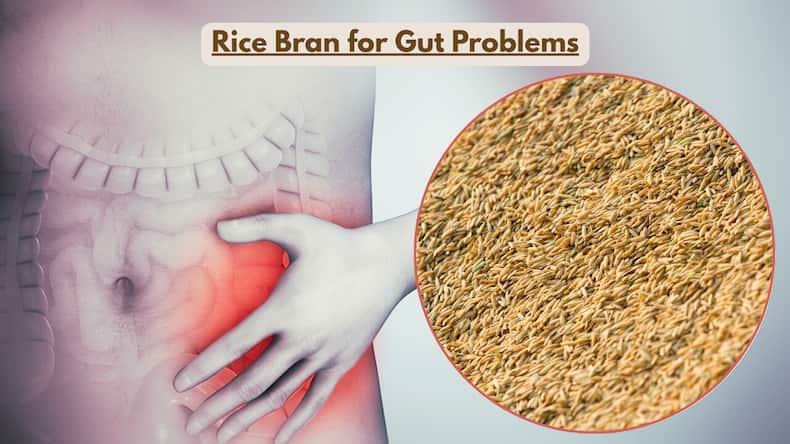
Rice Bran for Gut Problems
A compound found naturally in grains could hold the key to controlling the strength of our intestinal contractions. According to a study conducted by Dr Keisuke Obara, Dr Kenta Yoshioka, and Professor Yoshio Tanaka of Toho University, a plant compound called ferulic acid could help reduce the force of intestinal muscle spasms. The findings could lead to the production of novel diet-based treatments for debilitating gut conditions such as irritable bowel syndrome (IBS) and inflammatory bowel disease (IBD).
What is ferulic acid and how does the gut move?
Ferulic acid is a polyphenolic antioxidant compound that can be found in various food items such as whole grains and rice bran. The beneficial properties of polyphenolic antioxidant compounds on the human body have been highly studied and have been shown to prevent cellular damage and neurodegenerative diseases.
On the other hand, less is known about the effects of ferulic acid on the motility of the digestive tract. The term gastrointestinal motility refers to the movement of the muscles in the gastrointestinal tract that ensures food reaches the other parts of the body. It is estimated that between 6-9% of the population experiences ailments related to intestinal motility dysfunction. Conditions such as IBS and IBD often cause the gastrointestinal muscles to exhibit irregular contractions. This could result in the intestines twitching and spasming uncontrollably, which puts people with these conditions at higher risk of severe diarrhoea and colic pain. Therefore, the researchers hypothesised that the compound could help regulate the abnormal muscle contractions in the gastrointestinal tract.
How ferulic acid relaxes the intestinal muscles
To investigate the impact of the compound on the intestinal muscles, the researchers analysed the effect of ferulic acid on the isolated muscle tissues of the gut. Using various chemical agonists, including acetylcholine, histamine, prostaglandin F2 alpha, and serotonin, they were able to observe how the intestinal contractions responded to the presence of the compound.
They found that ferulic acid reduced the spasms induced by all tested agonists. Moreover, the observed relaxant effect was reversible, as the contractions were restored when the treatment was discontinued. The researchers also found that higher doses of the treatment produced a more evident relaxing effect. Overall, it was found that ferulic acid could prevent the contractions of the gut muscles regardless of the causative agent. The researchers were also able to identify the mechanism of the muscle-relaxing effect of the compound.
It was found that ferulic acid could prevent the contraction of smooth muscles at multiple sites by engaging in a non-competitive process. Specifically, they found that the compound prevents the calcium channels from opening, which prevents the calcium ions from initiating the contractions.
Who might benefit and who should be cautious
The researchers said that the observed muscle-loosening effect of the treatment could benefit patients with IBS or IBD who experience frequent diarrhoea. The condition occurs due to abnormally strong contractions of the intestinal muscles, and ferulic acid could provide significant relief from the uncomfortable spasms.
On the other hand, the same effect could be detrimental to people with IBS who experience frequent stool retention and constipation. A similar note could be made for people with normal intestinal motility, as for them, the treatment could provoke stronger constipation, bloating, and slow digestion.
The need for human studies
The researchers note that the dosages of the compound used in the experiments were significantly higher than the levels of ferulic acid typically found in the bloodstream after a regular meal. Additionally, they note that when ingested as a food supplement, the compound would directly affect the intestinal lining, where the concentration of the acid would be significantly higher than elsewhere in the body. Therefore, there is a need for further research to determine whether the observed results could be replicated in vivo.
Overall, the findings could eventually contribute to the development of new treatments for people with abnormal gastrointestinal motility disorders. However, there is a need for additional research to determine the appropriate safety clearance, the relevant dosages, and which patient groups would benefit from the treatment the most.
Disclaimer: The information provided is for education and research purposes only, and is not intended to replace medical advice. The research mentioned was conducted on laboratory models, and anyone consulting regarding personal health issues should turn to a professional medical practitioner.