
A new review published in Environmental and Biogeochemical Processes suggests that coal gangue, one of the largest solid waste streams generated by coal mining, can be transformed from an environmental burden into an active catalyst for water purification
Led by corresponding author Lixin Li, researchers analysed how thermally, mechanically, and chemically reconstructed coal gangue can actively trigger peroxymonosulfate (PMS) to break down persistent organic pollutants in industrial wastewater.
Transforming solid coal waste into a reactive catalyst
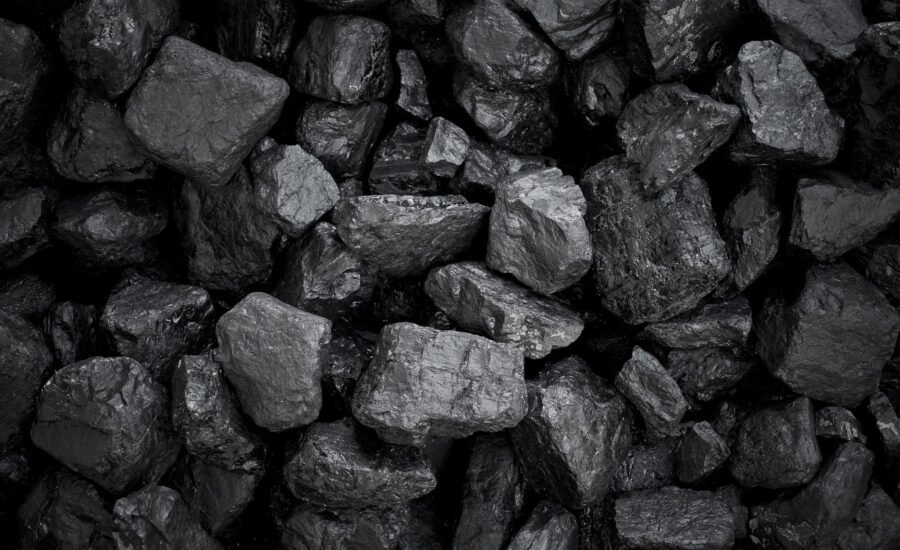
Coal gangue stockpiles occupy large tracts of land and pose environmental risks, including soil erosion and metal leaching. However, the waste material is rich in minerals such as silica, alumina, iron-bearing minerals, and trace metals.
While gangue has traditionally been viewed as an inexpensive, inert filler material or surface carrier, the authors argue it should be treated as an active component of the catalytic interface:
- Structural reconstruction:
- Thermal processing disrupts stable mineral structures to form reactive phases, mechanical grinding exposes fresh surface area and structural defects, and chemical (acid/alkali) treatments modify pore networks and surface charges.
- Oxidant activation:
- Once reconstructed, coal gangue helps activate PMS to generate reactive species, including sulfate radicals, hydroxyl radicals, and singlet oxygen, or drive direct electron transfer to degrade target pollutants.
- Effective probe targets:
- The review highlights tetracycline antibiotics and phenolic compounds as key benchmark pollutants to evaluate whether degradation occurs via radical, non-radical, or combined chemical pathways.

Credit Yusen Wu, Rilin Tan, Linlin Huang, Zilong Dong, Fan Yang, Xiongwei Liang & Lixin Li
Key guidelines for future catalyst design
The authors outline specific priorities for transitioning coal gangue from simple waste reuse to targeted catalyst engineering:
- Maximise intrinsic reactivity first:
- Developers should optimise coal gangue’s native oxidative capabilities—especially its ability to foster hydroxyl radicals—before introducing secondary catalytic metals.
- Tailor metal additions:
- Secondary active components should be carefully matched to the surface chemistry, electronic structure, and defects of the reconstructed gangue matrix.
- Rigorous industrial testing:
- The review stresses that high performance in controlled laboratory settings is insufficient. Future studies must evaluate real industrial wastewater, long-term catalyst durability, metal leaching risks, degradation product toxicity, and overall processing costs.
By addressing solid waste management and persistent water pollution simultaneously, reconstructed coal gangue offers a potential dual-purpose strategy for environmental remediation.