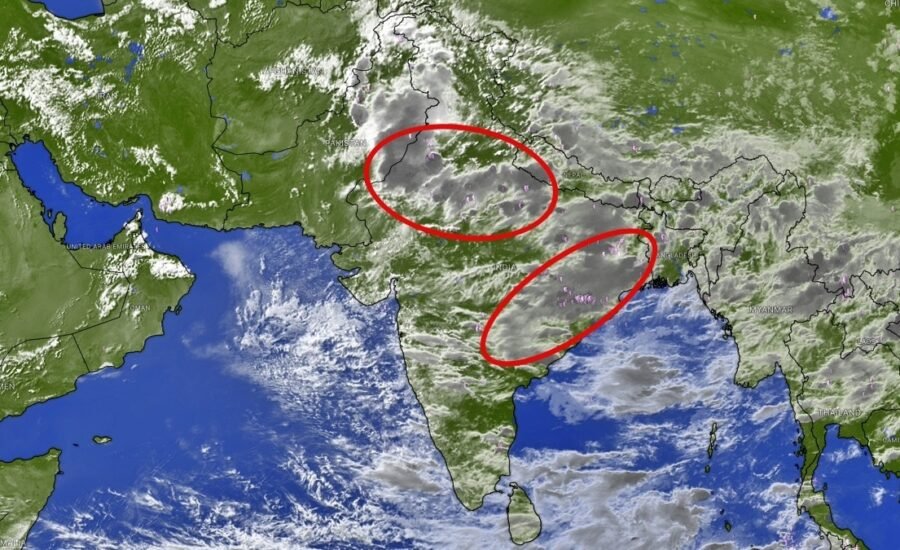
India is likely to witness an active phase of the southwest monsoon over the next two weeks as weather systems over the Indian Ocean and the Bay of Bengal become increasingly favourable for widespread rainfall, even though a key climate pattern known as the Indian Ocean Dipole (IOD) has not yet fully developed.
According to the latest analysis by climate scientists, the IOD remains in a neutral phase. This means the Indian Ocean has not yet shifted into the temperature pattern that can significantly influence India’s monsoon.
At present, winds over the eastern tropical Indian Ocean are being shaped by a combination of tropical westerly winds, the influence of typhoons in the western Pacific and the growing effects of El Nino. The typical southeasterly trade winds associated with a positive IOD have not yet established themselves.
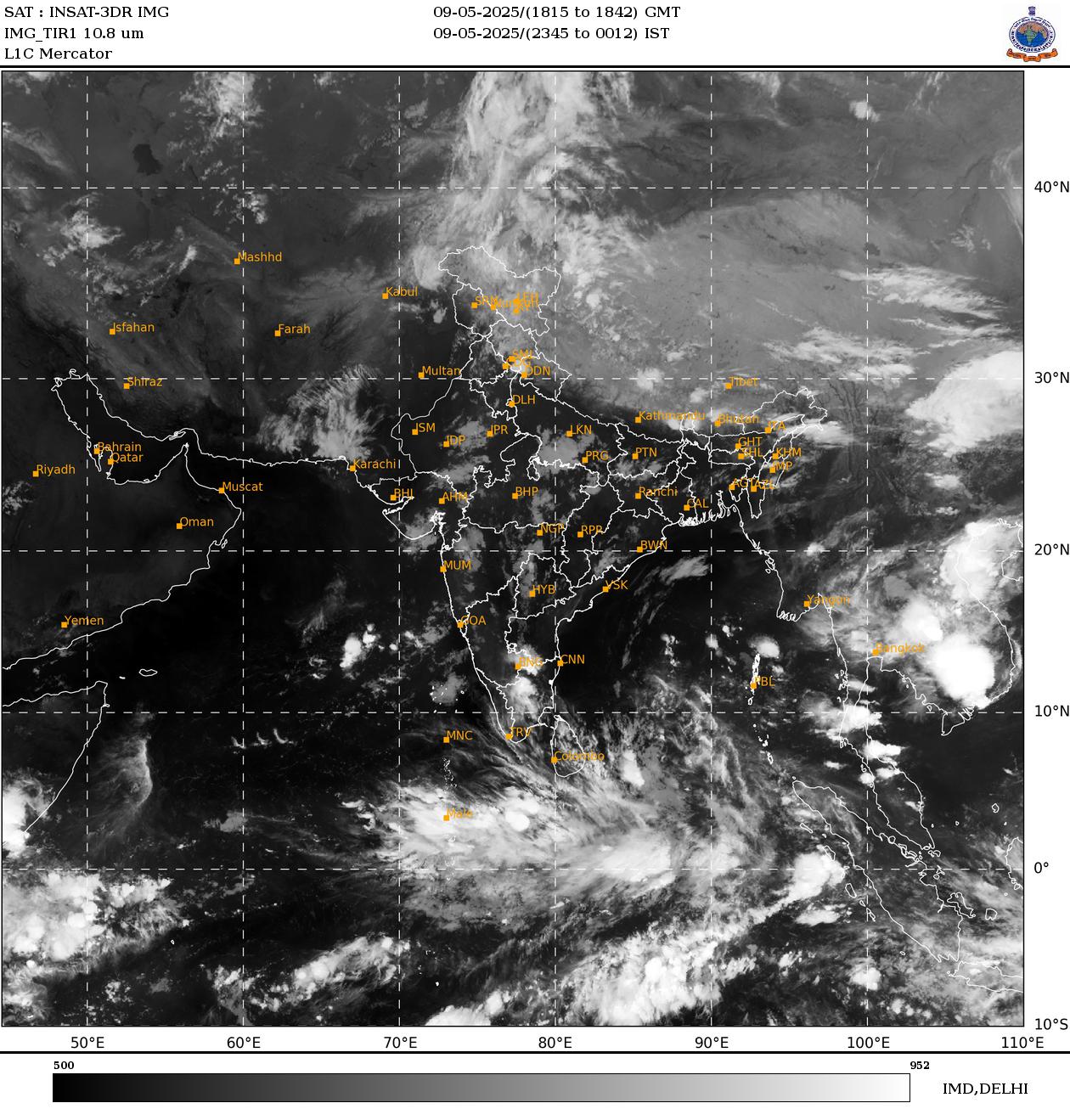
Despite this, thunderstorm activity over the eastern Indian Ocean remains strong, indicating that the atmosphere is still highly active.
Scientists say the relatively smaller size of the Indian Ocean means conditions can change rapidly. If El Nino strengthens further in the coming weeks, it could trigger the development of a positive Indian Ocean Dipole, a climate pattern that often helps offset some of El Nio’s adverse impact on the Indian monsoon.
Another notable feature is the gradual cooling of sea surface temperatures around Indonesia and the Indonesian island of Java. This cooling is linked to seasonal upwelling, a natural process in which colder water rises from deeper layers of the ocean.
Changes in rainfall over Indonesia are closely connected to this cooling and can influence weather across the broader Indo-Pacific region.
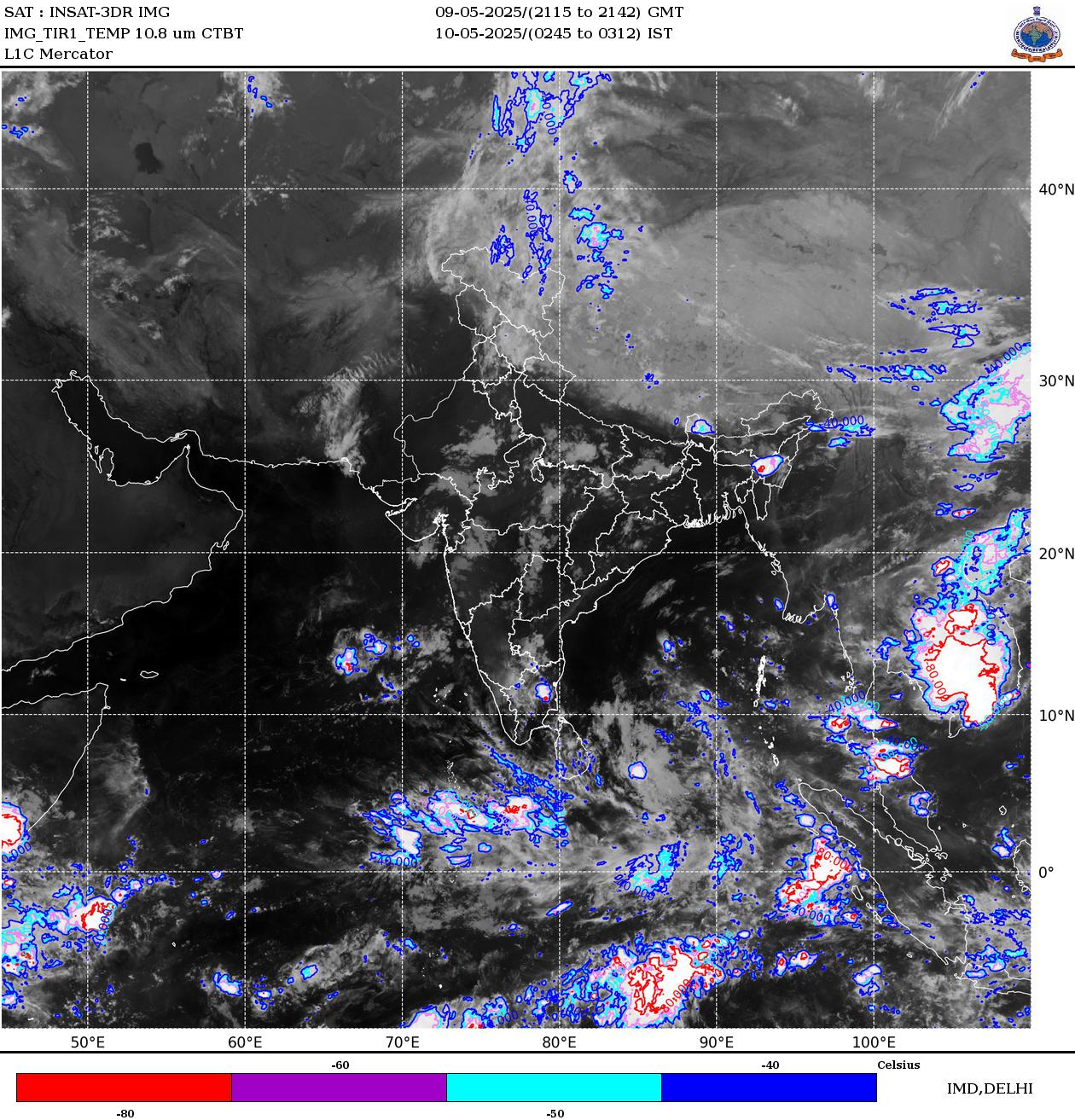
Meanwhile, atmospheric conditions over India have become increasingly favourable for rainfall. Weather experts say short-lived rain-bearing systems are becoming more active over northern and eastern India, while a larger tropical weather pattern known as the Madden-Julian Oscillation (MJO) is moving into a phase that supports cloud formation over the southern Bay of Bengal.
The combination of these factors is expected to fuel an active monsoon spell across many parts of the country over the next fortnight.
While the Indian Ocean is yet to transition into a positive IOD, meteorologists say the evolving ocean and atmospheric conditions will be closely monitored, as they could play a crucial role in determining how the remainder of the 2026 monsoon season unfolds.
– Ends