What Rezaei is warning about
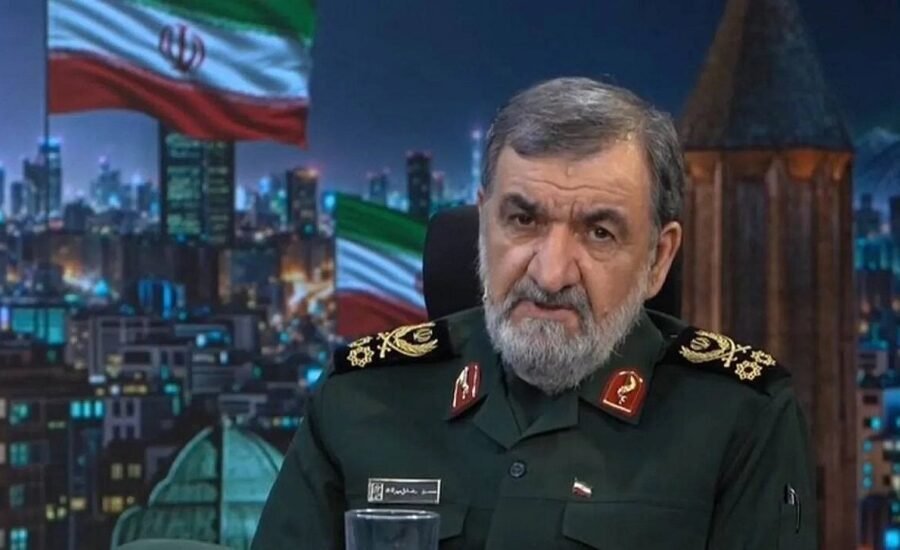
Rezaei’s latest remarks amount to a warning against a possible US effort to physically reopen commercial navigation through a corridor that Iran says it controls.
The threat is significant: a US naval escort operation would put American warships directly into the same maritime environment where Iranian forces have warned commercial vessels to comply with their instructions.
Iran has previously said vessels attempting to use routes it considers unauthorised could face military action.
In July, the IRGC said a vessel that had switched off its tracking system and ignored warnings was fired upon and forced to stop.
Tehran subsequently declared the strait closed until US intervention ceased.
Rezaei has also previously characterised Hormuz as a “powerful arm of deterrence” for Iran, underscoring how central the waterway is to Tehran’s military strategy.
Commercial ships are already turning around
The threat is not merely theoretical.
US Central Command has said it is enforcing a blockade of Iranian ports, rather than a blanket blockade of the Strait of Hormuz itself.
Iran, meanwhile, has issued its own warnings to vessels transiting the strait.
The result is a dangerous de facto reduction in commercial traffic.
The International Maritime Organisation (IMO) warned in June that there was no reliable guarantee of safe passage and said seafarers had already been killed, injured or detained.
By July, the IMO said nearly 6,000 seafarers remained stranded aboard vessels unable to safely leave the Gulf.
The dangerous calculation
The central risk now is miscalculation. Washington could argue that it is attempting to restore freedom of navigation and protect commercial shipping.
Tehran could interpret an American naval escort or newly established corridor as direct military intervention designed to break Iran’s control of the waterway.
That creates the possibility of a confrontation between US and Iranian forces even without either side initially intending to launch a wider war.
And the stakes are already high.
The IMO has warned that the maritime environment remains highly volatile and that commercial considerations cannot justify exposing civilian seafarers to unacceptable risks.
Rezaei’s warning signals that Tehran is prepared to treat any US attempt to physically reopen an alternative corridor through Hormuz as a military challenge.
With commercial vessels already changing course or remaining stranded, the next US move could determine whether the crisis evolves into a negotiated reopening — or a direct naval confrontation.