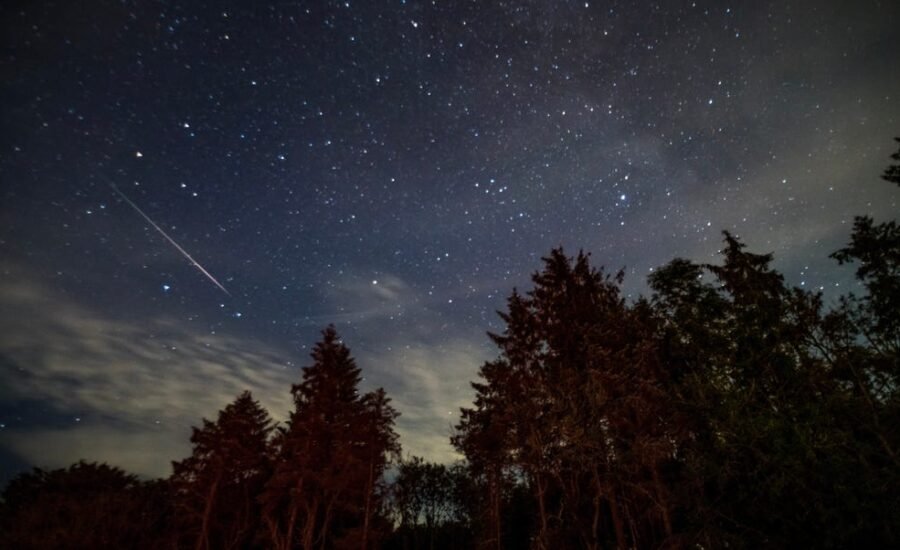
There’s something undeniably magical about the night sky – especially when you know the science behind it. Stars are just giant balls of incandescent gas and shooting stars are just tiny fragments of rock that burst into flames as they streak though Earth’s atmosphere.
I say ‘just’, but, really, understanding what’s happening only makes it more remarkable. The unbelievable vastness of the universe – and the fact that we can witness moments of it with the naked eye – is exactly what makes these celestial displays so enchanting. And one of the year’s most spectacular skywatching events is happening as you’re reading this.
The Perseid meteor shower started on 17 July, but its peak is still on the horizon. On the night of 13 August, you can observe up to 100 shooting stars an hour. The Perseids, so-called because they can be observed in the constellation of the Greek hero Perseus, are small particles from a comet called Swift-Tuttle that has been observed for thousands of years.


“Its possible that Chinese astronomers actually observed the object back in 69 BCE,” says Edward Bloomer, astronomer at the Royal Observatory Greenwich.
So, what’s the best way to observe the Perseids as they crash into Earth’s atmosphere and become trails of flaming debris? The first step, of course, is to wait until night falls.
“Since it is Summer, we do have to wait until fairly late. Darkness is our friend,” says Edward. “Perseus is fairly low on the horizon for us here in the UK, so the real answer is probably between midnight and about four in the morning, but the fun should kick off around 10pm.”
In terms of the ideal vantage point, you’ll want to find a place where you get unobstructed view of the sky and as little light pollution as possible – although it’s still possible to see shooting stars in the city. “The best places are those with clear horizons, and nice and dark. Give your eyes time to adjust, and then it is a matter of waiting,” the astronomer says.


With the high frequency of shooting stars expected at the shower’s peak, you’re basically guaranteed to spot one. “If you observe for an extended period of time you might see lots arriving in an unpredictable rhythm. You might even see little clusters arriving within moments of each other.”
In the unlikely event that you blink every time a shooting star graces the night sky, don’t feel disheartened. The meteor shower may peak in August but it can last until September, Edward says.
“The best thing about the Perseids is that the shower lasts for quite a while,” he adds. “So something like an individual night of bad weather or poor seeing conditions doesn’t need to derail us – there are lots of chances to see something.”
Binoculars for stargazing
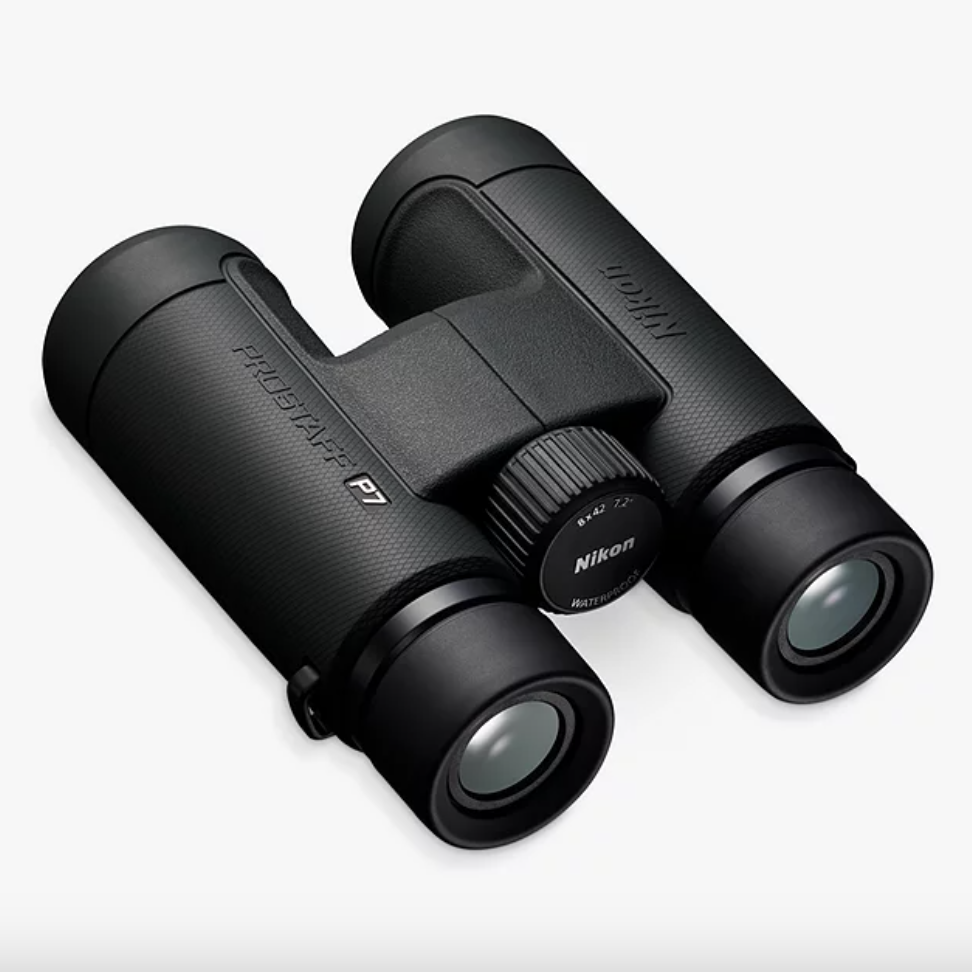
Nikon PROSTAFF P7 Waterproof Binoculars
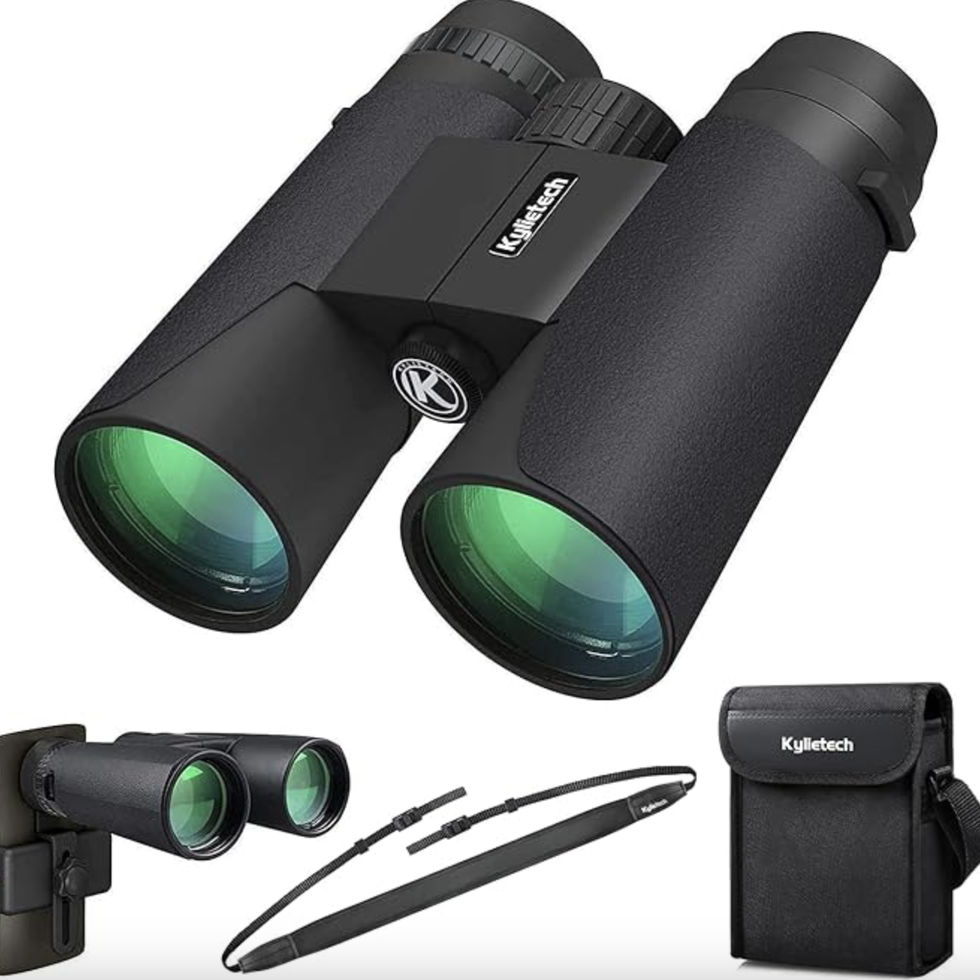
Kylietech High Power 12×42 Binoculars
Now 23% Off
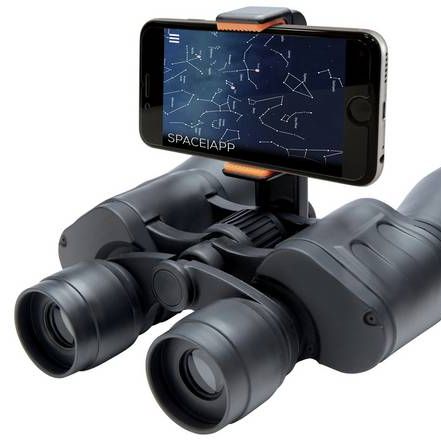
Star Gazing 7 x 50 Binoculars
Wanda Sachs is the Multiplatform Writer for Country Living and House Beautiful, exploring the latest in gardening, wildlife and sustainable living alongside interiors and property. She is particularly interested in human-interest stories, the intersection of design and pop culture, and the evolving relationship between urban and rural life. Previously, she served as Associate Editor at The Berliner in Berlin, where she reported on culture and fashion. Wanda studied English and German at the Goethe University Frankfurt and Exeter University.