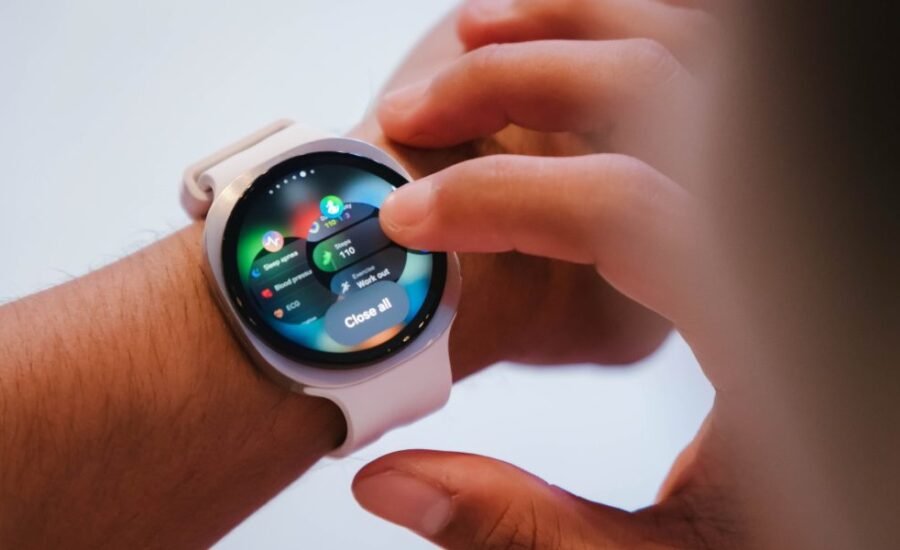
Here’s a paradox worth sitting with: Wearable adoption keeps climbing. A lot of people now walk around with a sensor on their wrist, tracking heart rate, sleep, steps, sometimes ECG. And yet chronic disease rates haven’t moved.
That’s the problem Dr. Hon Pak, Samsung’s Head of Digital Health globally, opened with at a recent panel on the future of connected care. More data hasn’t meant better healthcare. His diagnosis: a first-mile, last-mile issue.
The first mile is that all this wearable data rarely makes it to a doctor in any usable form. The last mile is that even when a doctor says “lose weight, eat better, move more,” that advice tends to dissolve the moment real life takes over.
Picking up kids, caring for parents, getting through a Tuesday, it’s not that people don’t know what to do. It’s that knowing and doing are two different problems.
Samsung’s answer involves three things it says connected care needs to mature: meeting people where they actually are, building enough trust that people rely on the data, and using AI to turn that data into something a person can act on rather than just look at.
The Tuesday evening problem
Karthik Poriya, Head of Product at Samsung Food, framed the everyday failure point clearly. Picture it: long day, you’re tired, staring into the fridge. You’re not reaching for the healthiest option in that moment, you’re reaching for whatever’s fastest and most satisfying.
For years, nutrition tracking has focused on logging what already happened. Poriya’s team wants to intervene right at that decision point instead, pairing Samsung Health’s underlying data (BMI, antioxidant index, glycation markers) with Samsung Food’s recipe index of roughly 40,000 dishes mapped across 34 nutrients, so a health number turns into an actual dinner suggestion rather than another stat to check later.
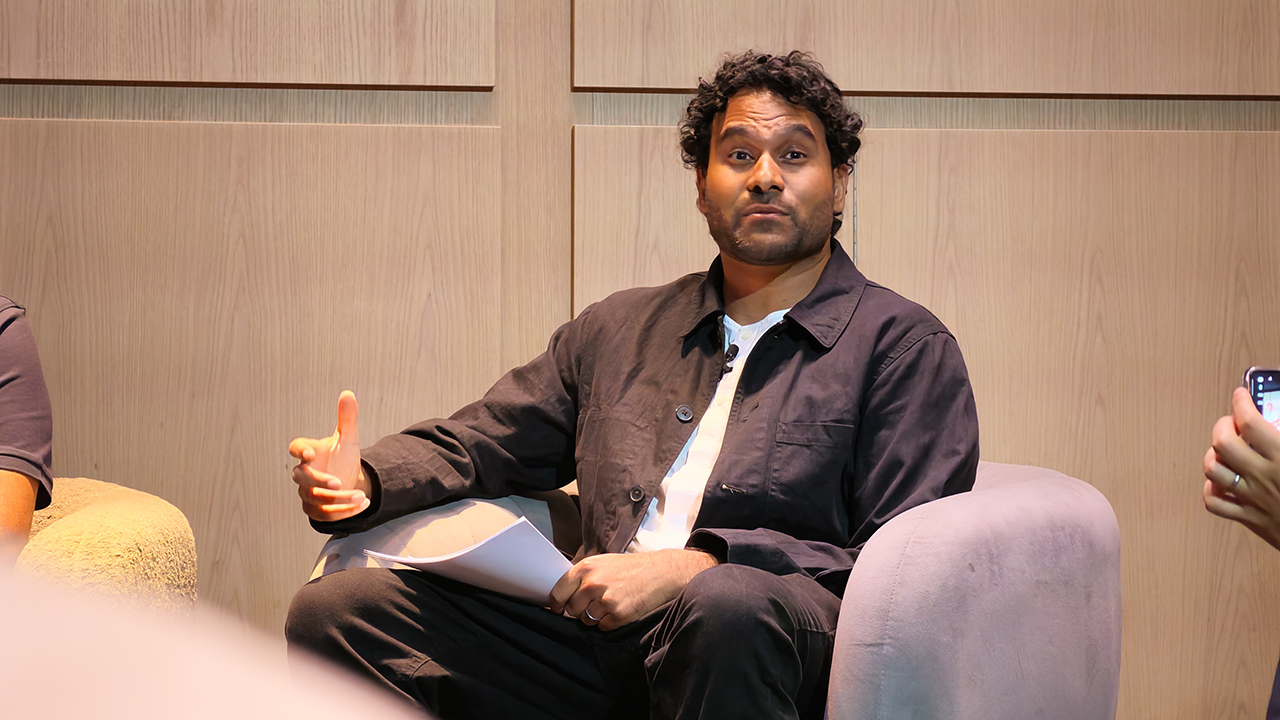
Dr. Pak backed this with a small, concrete example from his own family: moving leftover cheesecake out of eye-level in the fridge and putting washed, sliced carrots there instead.
Kevin Duffy, CEO of connected fitness company iFit, made a similar point about exercise. The most effective tool for sticking to a fitness plan is a personal trainer, he said, citing roughly 80% higher adherence compared to going it alone.
The problem is cost: US$100 an hour or more in a major city puts that out of reach for most people. iFit’s bet is that AI can deliver something closer to a personal trainer’s precision and motivation at a price that isn’t elitist.
Duffy pointed to three reasons his company partners with Samsung specifically: reach (Samsung hardware is already in people’s homes, on their wrists and TVs), access to the biomarker data needed to build an accurate plan, and the fact that fitness goals don’t exist in isolation from sleep and nutrition data.
Trust has to come before any of this works
None of the behavior-change ambitions matter if people don’t trust the data or the company holding it. Rohit R. L., who heads Samsung’s Technology Innovation Lab in the UK, laid out how his team approaches that.
Privacy comes first: Samsung, he said, treats itself as a custodian of user data rather than an owner of it. On top of that sits clinical validation, meaning published, peer-reviewed evidence that a feature actually works in the real world, not just in a lab.
He gave a specific example: Samsung’s ECG and irregular heart rhythm notifications have been clinically validated and cleared by regulators to detect signs of atrial fibrillation. He was careful with the wording there, detect signs of, not diagnose, since that distinction matters both medically and legally.
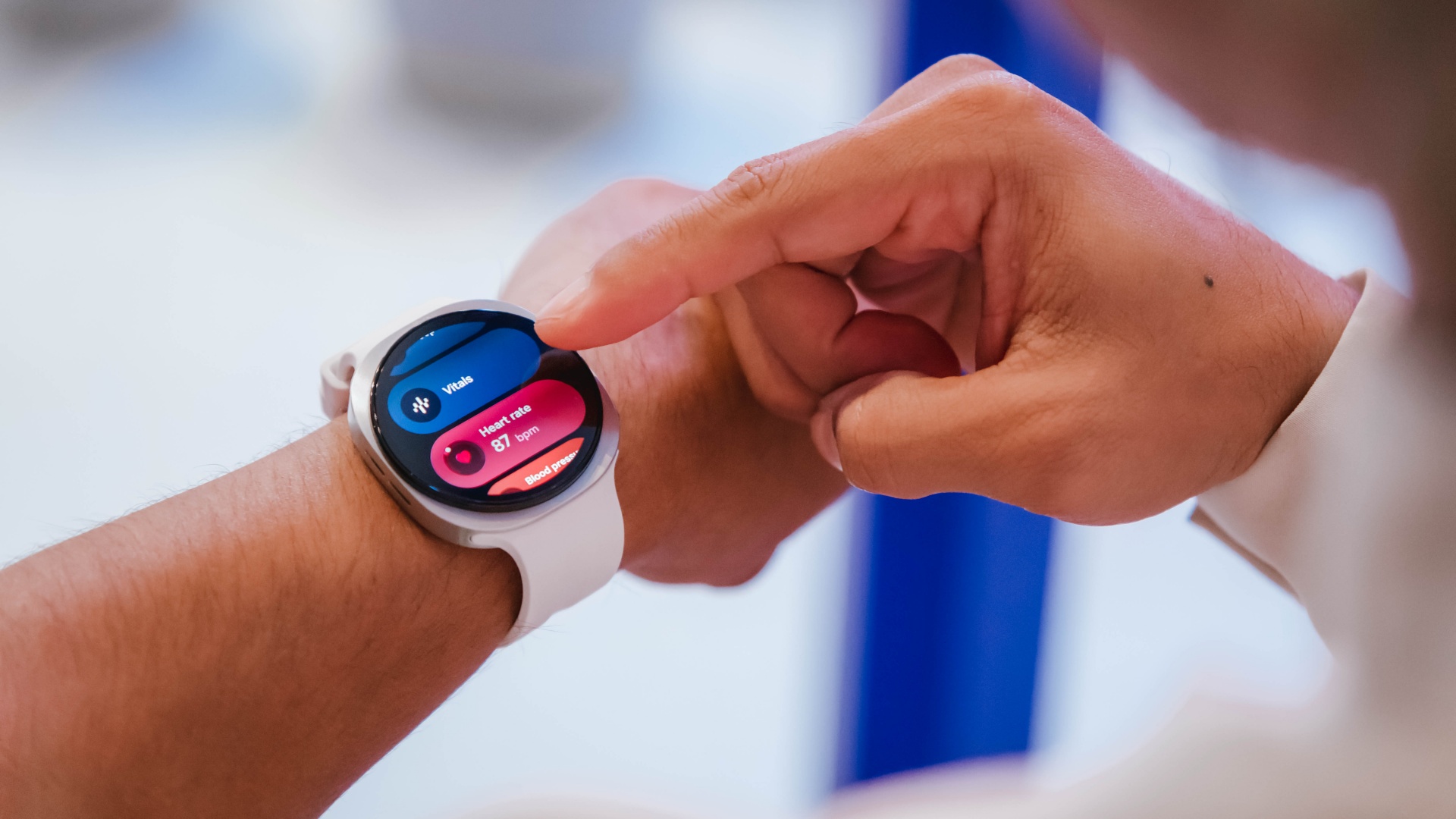
A separate study on fall detection for elderly users turned up a more human finding. The detection algorithm worked well in testing, but in real life people don’t wear their watches around the clock, and falls don’t happen on a schedule.
Dr. Pak drew a useful comparison: nobody tells their MRI technician they’re going to fidget through the scan, but with a wearable, you don’t get to control how or when someone wears it. Real-world validation has to account for that.
On the infrastructure side, Rohit described a three-layer privacy approach: on-device protection through Samsung’s Knox security framework, GDPR-compliant data handling, and alignment with the European Health Data Space, including a decentralized clinical trial system where patient identity stays with the hospital rather than moving to Samsung’s side.
Where AI actually comes in
The most technically dense part of the discussion came from Otavio Penatti, who leads Samsung’s Health AI R&D team in Brazil.
His team works on foundation models, the same category of large-scale AI models trained on unlabeled data that underpin most of today’s popular AI systems. Trained once on a huge amount of sensor data, these models can then be fine-tuned for many specific health applications, which tends to make them more accurate than models built for a single narrow task.
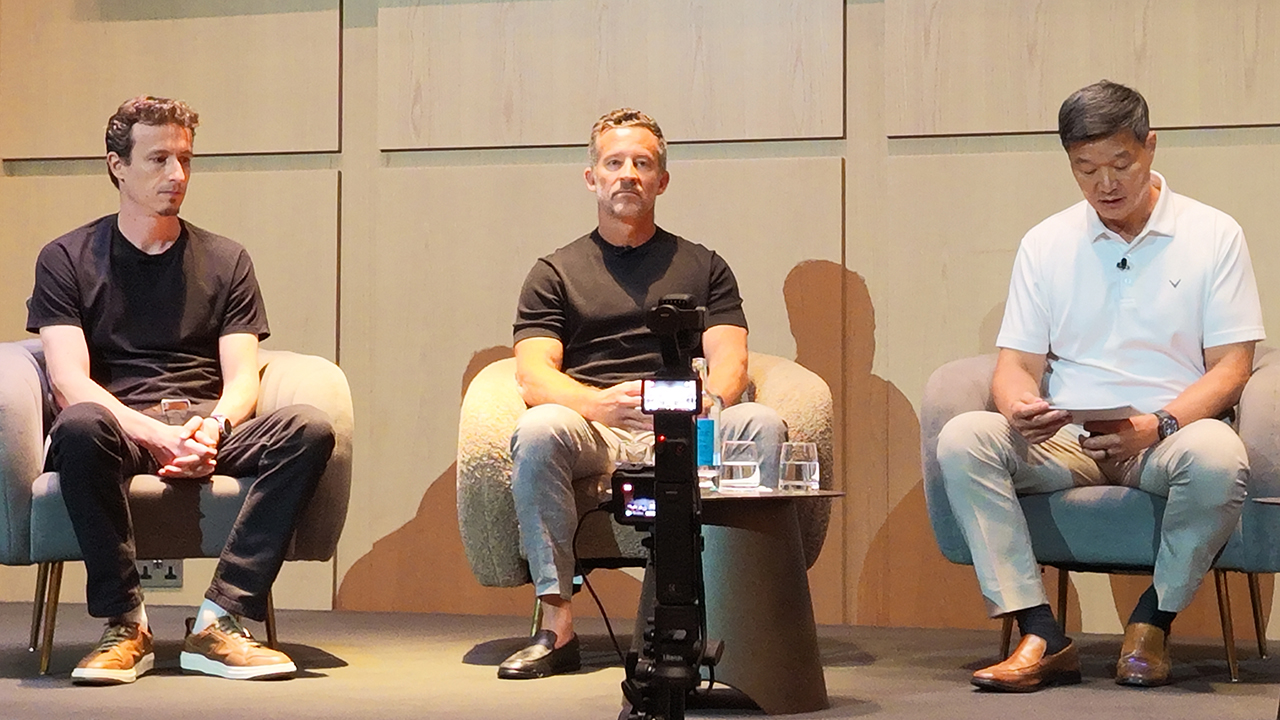
Penatti’s team is training these models on wearable sensor data (PPG, ECG, accelerometer) with the goal of getting the model to, as he put it, understand the body’s own signals well enough to translate them into something useful. Longer term, he sees potential in correlating that sensor data with clinical records to flag disease risk before symptoms show up.
Dr. Pak added a striking data point from Stanford research: a foundation model trained on sleep study data was able to look at just a 24-hour window of sleep and predict risk across more than 130 different diseases.
His takeaway was that the signals for a lot of future health problems are already sitting in the data being collected today, we just don’t yet know how to read all of them.
He closed this part with a number worth sitting with. A recent American Medical Association survey found that 97% of physicians have looked at wearable data at some point. Only 15 to 16% actually use it in day-to-day practice.
The top reason cited wasn’t distrust of the data, it was that the data doesn’t plug into existing clinical workflows. That’s part of why Samsung acquired health data platform Xealth, to build a pipeline that gets wellness data into the systems doctors already use.
Five years out
Asked to look five years ahead, each panelist’s answer tracked closely to their own corner of the problem. Poriya described a proactive dietitian in your pocket, one that doesn’t wait to be asked.
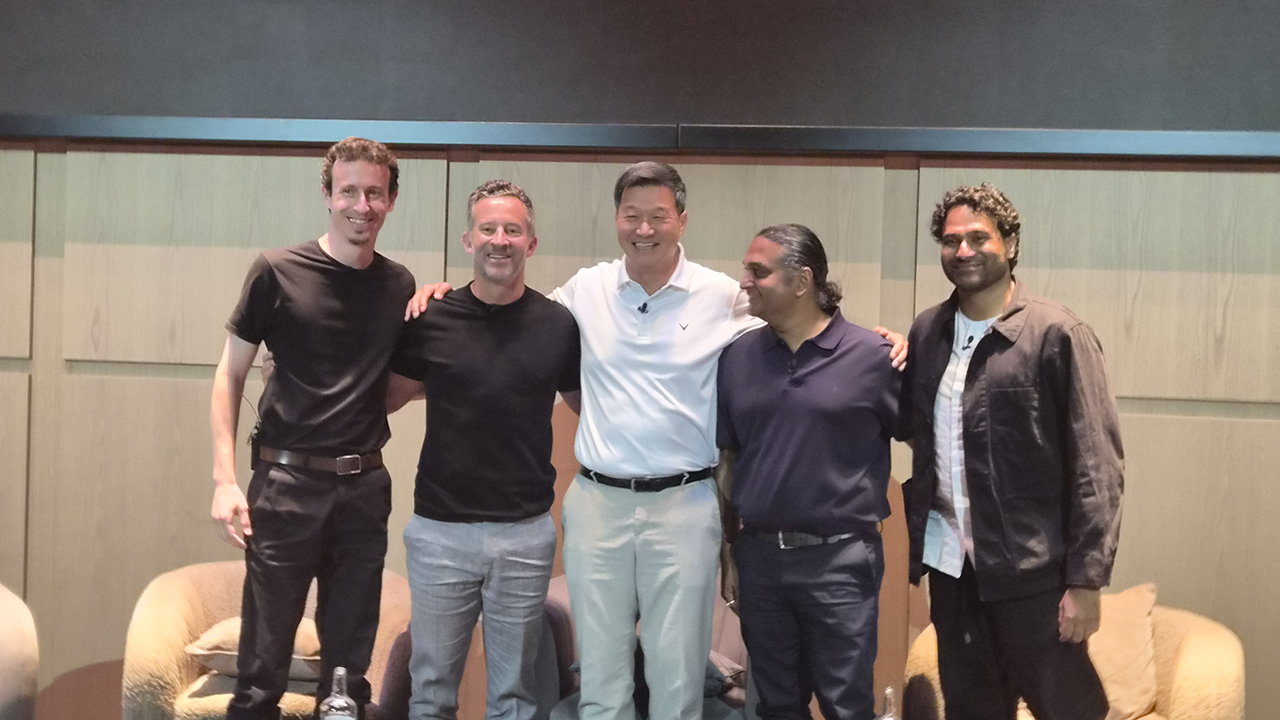
Rohit pointed to connected care that clinicians actually trust and patients fully control. Penatti envisioned AI that continuously links everyday behavior to clinical outcomes, catching problems before they start. Duffy’s version was a constant personal wellness coach, sifting through the data noise to tell you exactly what to do next.
The throughline across all four answers is the same: less raw data, more action. Samsung’s panel made the case that the wearable industry has spent the last decade solving for collection, more sensors, more metrics, more dashboards, while the harder problem, turning that information into something a tired person actually does on a Tuesday night, has barely been touched.
Whether foundation models and better clinical integration actually close that gap is still an open question. But it’s clearly the one Samsung is choosing to spend its next five years on.