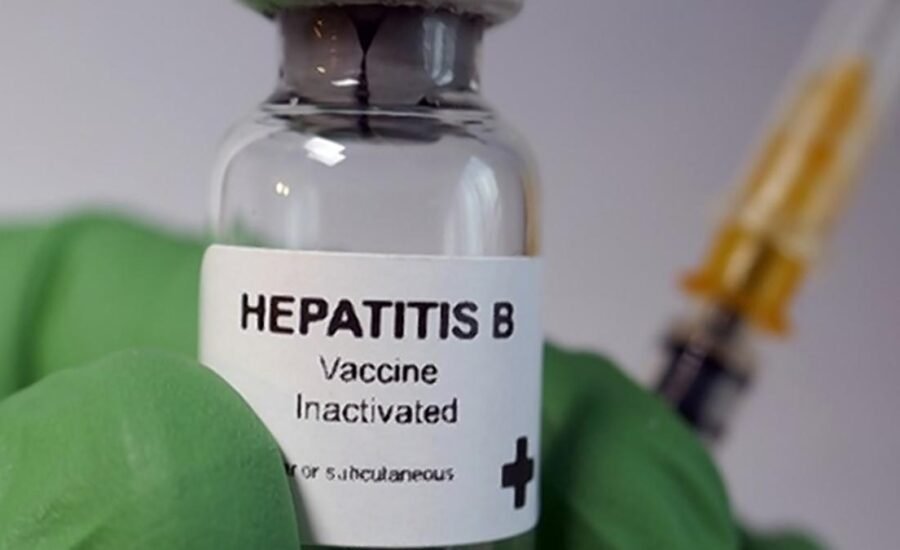

Image for the purpose of representation only.
| Photo Credit: Getty Images
Introducing the hexavalent (six-in-one) vaccine into India’s Universal Immunisation Programme (UIP) could improve the efficiency of the country’s childhood immunisation programme, according to a study conducted by the Union Health Ministry along with the George Institute for Global Health India, the Gates Foundation, Gavi, the Vaccine Alliance, and John Snow India Private Limited.
A hexavalent (six-in-one) vaccine is a combination vaccine that protects infants against diphtheria, tetanus, pertussis (whooping cough), Hepatitis B, Haemophilus influenzae type b (Hib), and polio in a single injection. It reduces the number of injections children need, eases the workload of frontline health workers, lowers cold-chain requirements, and saves caregivers’ time.
According to a release issued by the group, almost 26 million Indian babies are vaccinated annually as part of the nation’s immunisation programme. At present, children receive multiple vaccines during immunisation visits, increasing the number of injections they receive, placing additional demands on caregivers’ time, and adding to the workload of healthcare providers.
Researchers found that the price of the hexavalent vaccine remains the single largest determinant of overall programme costs. Based on trends in vaccine procurement in India, the study estimates that a 50% reduction in the vaccine price would enable operational and system-level savings to outweigh the additional vaccine acquisition costs under the primary immunisation schedule.
The research shows that introducing the hexavalent vaccine could deliver several benefits, including fewer injections for infants, making vaccination more convenient for children and caregivers.
The study assessed two implementation scenarios: replacing the current pentavalent and fractional IPV doses with the hexavalent vaccine during the primary immunisation schedule, and replacing both the primary schedule and the DTP booster dose with the hexavalent booster. Costs were assessed from both government and household perspectives, including vaccine procurement, syringes, cold-chain logistics, healthcare worker time, and caregiver time.
The findings were published in the peer-reviewed international journal *Human Vaccines & Immunotherapeutics*. Previous stakeholder research cited by the authors found that caregivers generally preferred fewer injectable vaccines during each visit.
Susmita Chatterjee, Program Head, Health Economics, the George Institute for Global Health India, said, “Combination vaccines have long been recognised for simplifying immunisation programmes while improving convenience for families and health systems. Our study demonstrates that although the hexavalent vaccine carries a higher upfront procurement cost, it also generates important efficiencies by reducing injections, easing pressure on frontline health workers, lowering cold-chain requirements and saving caregivers’ time. These findings provide important economic evidence that can inform future policy discussions on strengthening India’s immunisation programme.”
Published – August 04, 2026 04:49 pm IST