
Scientists have uncovered fresh evidence explaining how a Western-style diet could increase the risk of colorectal cancer, with certain gut bacteria emerging as a key part of the process.
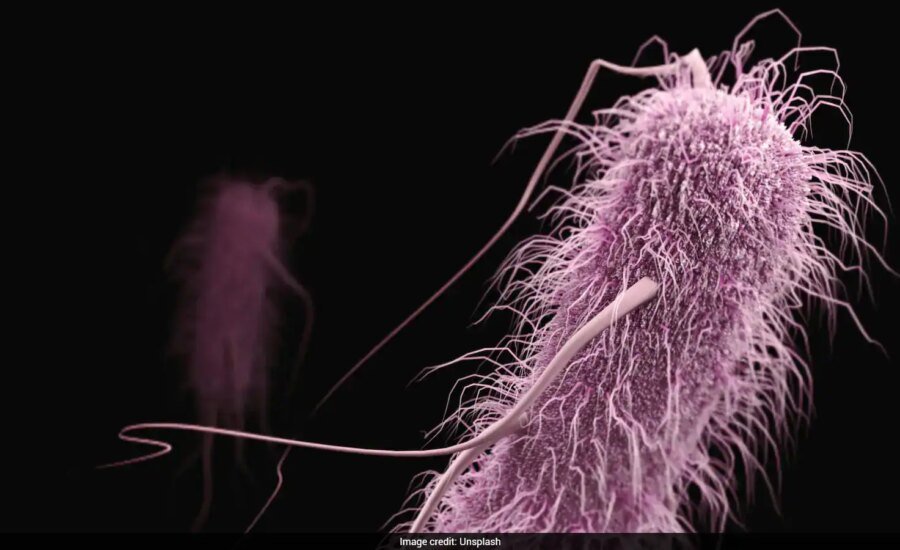
The findings, published in the journal Gut, suggest that some bacteria living in the intestine convert naturally produced bile acids into compounds that encourage tumour growth. Researchers say the discovery could pave the way for new approaches to preventing one of the world’s most common cancers.
Western diets, which are typically rich in fat and red meat but low in fibre, have long been associated with a higher risk of colorectal cancer. Until now, however, the biological process behind this link has not been fully understood.
Also read | ‘Major Surgical Error’: UK Surgeon Struck Off After Connecting Patient’s Organs Incorrectly
An international team of researchers combined experiments involving genetically engineered pigs, mice and laboratory-grown human colon tissue with analyses of gut microbiome data collected from thousands of people with and without colorectal cancer.
The researchers identified deoxycholic acid (DCA), a secondary bile acid produced by specific gut bacteria, as a major factor. According to the study, elevated levels of DCA stimulated the growth and multiplication of cells lining the colon, creating conditions that could encourage tumour development.
The team also found that pigs fed a Western-style diet developed more severe signs of colorectal cancer and had significantly higher levels of DCA than those on healthier diets. When the animals were given a drug that binds to bile acids, the increased cell growth was reduced, strengthening the evidence that DCA plays a direct role.
Also read | Startup Founder Apologises After Offering Job Interviews For Tattoos: “I Thought Would Be Fun”
Further experiments in mice showed that introducing bacteria capable of producing DCA led to a greater number of colon tumours. By contrast, bacteria that had been genetically altered to prevent DCA production caused far fewer tumours.
The researchers also analysed human stool samples from several large population studies and found that bacteria linked to DCA production were more common in people with colorectal cancer than in healthy individuals.
The scientists believe these findings could help identify people at greater risk of colorectal cancer through stool testing. They also suggest that dietary changes or treatments targeting specific gut bacteria may one day reduce the risk of the disease.
While the results are promising, the researchers said more studies in humans will be needed before these findings can be translated into routine clinical practice.
The study was published in the journal Gut.