
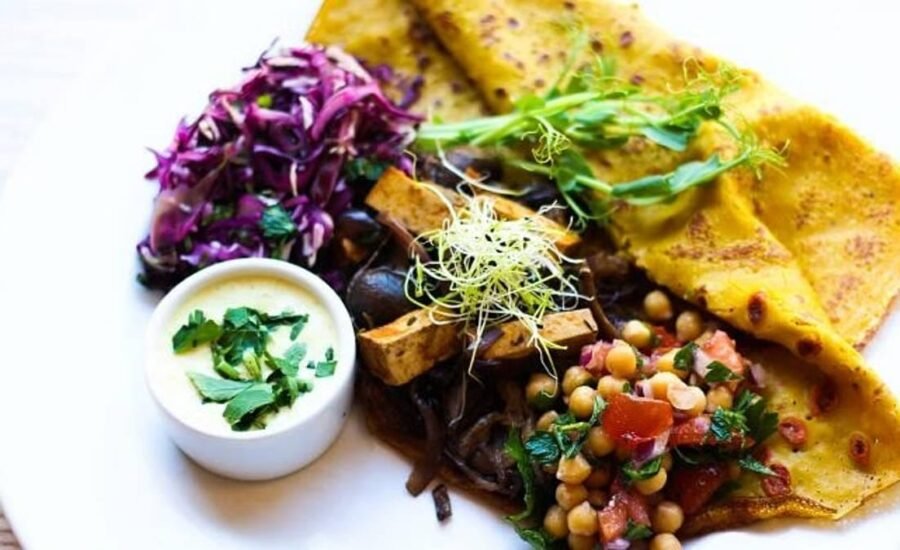
New Delhi: Switching to a vegan diet for just a month can reduce inflammation and slow ageing. Researchers from the University of California and the University of Freiburg in Germany have conducted a randomised clinical trial that indicates a month-long vegan diet altered the body’s gene activity, linked to immune function, metabolism and cancer-related pathways. The findings were published in medical journal MedComm on August 3.
During the trial, 48 healthy participants were asked to follow the same standardised diet for a week, after which, they were either assigned a vegan diet or a meat-rich diet for a month. Both diets were designed to provide similar calorie intake.
To study the effects of this trial, researchers analysed the blood samples of the participants for DNA methylation — a biological process that regulates whether genes are more or less active.
“The remarkable finding isn’t simply that one diet outperformed another. It’s that the epigenome responded measurably in just four weeks, showing that our biology is far more dynamic — and responsive to everyday choices — than we often assume,” said Jerome Mertens, PhD, associate professor of neurosciences at UC San Diego School of Medicine and co-senior author of the study. He added, “Our genes are not our destiny.”
The epigenome is a layer of chemical modifications that sit atop a DNA molecule and determine which genes are turned on and off. It regulates the gene activity without altering the underlying DNA sequence.
What going vegan for a month does to you
Although diet has long been linked to chronic diseases such as diabetes, cardiovascular diseases and cancer, scientists have only begun to understand the direct correlation between food and the epigenome.
The team of scientists examined more than 800,000 methylation sites across the genome before and after the dietary intervention. It found evidence that the vegan diet made the immune system less likely to trigger inflammation. The immune system naturally shifts to an inflammatory state to fight infections or heal injuries. But a persistent state of inflammation can risk diseases such as arthritis, diabetes and some forms of cancer.
In addition to immune signals, the researchers found that the vegan diet added more chemical “switches” to certain genes involved in cell growth. These switches may reduce the activity of those genes, suggesting the diet could influence how cells grow and divide. They also found that after the vegan diet, genes involved in fat processing became less active, while genes linked to blood sugar regulation, DNA repair, and protecting cells from stress became more active.
The most striking finding, however, was on biological ageing. To examine this, scientists used an epigenetic clock, which measures the biological age through DNA methylation patterns rather than the years lived. They found that participants following the vegan diet experienced ageing slowly over the one-month study period.
“The clocks associated with disease risk and overall health consistently pointed in the same direction, suggesting the dietary changes were influencing pathways tied to health rather than simply the passage of time,” said Mertens.
The scientists, however, cautioned that the study was relatively small and necessitates a larger study to confirm the findings and if these molecular changes translate to substantial reduction in the risk of chronic diseases. While the findings provide insights into how dietary choices influence biological processes, it does not indicate that a vegan diet prevents cancer or reverses ageing.
“The next step is to understand whether these epigenetic changes persist over time and whether they translate into meaningful improvements in long-term health. That will require larger clinical studies, but these findings provide an important foundation,” said Max Storz, MD, from University of Freiburg and co-author of the study.