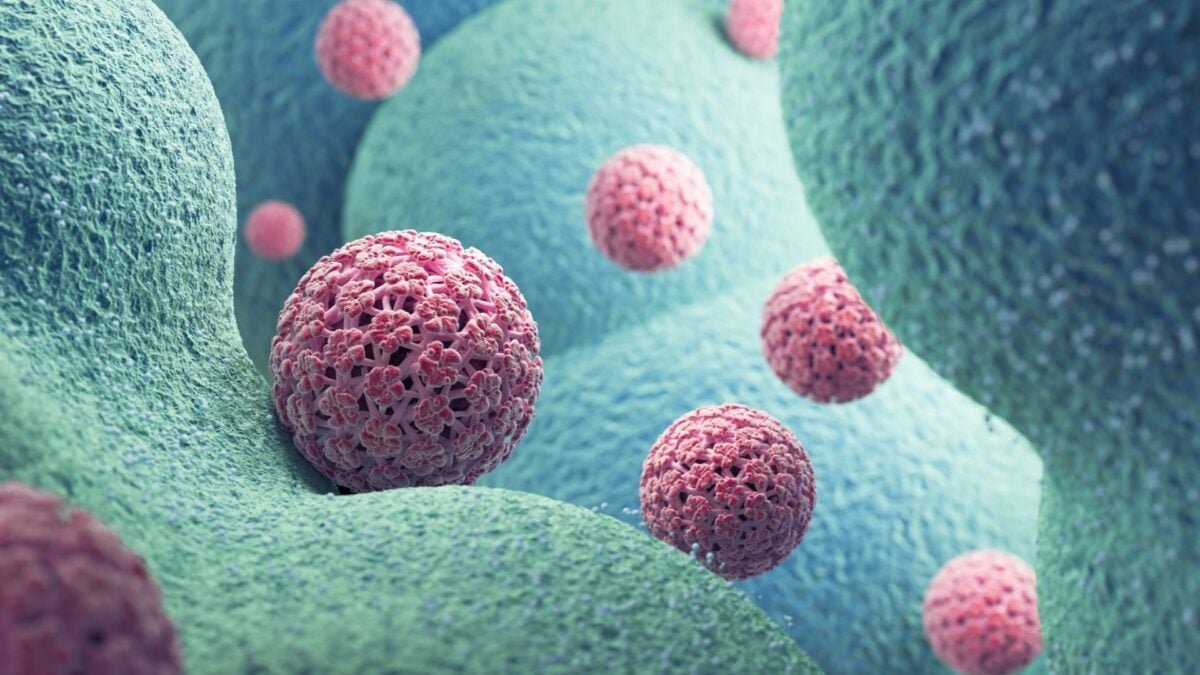
Researchers at Stanford College and the Arc Institute used generative synthetic intelligence (AI) to design absolutely useful viral genomes, a primary for the expertise. The workforce generated 16 viable bacteriophages (viruses that infect micro organism) able to killing E. coli, underscoring the artificial viruses’ potential medical purposes.
The analysis, revealed in Science earlier this month, used the genome language fashions Evo 1 and Evo 2 to design viral genomes from scratch. A genome language mannequin is an AI system educated on genetic sequences in the identical means giant language fashions (LLMs) are educated on human language. Simply as LLMs analyze language patterns to foretell the following phrase in a sequence and generate human-like language, genome language fashions analyze nucleotide patterns to generate DNA and RNA sequences.
The analysis workforce generated hundreds of full bacteriophage genomes, utilizing Phi X 174 (ΦX174), a bacteriophage that naturally infects E. coli, as a template. They then synthesized round 300 of the genomes, of which 16 proved to be absolutely viable bacteriophages.
As with their pure templates, the generated viruses exhibited robust specificity for his or her E. coli hosts. Strikingly, a mix of the artificial bacteriophages killed E. coli which are proof against ΦX174. This means the generated bacteriophages might successfully fight treatment-resistant micro organism.
“This work gives a blueprint for the design of various artificial bacteriophages and helpful organic techniques on the genome scale,” the researchers wrote.
Science revealed a related Perspective article by Thomas Inglesby and Moritz Hanke on the Johns Hopkins Middle for Well being Safety, which highlighted the potential moral and security dangers related to organic AI fashions.
“The query is not whether or not generative viral genome design will exist,” write Inglesby and Hanke, commending Stanford and Arc Institute researchers for intentionally contemplating biosafety and biosecurity issues of their examine.
“It’s whether or not society can construct oversight that enables its advantages to unfold whereas stopping it from enabling severe hurt.”
Sources: Science, Science, News Medical