
“It opens the door to many more people owning pets. On the negative side, it may discourage people from adopting strays and unwanted animals that are not engineered to be allergy-free,” said bioethicist Arthur Caplan of New York University’s Grossman School of Medicine.
Researchers have attempted to create hypoallergenic pets before, mostly through cloning. However, that led to sicker pups with limited genetic diversity. Two years ago, researchers used CRISPR to reduce levels of an allergy-causing protein in a cat named Alsik, though its safety across other cats remains unproven.
Dogs that shed less, such as poodles, are often considered hypoallergenic. Yet, these breeds still produce allergy-causing proteins in their saliva, hair, and dander that trigger symptoms in sensitive people.
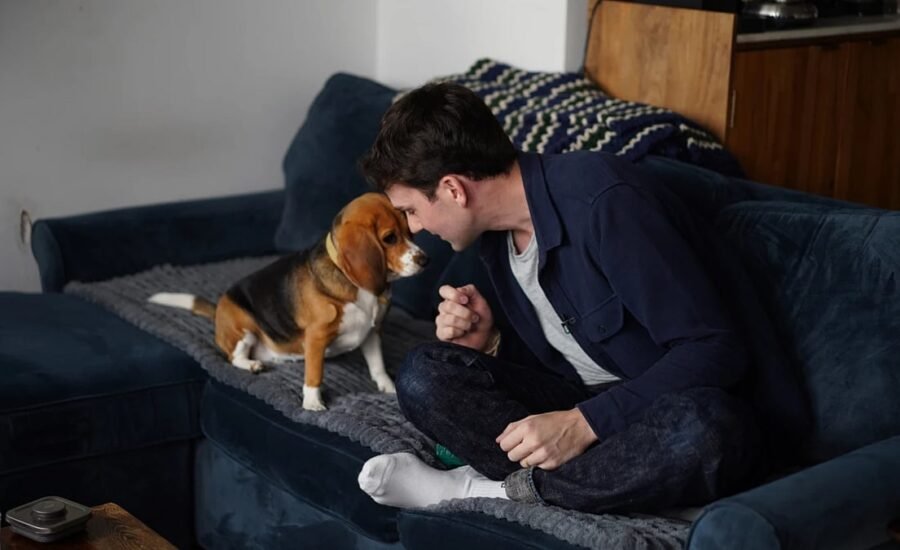
To create Alfie and Bailey, scientists began in the lab by editing the genetic code inside dog skin cells to switch off the primary gene responsible for producing the offending protein. They then transferred the edited code into eggs implanted in a beagle surrogate, which gave birth to two healthy female pups in September 2024. Tests on their saliva and fur revealed no trace of the allergy-causing protein.
Scientists also performed a skin-prick test on Walker using extracts from Alfie and Bailey’s saliva and dander. His skin reacted to samples from a poodle and a goldendoodle, but showed no reaction to the edited beagles.