4 min readAug 7, 2026 05:06 PM IST
First published on: Aug 7, 2026 at 05:06 PM IST
Annam Brahma.
In the Vedic vision, food is not mere sustenance. It is Brahman itself — the living substance that becomes body, mind and prana. What we place on the tongue shapes the quality of our thoughts, the strength of our dharma, and the destiny of the nation. Today, that sacred understanding has been inverted. Food is no longer worshipped as medicine. It is engineered as addiction and sold as aspiration.

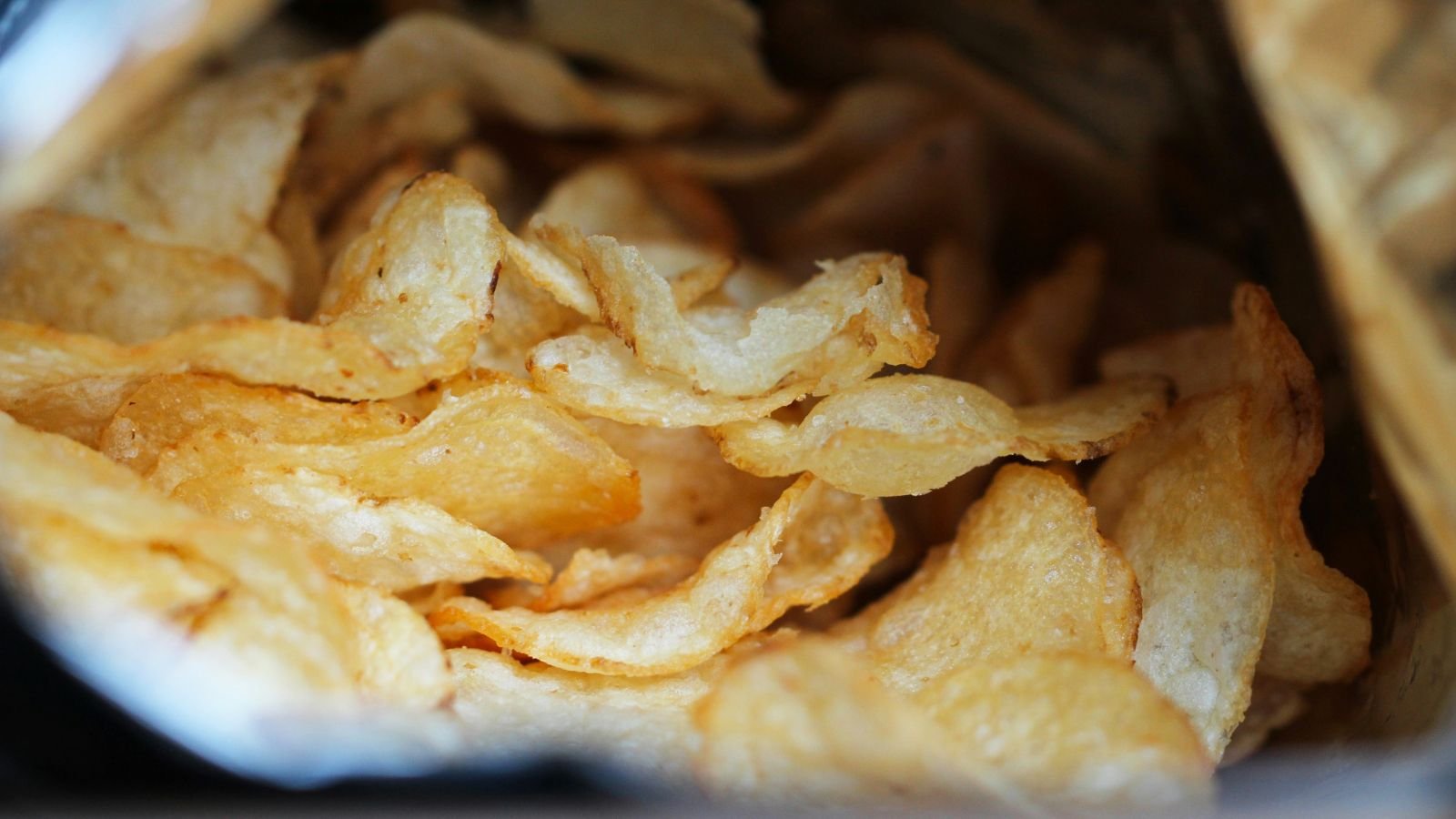
We are living through a silent metabolic emergency. Ultra-processed foods — loaded with fat, sugar and salt — are being marketed to India’s children with cartoon characters, celebrity endorsements, cricket sponsorships and aggressive “buy-one-get-one” tactics. School canteens and digital feeds have become delivery systems for hyper-palatable products designed in laboratories to override satiety and create lifelong craving. The human cost is already visible. Nearly one in three Indian women and one in four men are overweight or obese. Childhood obesity and type-2 diabetes are rising at a pace unseen in our history. Cardiovascular and metabolic diseases have almost tripled in seven years. This is not a failure of individual willpower. It is a failure of the food environment we have allowed to form around the next generation.
Global science is unambiguous. It has linked ultra-processed foods to obesity, diabetes, heart disease, certain cancers and premature death. The WHO and UNICEF have repeatedly warned that repeated exposure to junk-food advertising shapes children’s preferences long before they can exercise informed choice. Every time a child reaches for a sugary drink or packaged snack instead of dal, roti and seasonal fruit, an ancient dietary wisdom that sustained this civilisation is being displaced. India’s own Economic Survey 2025-26 has sounded the alarm. It calls for clear front-of-pack warning labels, watershed restrictions on advertising, and a precise legal definition of ultra-processed foods. There is a need for stringent regulation of HFSS (High in Fat, Sugar or Salt) marketing and a ban on junk food in schools.
Śarīramādyaṃ khalu dharmasādhanam. The body is the primary instrument of dharma. A generation whose metabolism is compromised cannot fully discharge its duties to family, society or nation. When we allow commercial forces to undermine the health of children for short-term profit, we are not merely creating patients; we are eroding the foundation of future capability. The time for half-measures is over. We need to impose a complete ban on advertising of HFSS and ultra-processed foods between 6 am and 11 pm across television, digital platforms and social media. It’s time to prohibit celebrity endorsements, school-based promotions, cartoon mascots and any form of child-targeted marketing of junk food. Finally, we need to make every school a protected nutritional zone: Remove sugary drinks and HFSS products, and ensure only wholesome, sattvik, culturally rooted meals are served.
India once taught the world that food is medicine. We can do so again — not by exporting the diseases of modern lifestyles, but by reclaiming the wisdom that viewed ahara as the first and most intimate form of medicine. From food as medicine to food as marketing was a costly detour. It is time to reverse the journey. Let food be medicine again.
The writer is a Mumbai-based endocrinologist