
Today, taking a photo is as simple as tapping a smartphone screen. Within seconds, we can click hundreds of pictures and instantly share them with the world. But nearly two centuries ago, capturing a single image required extraordinary patience.
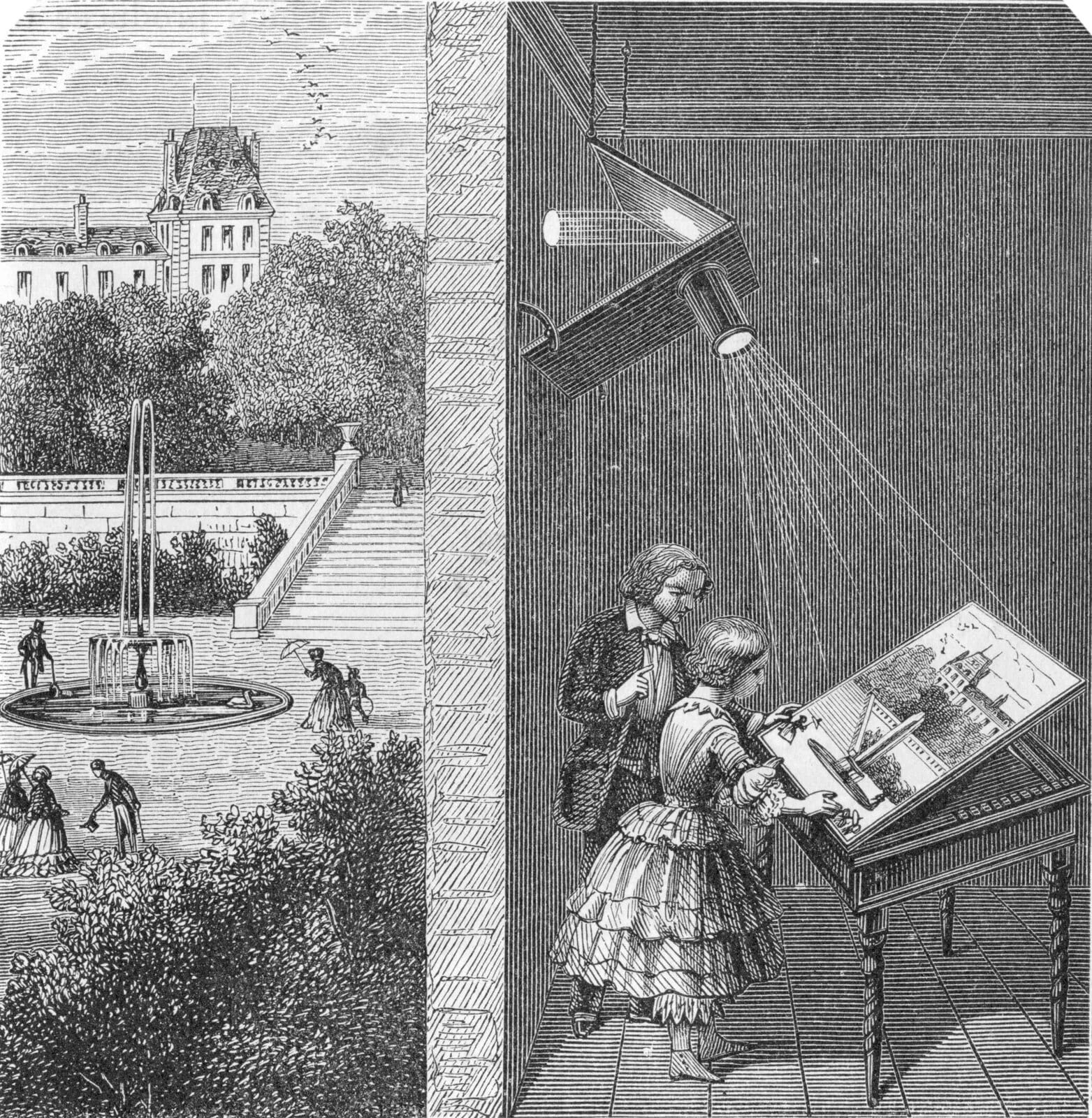
Long before modern cameras existed, artists relied on a device known as the Camera Obscura. It consisted of a dark box with a tiny hole that allowed light to enter, projecting an upside-down image of the outside world onto an inner surface.
Painters used this optical projection as a guide for creating realistic artwork. However, the image disappeared as soon as the light source changed, making it impossible to preserve permanently.
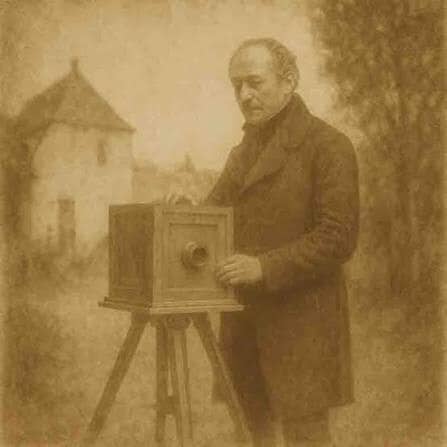
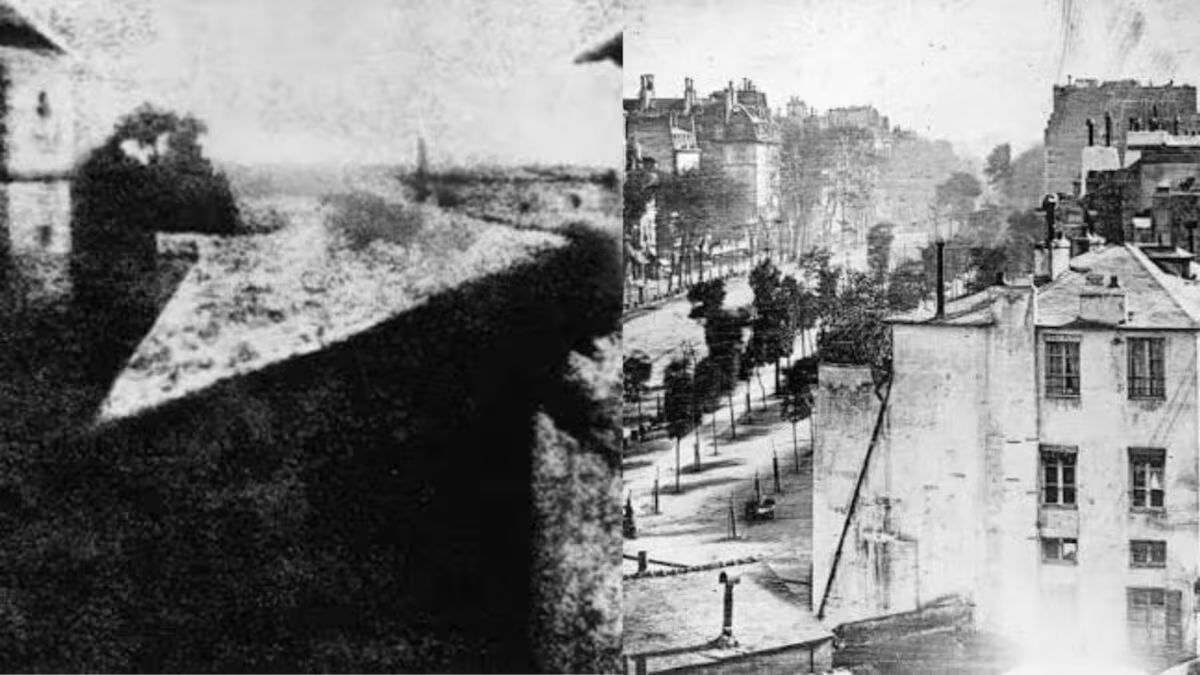
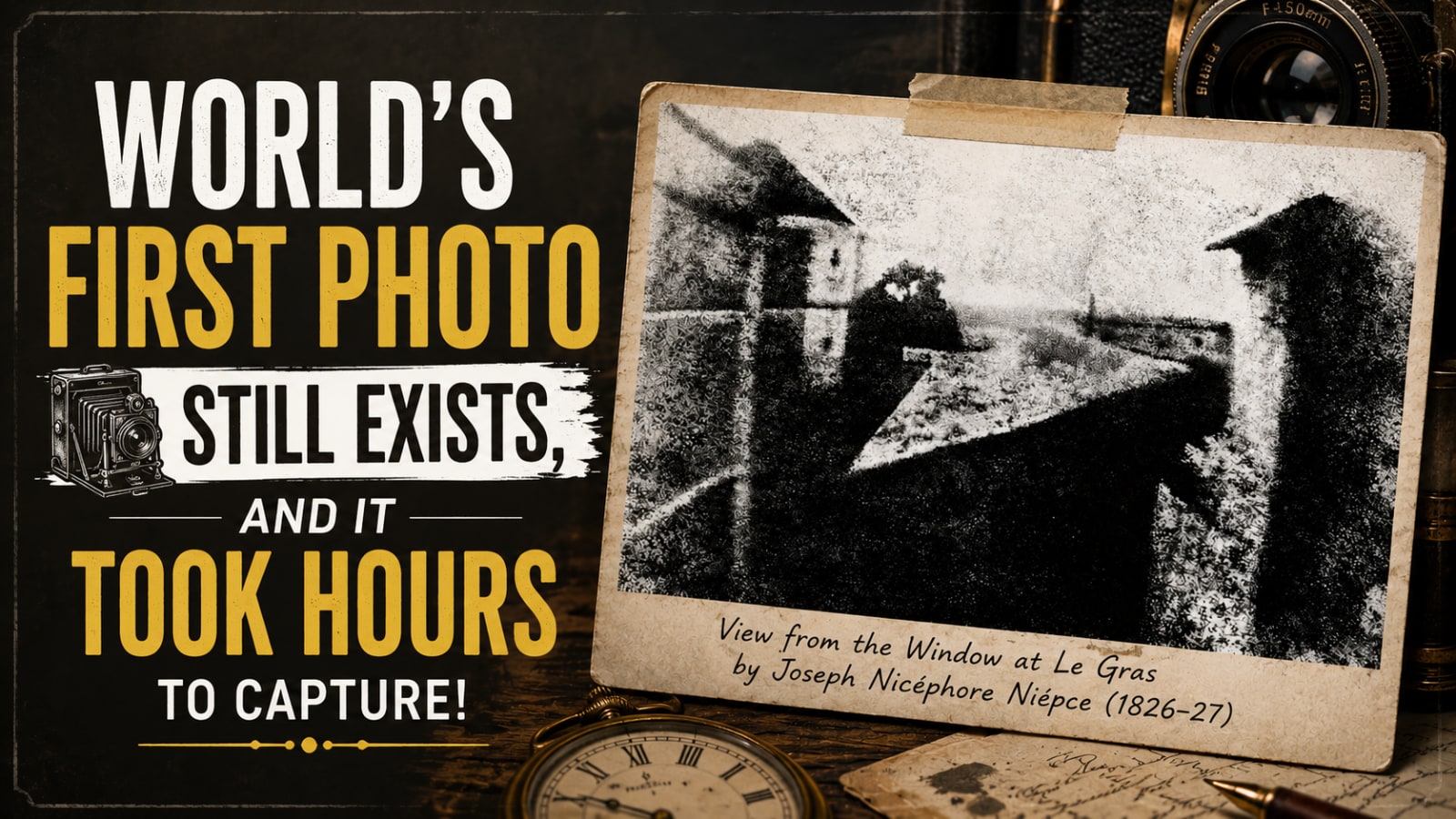
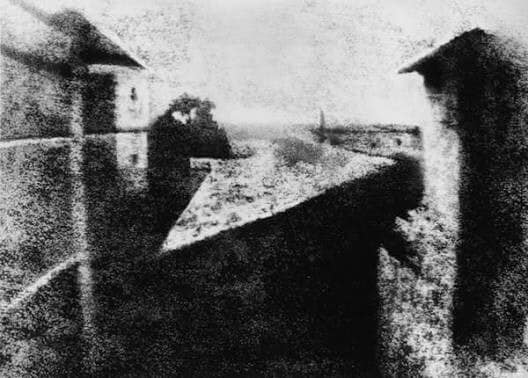
French inventor Joseph Nicéphore Niépce set out to solve this problem. Around 1826-1827, he coated a metal plate with a light-sensitive chemical and placed it inside a Camera Obscura, exposing it to sunlight for nearly eight hours. The result was ‘View from the Window at Le Gras,’ widely regarded as the world’s first surviving permanent photograph. Though grainy by today’s standards, it marked the birth of photography as we know it.
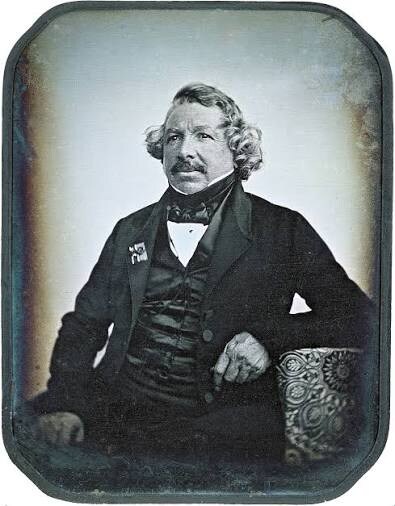
Following Niépce’s death, fellow French inventor Louis Daguerre, who had collaborated with him, continued refining the process. His efforts led to the invention of the Daguerreotype, a photographic technique that used silver-coated copper plates. This breakthrough reduced exposure times from several hours to just a few minutes, making photography far more practical and accessible.
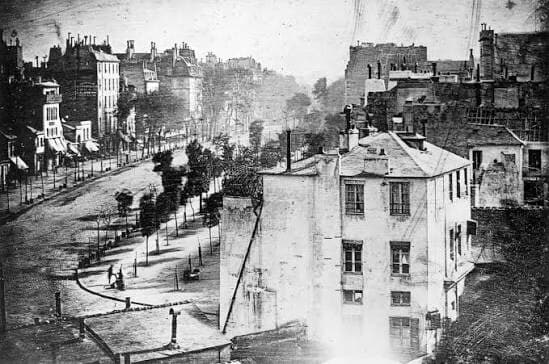
The year 1839 became a landmark in photographic history. The French government acquired the rights to Daguerre’s invention and made the technology freely available to the public instead of restricting it through a patent.
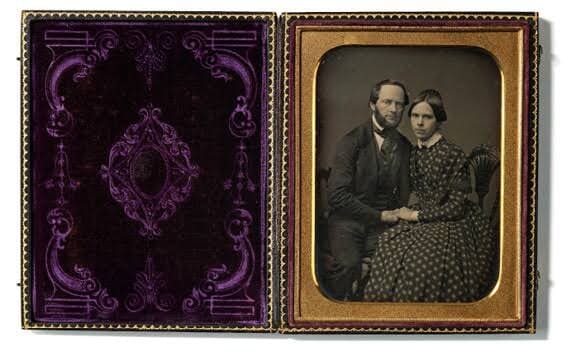
The decision accelerated the spread of photography across the world and is widely regarded as the moment photography officially entered the modern era.
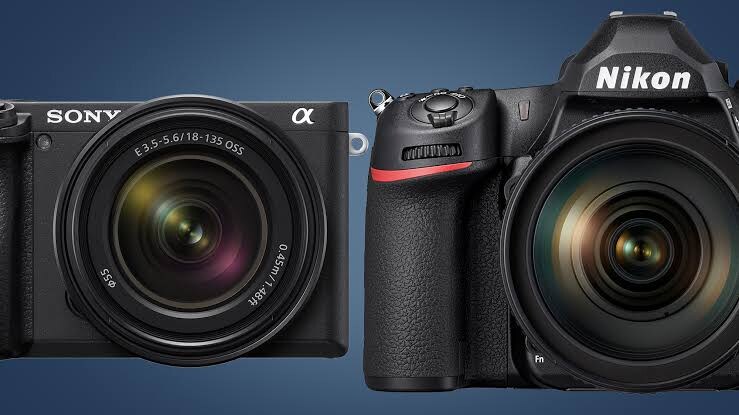
Today, photography has evolved through film cameras, SLRs, DSLRs, mirrorless systems and AI-powered smartphones capable of producing stunning images in an instant. Despite these remarkable advances, the fundamental principle remains unchanged: using light to record an image. Every photograph captured today traces its origins back to Niépce’s pioneering eight-hour experiment and the innovations that followed, laying the foundation for the cameras we now carry in our pockets.