
Toddlers who ate iron- and zinc-biofortified pearl millet for nine months did not experience adverse effects typically associated with increased iron intake and developed gut microbiomes with distinct and potentially beneficial changes, according to a new study led by researchers at Cornell University’s Joan Klein Jacobs Center for Precision Nutrition and Health.
The findings, published in Nature Communications, represent what the researchers believe is one of the first studies to examine how biofortified crops affect the human gut microbiome.
Iron deficiency affects roughly one in four people worldwide and hits young children especially hard, slowing brain development and leaving the body vulnerable to infection. The standard fix – iron supplements – works. But it comes with a catch.
Previous research has found that supplements can disrupt the gut’s bacterial ecosystem, boosting populations of harmful pathogens in the colon while inhibiting the growth of beneficial microbes, and also causing symptoms like diarrhea, constipation and tarry stools.
We thought that a food-based approach could help us move away from one-size-fits-all supplementation strategies to address population health, while also being a way to personalize nutritional interventions. So, we decided to test it.”
Dr. Saurabh Mehta, founding director at the Jacobs Center and principal investigator on the study
The researchers worked with growers to develop a pearl millet variety packed with nearly three times the iron and more zinc than standard millet through traditional cross-breeding.
The trial enrolled 223 children between 12 and 18 months old in Mumbai, India, where iron deficiency and anemia remain stubbornly common.
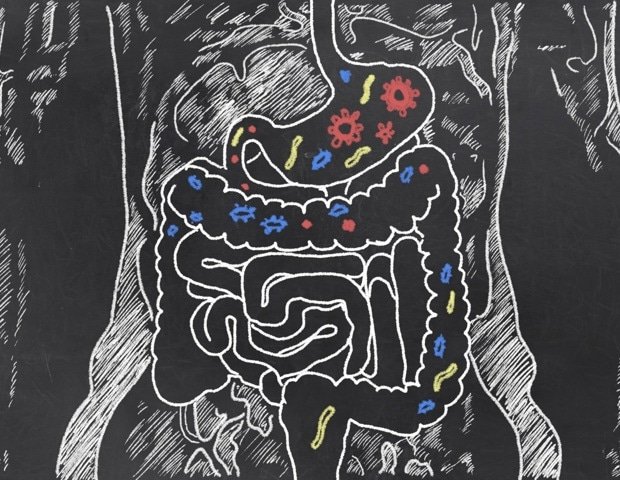
Children eating the biofortified millet showed increased activity in microbial pathways associated with fighting pathogens, including the production of natural antibiotic-like compounds, and with antioxidant metabolism, which helps maintain a healthier gut environment. At the same time, markers linked to harmful bacteria were lower in their guts by the study’s end.
Unlike supplements, which require distribution infrastructure and depend on consistent behavior, biofortified crops can be grown and eaten the same way ordinary crops are and may offer a self-sustaining approach to improving nutrition.
The millet-based foods and recipes were developed with the help of SNDT Women’s University in India, and delivered to 20 different sites in partnership with the Centre for the Study of Social Change, a Mumbai-based NGO.
Source:
Journal reference:
Huey, S. L., et al. (2026). Effect of a complementary feeding intervention based on iron- and zinc-biofortified pearl millet on the gut microbiota in 12–18-month-old children: a randomized trial. Nature Communications. DOI: 10.1038/s41467-026-75674-6. https://www.nature.com/articles/s41467-026-75674-6