Microsoft’s data centre footprint in India has evolved from a three-city launch in 2015 into a $20.5 billion, four-region operation over roughly a decade. With India’s public cloud spending forecast by IDC to reach $45.7 billion by 2030, and Azure already posting double-digit growth in the country over the past two years, this Hyderabad launch looks less like a finish line and more like Microsoft positioning itself for the next phase of India’s AI-driven cloud demand.
It Started With Three Cities in 2015
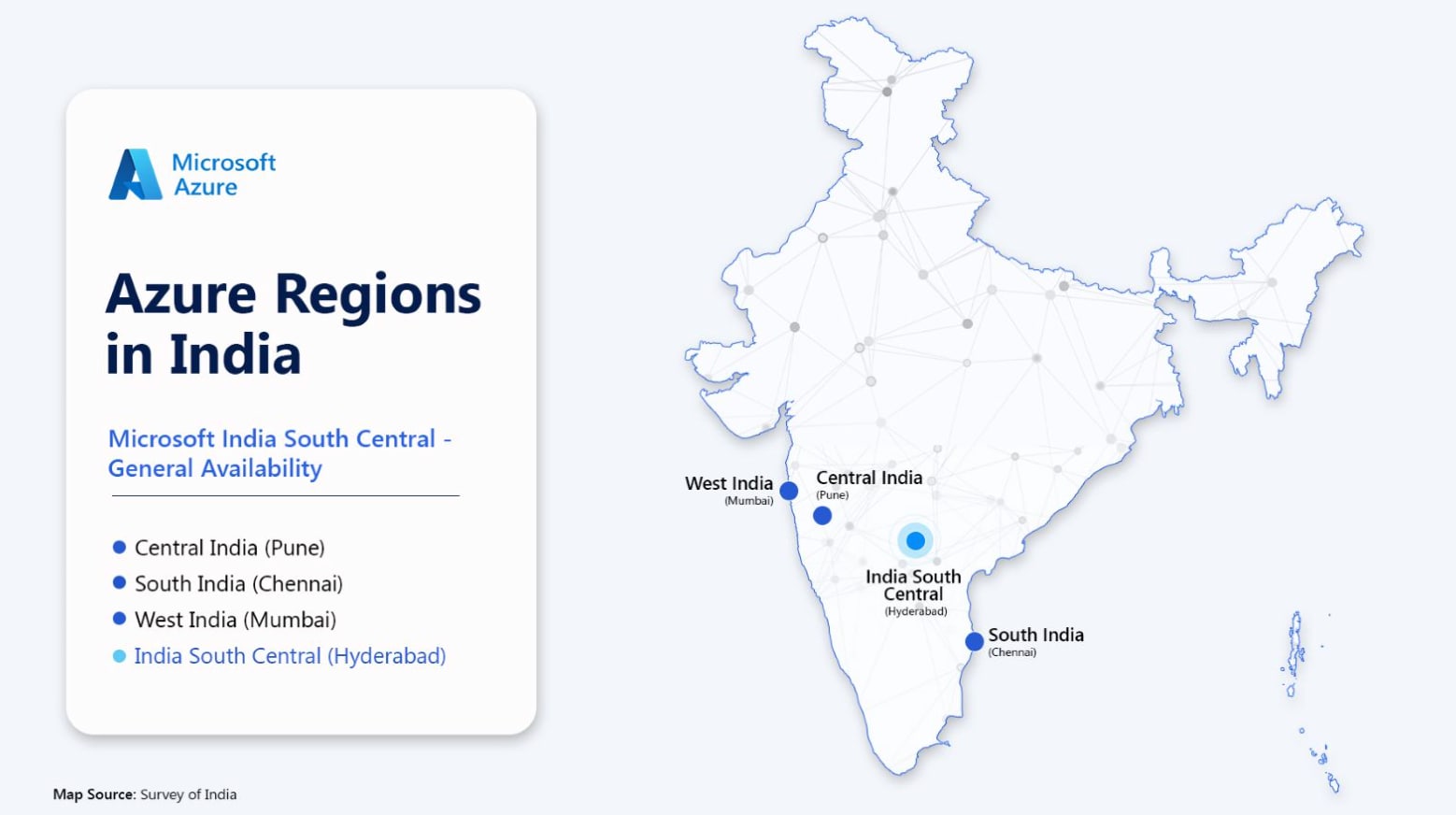
Microsoft’s data centre journey in India began in September 2015, when it launched Azure cloud services from three local facilities at once: Pune (Central India), Mumbai (West India), and Chennai (South India). The launch made Microsoft the first major US hyperscaler to offer commercial public cloud services entirely hosted within India, notably arriving ahead of both Amazon Web Services and Google Cloud, neither of which had a local India presence at the time.
The Roots Go Back Further Than the Data Centres
Microsoft actually set up its India operations way back in 1990, more than two decades before its first data centre went live. Today, Microsoft’s India workforce spans over 18,000 employees across 11 cities, including Bengaluru, Hyderabad, Mumbai, and Pune.
Reliability Got a Major Upgrade in 2021
To meet growing demand for high availability, Microsoft added Azure Availability Zones to its Central India region in Pune in December 2021, physically separated data centre clusters within the same region designed to keep applications running even if one zone fails. This made Central India the country’s most resilient Azure region at the time, built with disaster recovery and seismic-zone coverage in mind. (Image: Representative/Pexels)
Hyderabad Was First Announced in 2022
Microsoft first revealed its intent to build a fourth India data centre region in Hyderabad back in March 2022, positioning it as an addition to the existing Pune, Mumbai, and Chennai network. The original investment commitment for this specific facility was pegged at over Rs 15,000 crore over 15 years, with Telangana’s then IT Minister KT Rama Rao calling it one of the largest foreign direct investments the state had ever attracted. (Image: Representative/ Pexels)
The Timeline Slipped, Then Got Confirmed
Microsoft initially expected the Hyderabad facility operational by 2025. That shifted to a “mid-2026” target when the company’s December 2025 investment announcement reconfirmed the project. It finally went fully live on August 6, 2026, roughly on schedule with that revised target. (Image: Representative)

The Investment Has Grown to $20.5 Billion
Microsoft’s India cloud and AI commitment has scaled up substantially in stages: a $3 billion investment announced in January 2025, followed by a much larger $17.5 billion commitment in December 2025, bringing the combined total to $20.5 billion, covering infrastructure, skilling programmes, and ongoing operations through 2029. (Image: Representative/ Pexels)

Zero-Water Cooling Sets Hyderabad Apart
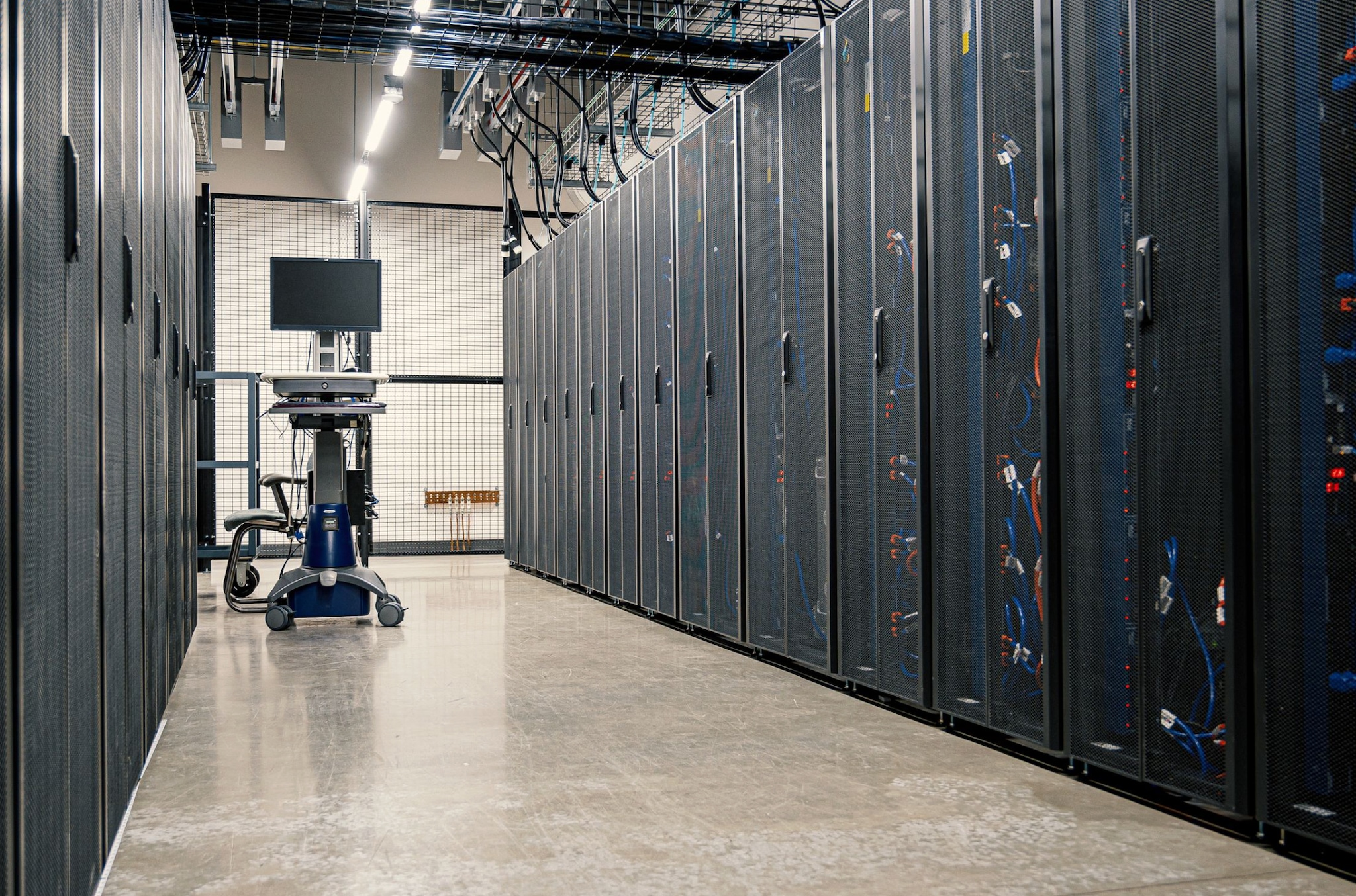
One of the more technically distinctive features of the new Hyderabad facility is its next-generation zero-water cooling system, part of Microsoft’s global commitment to become water-positive by 2030. This matters increasingly for hyperscale data centres, which have historically consumed large volumes of water for traditional cooling.(Image: Representative/ Pexels)
How Big Is It, Really?
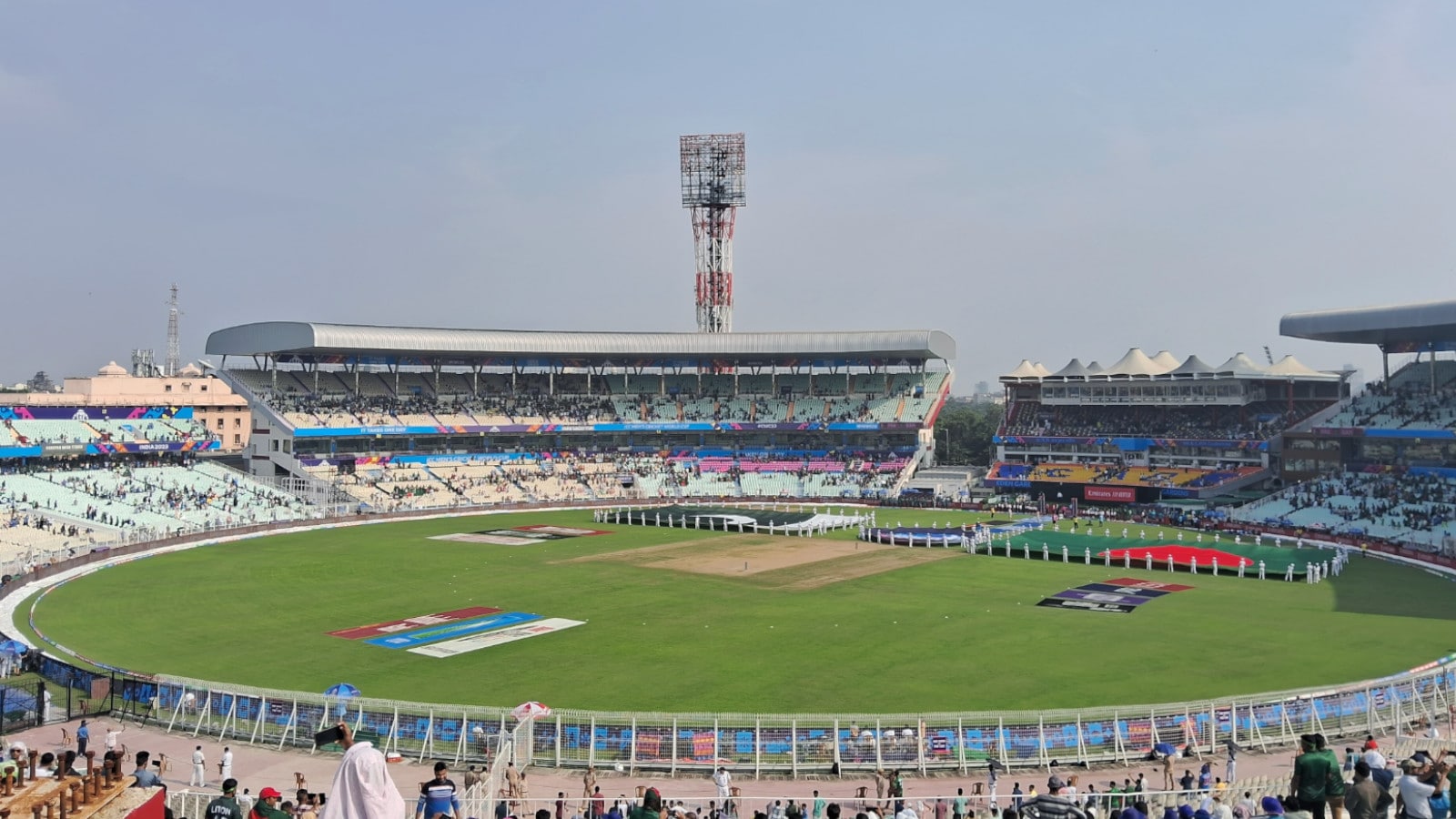
The Hyderabad facility is built across three Availability Zones and has been described in earlier Microsoft commentary as roughly the size of two Eden Gardens cricket stadiums, giving a genuine sense of scale for a facility Microsoft says will eventually become its largest in the country.
Who’s Actually Using It
Even in early access, Hyderabad has already attracted a notable customer base spanning financial services and large conglomerates, including Adani Group, Bajaj Finserv, HDFC Bank, and PB Pay. Adani Group specifically credited the region with supporting its ongoing digital transformation work, while banking sector customers pointed to improved data residency and scalability for AI-driven financial services.

Four Regions, Plus Two More Through Jio
With Hyderabad live, Microsoft now operates four full cloud regions in India: Central India (Pune), South India (Chennai), West India (Mumbai), and India South Central (Hyderabad). On top of that, it runs two additional data centres through a partnership with Reliance Jio, Jio India West and Jio India Central, giving Microsoft what it describes as the largest hyperscale cloud presence of any provider in the country. (Image: Representative/ Pexels)