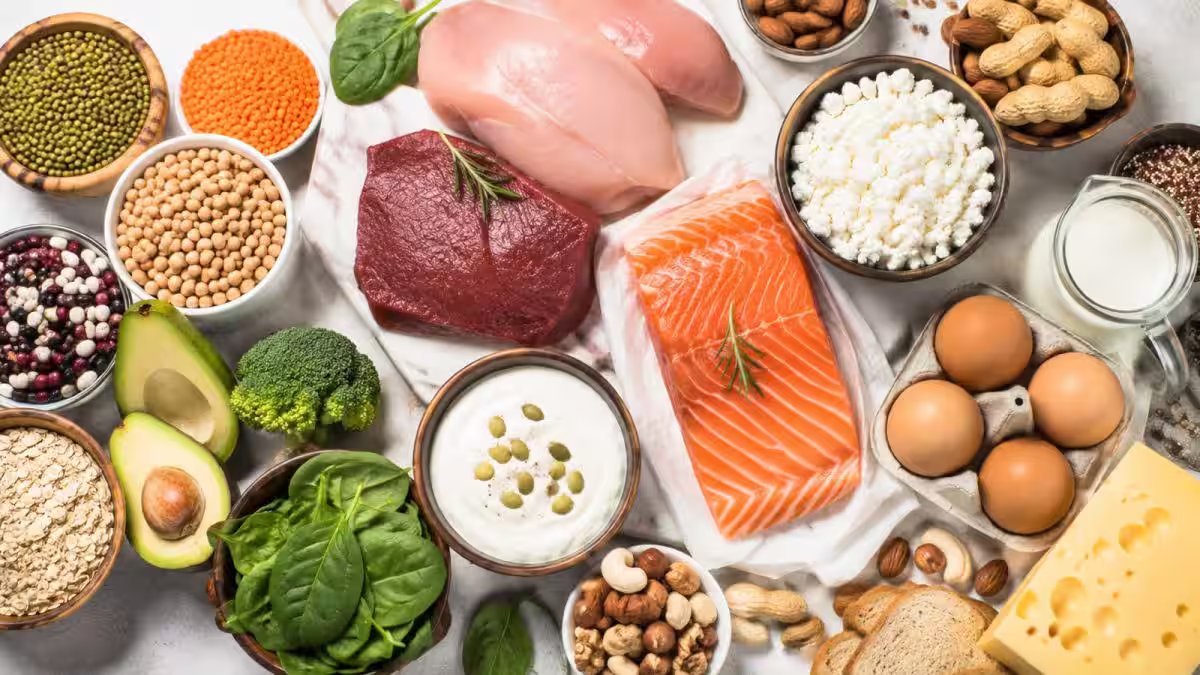
High-protein diets are trending, but experts say more is not always better. Here’s what the latest research and doctors say about how much protein you really need
Protein is the darling of the diet world right now.
With high-protein meal plans, protein coffee and protein chips flooding social media, many people assume that if a little protein is good, then more must be better. But the science is more complicated than that.
What recent research suggests
A 2024 study in Nature Metabolism raised questions about whether very high protein intake, and particularly high leucine intake, may activate biological pathways involved in atherosclerosis.
However, the evidence was largely mechanistic or based on animal models, and the study did not show that high-protein diets cause early death in humans.
“As physicians, we need to interpret such studies with caution,” says Dr Mohit Sharma, Senior Consultant, Internal Medicine, Amrita Hospital, Faridabad. “Long-term health effects depend on the quantity consumed, the source of protein, the overall diet and the individual’s medical condition.”
Why protein matters to the body
Protein is essential for the body. It helps to repair tissues, build and maintain muscle, support immunity and maintain strength as we age.
“Protein plays a fundamental role in almost every physiological function,” explains Dr Sharma. “But unlike fat and carbohydrate, there is no special depot in the body for surplus protein.”
“They are used in tissue repair and other vital functions, and any excess above the body’s requirements is broken down, with nitrogen-containing waste largely eliminated by the kidneys,” he adds.
 More from Lifestyle
When high protein intake can be risky
Not everyone benefits from a high-protein diet. Certain groups need to be especially cautious.
“People with chronic kidney disease, or those with diabetes or hypertension complicated by kidney damage, should not consume high-protein diets unless advised by their doctor or dietitian,” warns Dr Sharma.
At the same time, he points out that the evidence linking higher protein intake to kidney disease in healthy adults remains less certain.
Does the source of protein matter?
Emerging research highlights that where protein comes from may be just as important as how much is consumed.
“Larger observational studies suggest that lower intake of processed or red meat and higher intake of plant-based protein are associated with a reduced risk of premature death and cardiovascular disease,” says Dr Sharma.
“This does not mean all animal protein is harmful. Fish, eggs, dairy and lean poultry can be part of a balanced diet. What matters more is the source and the overall dietary pattern,” he notes.
One size does not fit all
Protein requirements vary widely depending on age, health status and lifestyle.
“A young athlete, an older adult recovering from illness and a person with kidney disease all have very different nutritional needs,” explains Dr Sharma.
“Following a high-protein plan recommended by a fitness influencer without considering your own health, activity level and medical conditions can do more harm than good,” he cautions.
Finding the right balance
The goal is not to consume as much protein as possible, but to meet the body’s needs without unnecessary excess.
“Most healthy adults can meet their requirements through a balanced diet that includes pulses, dairy, eggs, fish, lean poultry, soy, nuts and seeds,” says Dr Sharma.
“Some individuals, such as athletes, older adults, pregnant women or those recovering from illness, may require more, but this should always be individualised,” he adds.
The bottom line on protein
Food trends may change, but the body’s needs remain consistent.
“The key message is balance,” concludes Dr Sharma. “Protein is important, but more is not always better. It is far more important to consume the right amounts, from the right sources, within an overall healthy diet, rather than chasing extreme targets.”