Why do diseases like ALS and Huntington’s become far more common as people grow older?
Scientists have long known that ageing is the biggest risk factor for many neurodegenerative disorders. What they haven’t fully understood is why ageing makes the brain more vulnerable in the first place. Now, researchers believe they may have found an important piece of that puzzle.
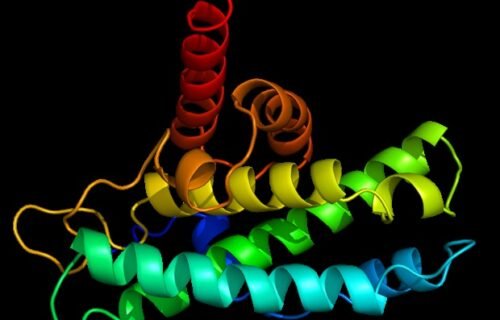
A new study has identified a protein called EPS8 that appears to switch on harmful processes leading to the buildup of toxic proteins inside nerve cells, a hallmark of several devastating brain diseases.
Here’s what the research found.
Researchers identified EPS8, a protein that accumulates as the brain ages, as a potential molecular trigger linking ageing to neurodegenerative diseases. As EPS8 levels rise, it activates cellular signalling pathways that encourage toxic proteins to clump together inside nerve cells. These protein aggregates are a defining feature of disorders such as amyotrophic lateral sclerosis (ALS) and Huntington’s disease.
Scientists have known for decades that ageing is the strongest risk factor for many brain diseases. Until now, however, the biological mechanism connecting ageing to these illnesses has remained poorly understood. The new study suggests EPS8 could be one of the molecular links connecting the two.
The research team studied the tiny roundworm Caenorhabditis elegans, a widely used model organism in ageing research because many of its cellular pathways are remarkably similar to those found in humans. They found that EPS8 levels naturally increased as the worms aged. As the protein accumulated, toxic protein clumps became more common, damaging neurons and shortening lifespan.
When researchers lowered EPS8 activity, the results were striking. Toxic protein aggregates formed far less frequently, nerve cells remained healthier and neurological function was preserved for longer in worm models of ALS and Huntington’s disease.
Yes. The researchers repeated the experiments using human cell models of ALS and Huntington’s disease. Reducing EPS8 produced similar results, preventing the buildup of toxic protein aggregates inside the cells. That suggests the mechanism identified in worms may also be relevant in humans.
No. The study does not present a treatment or cure. Instead, it identifies EPS8 as a promising biological target that future therapies could potentially focus on. Researchers also emphasise that they still do not fully understand exactly how EPS8 triggers protein aggregation.
If future studies confirm these findings, drugs designed to block or regulate EPS8 could potentially slow the progression of age-related neurodegenerative diseases. Such therapies remain years away, but the discovery provides scientists with a new direction in the search for treatments.
Protein aggregation is a hallmark of several neurodegenerative disorders, not just ALS and Huntington’s. Although this study focused on those two diseases, understanding how ageing drives toxic protein buildup could eventually help researchers tackle a broader range of conditions associated with brain ageing.