A Parliamentary Committee has recommended including the newly approved Qdenga dengue vaccine in the Universal Immunisation Programme (UIP) and deploying AI-based early warning systems to strengthen India’s response to vector-borne diseases such as dengue, malaria and chikungunya.
The committee also called for increased public-private investment in research and development, stronger genomic surveillance of vectors and pathogens, and the creation of a National One Health platform to enable real-time data sharing among institutions including the Indian Council of Medical Research (ICMR), Indian Council of Agricultural Research (ICAR) and state agencies.
It recommended integrating weather forecasts from the India Meteorological Department (IMD), satellite data, GIS mapping and vector surveillance to identify disease hotspots and issue district-level alerts ahead of outbreaks. The panel suggested using artificial intelligence and machine learning through the Integrated Health Information Platform (IHIP) to improve outbreak prediction and resource planning.
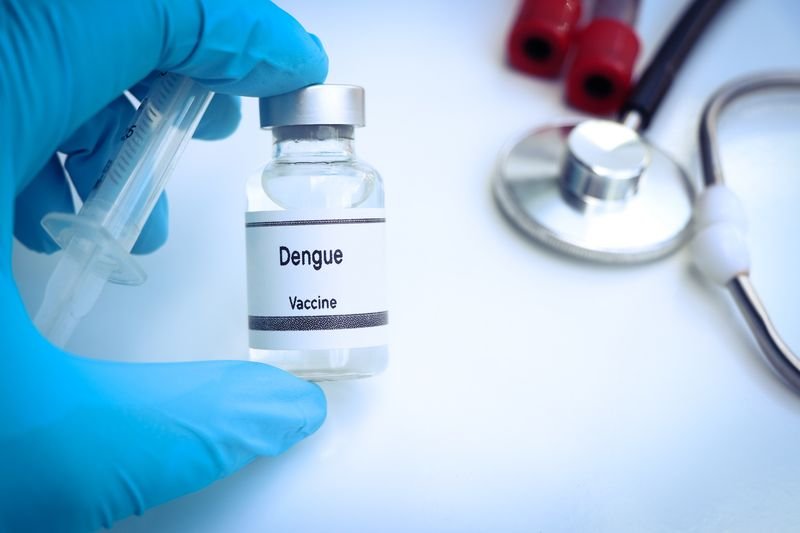
The recommendations follow the approval of Qdenga by the Central Drugs Standard Control Organisation (CDSCO) and the Drug Controller General of India (DCGI), making it India’s first preventive dengue vaccine. The vaccine is expected to be commercially available by mid-2027 and can be administered to individuals aged 4 to 60 years in two doses given three months apart.
Highlighting the continued burden of vector-borne diseases, the committee said environmental, socio-economic and infrastructure challenges have limited the impact of existing measures such as fogging and mosquito control. It called for a stronger Integrated Vector Management (IVM) approach combining chemical, biological and environmental interventions.
The panel recommended a time-bound national roadmap to eliminate vector-borne diseases, with a focus on research, healthcare infrastructure, community participation and public awareness. It also pointed out gaps in vaccination coverage, noting that while dengue, malaria and chikungunya vaccines are available globally, India currently provides free vaccination only against Japanese Encephalitis under the UIP.
The committee further called for standard treatment protocols for severe dengue cases, including Dengue Haemorrhagic Fever and Dengue Shock Syndrome, and urged ICMR to intensify research on emerging vector-borne diseases.
It also highlighted the need for a dedicated disease-control strategy for the Northeast, including stronger surveillance, improved diagnostics, cross-border coordination, trained entomologists and wider community awareness programmes.