Today, the High Court heard detailed submissions in the case for over two hours.
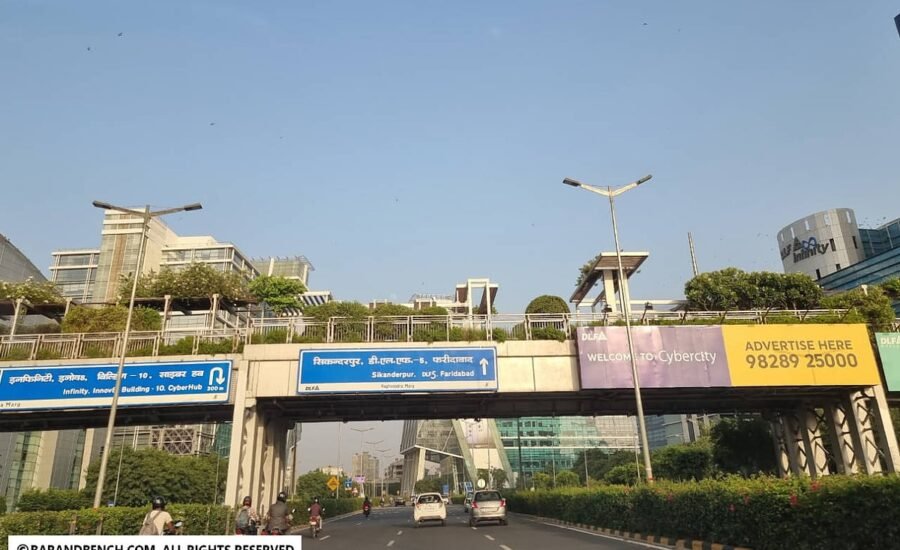
The Court observed that roads and the initial planning of a township are usually conceptualised while considering a set of particular norms. It went on to flag the issues that arise when constructions are permitted to expand beyond the planned norms.
“When you permit it and allow four floors to come… because land is getting expensive and nobody wants to leave an inch of this land. When you have four dwelling units and there are four families… every family would be having one car… so much of crime has increased in the society because of that. Relationships between neighbours have strained, everybody wants to park his car and doesn’t want anybody else to park. These are the stark realities,” it observed.
The Court added that, in contrast, Chandigarh city has survived these problems only because the authorities are following building norms. It said when Swiss-French architect Le Corbusier designed Chandigarh, he kept road width wider even if the pathways were then created for lesser number of people.
However, the roads built now are much narrower, the Court said.
“Most of the townships have failed to serve the purpose for which they were created,” the Court went on to note.
The Court also observed that nowadays, the situation is such that people have one plan for getting a map sanctioned and another for the regularisation of illegalities.
“They have everything in mind. To what extent we can go,” it said.