
New Delhi:
UPI transactions, currently free of charge, may soon have a price tag.
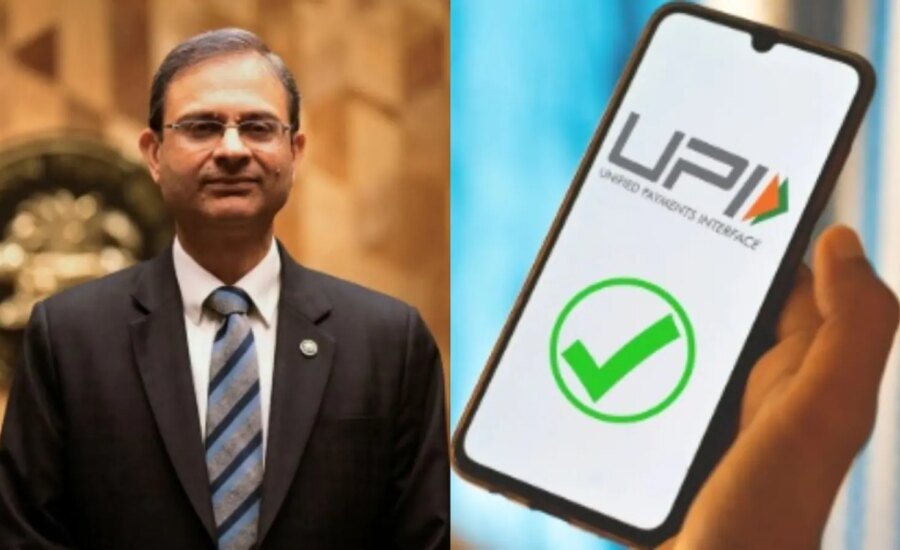
In a press conference after announcing the repo rate on Wednesday, RBI Governor Sanjay Malhotra was asked if there will be charges on UPI transactions. Responding to this, he said, “It is very premature to talk right now. The government is still carrying out the amendment. The costs have to be paid by someone. We all want that this public infrastructure should continue to strengthen. Let’s wait and watch for further developments on this.”
The statement comes amid reports that a Merchant Discount Rate (or MDR) might be levied on UPI transactions. “The cost is already getting passed on. It may not be directly on to the very user, but someone is paying the cost. This is what I meant when I said someone will have to pay the cost. What is important is that we continue to invest and we continue to find the means, whether it is MDR or other things. Let’s wait and see how the situation evolves,” the RBI governor added.
Why Put A Charge On UPI Transactions
UPI feels free. Tap, pay, done. No fee, no fuss.
But behind the scenes, banks and payment companies absorb real costs to keep that system running. Since January 2020, they haven’t been allowed to charge merchants an MDR on UPI transactions. The government stepped in with subsidies instead.
That subsidy hasn’t kept pace with the boom. UPI has exploded. Billions of transactions every month, worth lakhs of crores of rupees. And the incentive payouts cover only a slice of what banks and payment firms actually spend to keep the rails running.
So the question the government is now asking: should merchants start paying again?
Here’s where it gets specific. Finance Minister Nirmala Sitharaman has tabled changes to the Payment and Settlement Systems Act in Parliament. The amendment opens the door for MDR to return on select UPI transactions.
The proposal being discussed is — an MDR of 0.3 per cent to 0.5 per cent, applied only on transactions above Rs 2,000, and only for larger merchants crossing a turnover threshold. Small shopkeepers and everyday consumer transfers are expected to stay untouched.
Simplistically, if you’re paying your local vegetable vendor, nothing changes. If a big retail chain is billing you above Rs 2,000, the merchant might start paying a small fee to process that payment. Not you. The merchant.
So, it’s not a UPI tax on users. It’s a fee on the business accepting the payment, on big-ticket transactions only.
What The Governor Actually Meant
Malhotra has walked a careful line on this. He’s stopped short of confirming charges for consumers. What he has confirmed is the economics underneath UPI.
Running a payments network this size isn’t free. Servers, infrastructure, fraud checks, settlement systems — all of it costs money. Right now, the government picks up part of that tab through subsidies. The rest is quietly absorbed by banks and payment service providers.
Malhotra’s point was straightforward: that arrangement can’t stretch indefinitely. Somewhere, the money has to come from. Whether that’s the government, the merchant, or eventually the customer is the real debate.