
Samsung believes the next big change in mobile computing may not be a new smartphone form factor. Instead, it could be a shift in how often users need to physically take their phones out and interact with them.
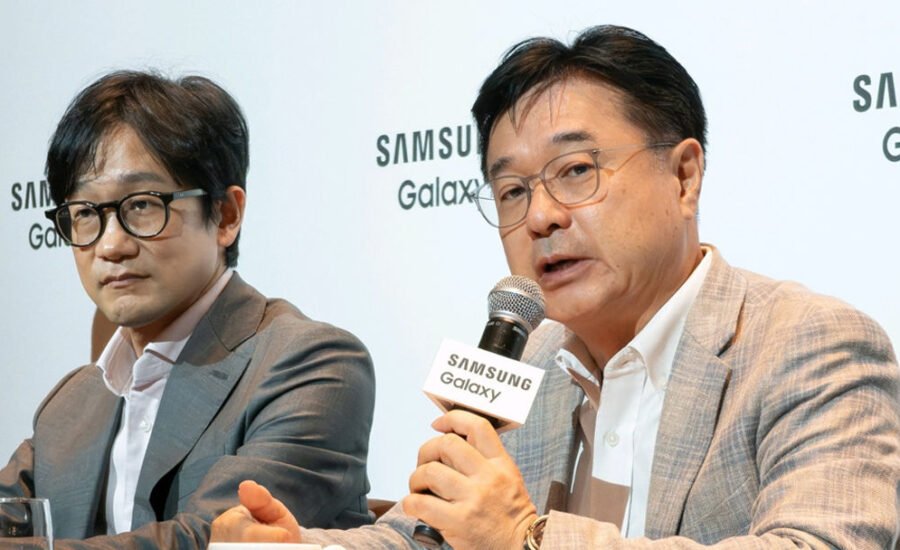
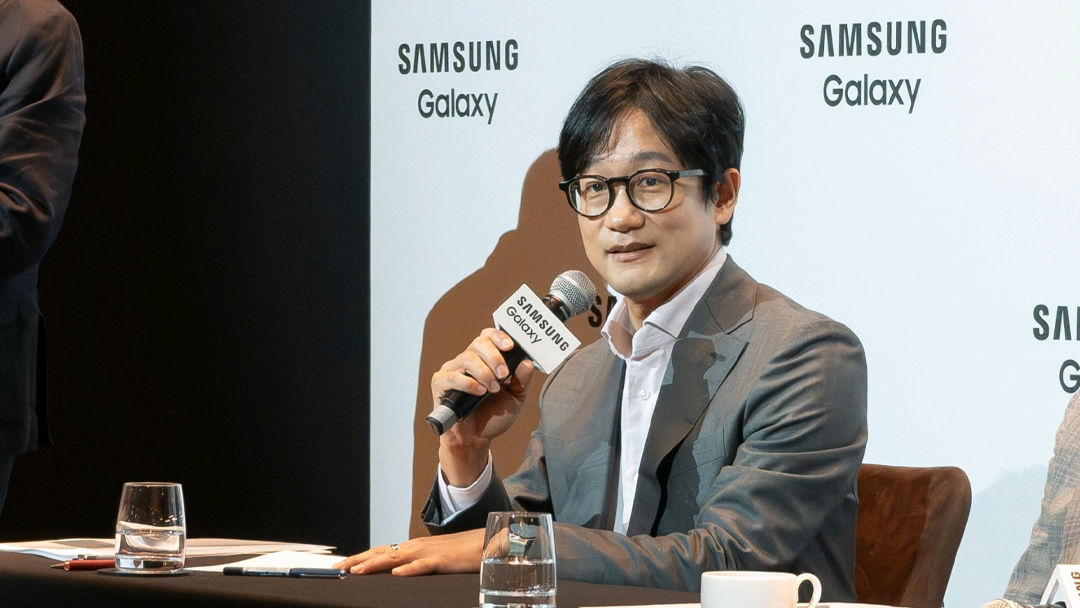
Speaking in response to a question from MySmartPrice at an AI roundtable, Jay Kim, Corporate EVP and Head of the Customer Experience Office at Samsung Electronics’ MX Division, said smartphones and PCs would continue to serve as the primary computing hubs in the AI era. Glasses, however, could emerge as a new interface that allows users to access the intelligence and information on their phones without constantly looking at a screen.
Samsung is not describing a future in which AI glasses make smartphones obsolete. Its vision is closer to making the phone less visible in everyday interactions, while retaining it as the device that supplies the processing power, personal data, and connectivity required by the glasses.
The Smartphone Will Remain the Computing Hub
Samsung currently sees smartphones and PCs as the two most important devices for AI. Phones remain central when users are on the move, while PCs continue to handle more productivity-focused tasks.
Watches and glasses are expected to play more specialised roles around these primary devices. A smartwatch, for example, is constantly in contact with the user and can collect health and wellness data relating to sleep, heart activity and exercise. Glasses serve a different purpose by bringing contextual intelligence directly into the user’s field of view.
According to Kim, the eye-level position of a camera is what makes glasses particularly valuable. Since the camera can see roughly what the wearer is looking at, the system can potentially understand the user’s immediate context and surface relevant information at the right moment. The glasses could consequently act as both an input and output interface for the smartphone.
In practical terms, users may no longer need to unlock a phone, open an app and enter a command for every task. The glasses could recognise the environment, understand what the person is trying to do and draw the required information or processing capabilities from the phone.
Samsung Does Not Want Glasses to Become Phones for Your Face
Simply transferring all smartphone hardware into a pair of glasses would create another problem. Eyewear needs to be light, comfortable and suitable for extended use. It is also worn prominently on the face, which means design and personal style are more important than they may be for several other categories of wearable technology.
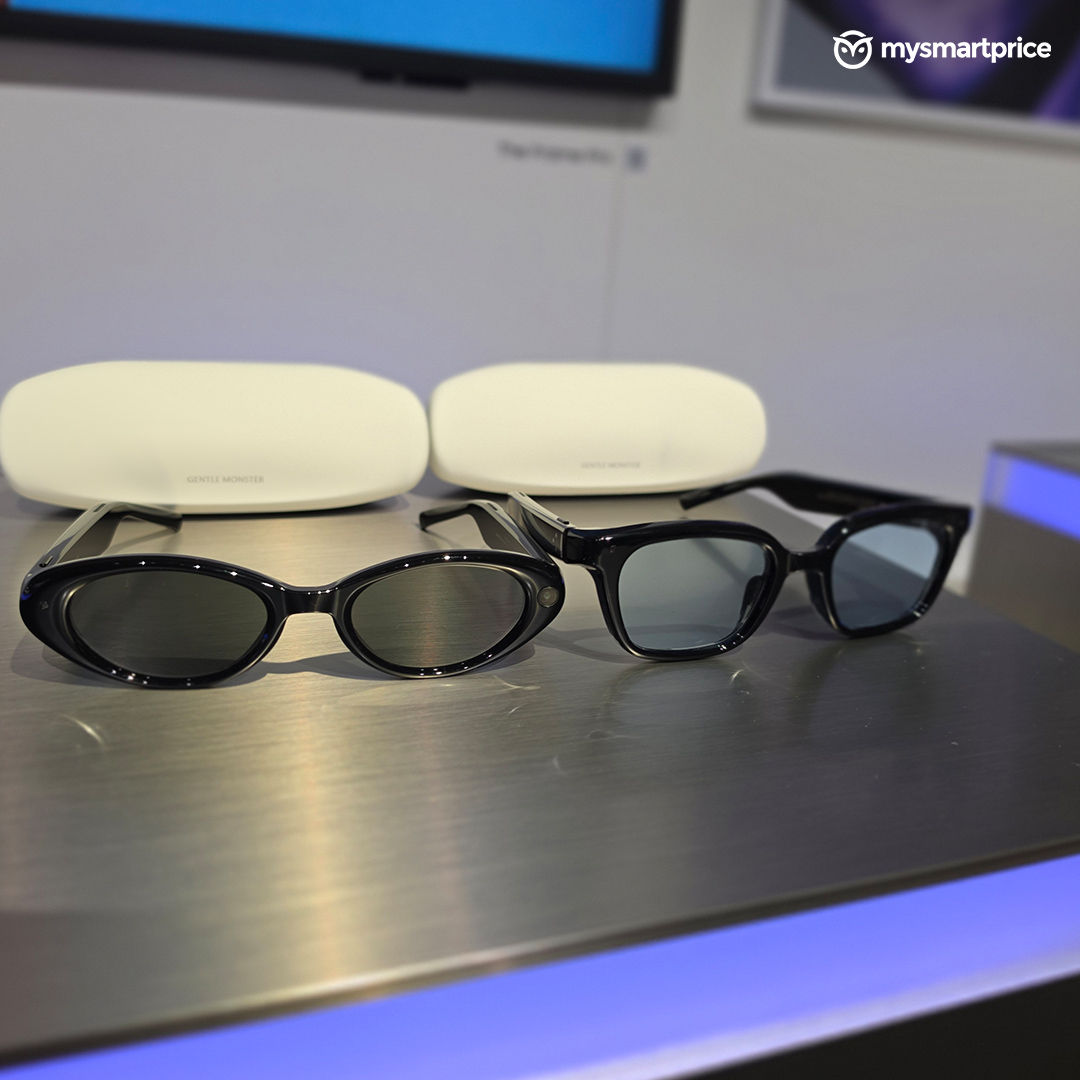
Samsung believes these requirements make it necessary to split computing tasks between the glasses and the smartphone. Processing-intensive work can be handled by the phone, allowing the eyewear to remain lighter while potentially improving battery life.
Kim said the system would need to intelligently manage when the glasses sleep, wake and begin processing information. He acknowledged that this remains a complicated engineering challenge and suggested that the wider industry has not yet addressed it adequately.
The phone, therefore, is not being pushed out of Samsung’s AI ecosystem. It becomes even more important as the computing engine behind lighter devices that may not have enough processing power of their own.
“The processing power has to be offloaded somewhere else,” Kim explained, adding that this is why the smartphone would continue to play a central role. What could change is the way people interact with it.
AI Could Reduce the Need to Jump Between Apps
Samsung’s glasses strategy also connects with its wider move towards agentic AI, where software completes tasks for users instead of merely providing answers.
Kim said traditional apps are unlikely to disappear, but the way people use them may evolve. Users currently move between multiple apps to complete even relatively simple tasks. Agentic systems could handle parts of that process on the user’s behalf, reducing the number of steps and the amount of time spent navigating interfaces.
Samsung has already begun experimenting with this direction through Automation on the Galaxy S26. The system can understand what is happening on the screen and allow an AI agent to move through a process, such as initiating an Uber booking for the user.
Kim admitted that the implementation is not yet perfect, describing it as an early step towards a more seamless agentic interface. Samsung is also exploring how voice, vision and wearable devices can collectively become part of the user interface, rather than keeping every interaction confined to a smartphone display.
Glasses could be particularly relevant here because they combine several of these elements. They can capture visual context, receive voice commands and provide information without requiring the user to hold another device.
Samsung Is Building Around the Phone, Not Beyond It
Samsung has previously described the phone as the centre of its wider AI experience. Kim said wearables are meant to extend that experience rather than move users away from smartphones entirely.
The goal is to let people complete certain tasks without always reaching for their phones. Glasses could access information stored on or processed by the handset, while their eye-level camera provides the visual context required to make those interactions more useful. Samsung is developing this experience in collaboration with Google and Qualcomm.
Samsung’s approach differs from the idea of glasses as a completely independent computing platform. A standalone device would require greater processing power, larger batteries and additional hardware, all of which could make it heavier and less comfortable.
Using the smartphone as the backend allows Samsung to pursue a more practical version of AI eyewear. The glasses become the interface users see and interact with, while the handset quietly manages much of the computing underneath.
Future of Galaxy Devices
Samsung’s current direction suggests that the next phase of mobile AI will not necessarily be measured by how many new features are added to the phone itself. It may instead be defined by how effectively the phone distributes its capabilities across watches, Buds, glasses and other connected devices.
The smartphone will continue to hold the user’s apps, personal information and much of the processing power. The difference is that people may not need to look at it as frequently.
Samsung’s AI glasses are therefore less of a smartphone replacement and more of an attempt to make smartphone intelligence available without the screen becoming the centre of every interaction. Should Samsung solve the challenges around weight, comfort, battery life and contextual accuracy, the phone could gradually move from being the device users constantly hold to the computing hub that quietly powers everything around them.