Cancer was once considered largely a disease of older adults, but that is rapidly changing. Today, more people in their 20s, 30s and 40s are being diagnosed with cancers once associated with later life. While genetics remain a factor, lifestyle and environmental influences are increasingly driving this trend. According to the World Health Organization (WHO), nearly 40% of cancers are linked to preventable risk factors, highlighting the importance of healthy habits, greater awareness, and timely screening for early detection.
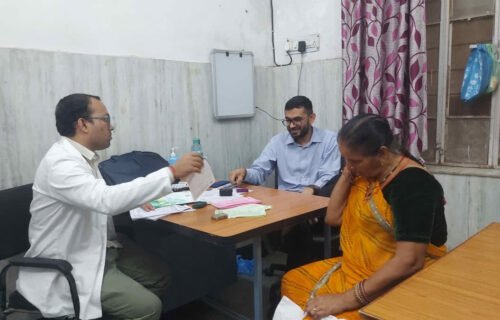
In an interview with HT Lifestyle, Dr Ankur Nandan Varshney – senior consultant, medical oncology at Medanta Hospital, Noida – explains, “We are seeing more young patients walk into oncology clinics than we did a decade ago. While improved awareness and diagnostics explain part of this increase, unhealthy lifestyle habits are also playing a significant role. Cancer is no longer something that only older adults need to worry about.”
Cancers rising among younger adults
Although cancer remains more common in older adults, doctors are seeing a noticeable rise in certain cancers among younger people. Breast, colorectal and oral cancers are among the most frequently diagnosed, while thyroid, cervical, testicular cancers, and blood cancers such as lymphoma and leukemia are also increasingly being detected in this age group.
Dr Varshney highlights, “The pattern of cancer is changing, with more younger adults being diagnosed with colorectal, breast and oral cancers. Lifestyle choices and delayed diagnosis are contributing factors, making it important not to ignore persistent symptoms at any age.”
Lifestyle risks that deserve attention
1. Tobacco remains the biggest culprit
Whether smoked or chewed, tobacco remains one of the strongest preventable causes of cancer. The oncologist notes, “Oral, throat, lung, oesophageal and bladder cancers continue to be closely associated with tobacco use. Many young people assume occasional smoking, vaping or smokeless tobacco products are relatively harmless. Unfortunately, there is no safe level of tobacco exposure when it comes to cancer risk.”
2. Obesity and physical inactivity
Modern lifestyles often involve long working hours, minimal physical activity and calorie-dense diets. Excess body weight has been linked to several cancers, including breast, colorectal, kidney and endometrial cancers. Dr Varshey suggests, “Regular exercise helps regulate hormones, reduces chronic inflammation and supports a healthy immune system – all of which contribute to lowering cancer risk.”
3. Ultra-processed diets and alcohol
The oncologist warns that frequent consumption of processed foods, sugary beverages and excessive alcohol can gradually increase the risk of several cancers. Diets low in fibre, fruits and vegetables may also negatively affect gut health, which has become an area of growing cancer research.
4. Poor sleep and chronic stress
According to Dr Varshney, while stress itself does not directly cause cancer, persistent stress often encourages unhealthy behaviours such as smoking, overeating, alcohol consumption and sleep deprivation. Poor sleep may also disrupt normal metabolic and immune functions, indirectly affecting overall health.
5. Ignoring early warning signs
Many younger adults dismiss persistent symptoms because they believe they are “too young” to develop cancer.
Dr Varshney outlines the warning signs that should never be ignored include:
- Persistent unexplained weight loss
- Blood in stool or urine
- A lump that continues to grow
- Non-healing mouth ulcers
- Persistent cough or hoarseness
- Changes in bowel habits
- Unusual bleeding or prolonged fatigue
He explains, “One of the biggest challenges is delayed diagnosis. Young adults often ignore symptoms or attribute them to stress or a busy lifestyle. Early evaluation can make a tremendous difference because many cancers are highly treatable when detected at an early stage.”
Prevention begins long before symptoms appear
Although not all cancers can be prevented, adopting healthier habits can significantly lower the risk of developing many types. The oncologist recommends quitting tobacco, consuming alcohol in moderation, staying physically active, maintaining a healthy body weight, eating a nutrient-rich diet with plenty of fruits and vegetables, getting vaccinated against HPV and hepatitis B when eligible, and following age-appropriate screening recommendations as important steps towards cancer prevention.
Dr Varshney concludes, “Cancer prevention isn’t about living in fear – it’s about making informed choices every day. Small lifestyle changes today, combined with timely screening and attention to unusual symptoms, can protect your health for years to come.”
Note to readers: This article is for informational purposes only and not a substitute for professional medical advice. Always seek the advice of your doctor with any questions about a medical condition.
Dr Ankur Nandan Varshney is a consultant medical oncologist with over 10 years of clinical experience at Medanta Hospital. He completed his MBBS and MD at the Institute of Medical Sciences, Varanasi, followed by a DM in Medical Oncology from AIIMS, New Delhi. His expertise includes cancer immunotherapy, breast, lung and gastrointestinal cancers, haematological malignancies, stem cell transplantation, and palliative care.