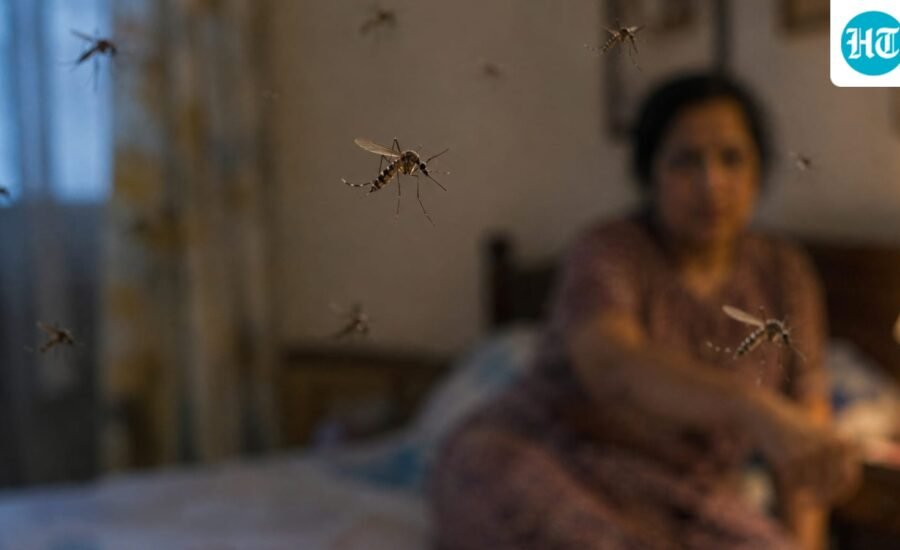
Are you someone who goes out in nature to enjoy some peace, but instead has to retreat back indoors immediately because you end up with multiple mosquito bites? Even indoors, you are the one who gets bitten, has to wear full-length clothes, or apply mosquito repellent, while your friends don’t have a single bite on themselves and roam freely without any worry.
Also Read | Everyday explained: Why Indian trucks have ‘Horn OK Please’ sign painted on the back
Why do mosquitoes bite some people more than others?
But have you ever wondered why some people get bitten more by mosquitoes? In an interview with HT Lifestyle, Dr Prajwal K C, consultant, internal medicine, Gleneagles BGS Hospital, explained that mosquitoes are attracted to certain chemical signals that humans naturally produce.
One of the strongest attractants is carbon dioxide, which is released with every breath. People who produce more carbon dioxide, such as adults, pregnant women, and those with larger body sizes, often attract more mosquitoes.
It’s not just these factors, Dr Prajwal added, “A person’s body odour is also important. The bacteria naturally present on our skin produce some substances that attract or repel mosquitoes. This is why certain people consistently experience getting bitten more than others, even when they are in the same environment.”
Body temperature and sweat are additional factors, according to Dr Prajwal. He explained, “Mosquitoes are attracted to warmth and sweat-producing substances like ammonia, uric acid, and lactic acid. People who are physically active or exercise regularly outdoors are prone to getting bitten more frequently.”
Lastly, it is a popular belief that your genetics or blood group affects whether you get bitten by a mosquito. However, Dr Prajwal countered that, although there is some evidence that genetics and blood groups also have a small influence on mosquito attraction, this is less significant than body odour, carbon dioxide production, and exposure to certain environments.
How can people safeguard themselves from mosquito bites?
If you get bitten by mosquitoes often, it is important to know how to protect yourself. Dr Prajwal suggests:
- Wear long-sleeved shirts, full-length trousers, and light-coloured clothes when going outdoors, especially in the morning and evening, when mosquitoes are most active.
- Applying mosquito repellents containing DEET, picaridin, or IR3535 on exposed body parts, according to the product’s instructions, is important as well.
- Use mosquito nets while sleeping, this is especially important for infants, elderly people and those who live in areas where there are more mosquitoes.
- Install doors and windows that reduce access of mosquitoes into homes.
- Don’t keep stagnant water around your home, like flowerpots, coolers and tyres. Mosquitoes often breed in these situations.
- Use regular electric vaporisers or approved insecticide sprays.
- Working at the community level to control mosquitoes is also essential to eliminate mosquito breeding.
When should someone be concerned after a mosquito bite?
Most mosquito bites only cause mild itching, redness, and swelling that reduce within a few days. This does not require medical attention, Dr Prajwal insists.
However, he adds that if a person experiences fever, severe headache, body pain, joint pain, rashes, nausea, or extreme fatigue after a mosquito bite/bites, especially during the monsoon season, when mosquito-borne illnesses are prevalent, medical attention is required. “These symptoms can indicate cases of dengue, malaria or chikungunya,” he stressed.
“Immediate attention is important in cases of severe abdominal pain, persistent vomiting, difficulty in breathing, confusion, when the gums or nose are bleeding, bleeding in vomit or stools, drowsiness or reduced urine output,” he added.
Lastly, he insisted that, in rare cases, people can also develop severe allergic reactions to mosquito bites. This can be seen through symptoms such as extreme swelling, hives, and difficulty breathing. This is a medical emergency and requires immediate care.
Dr Prajwal K C is an internal medicine specialist with 10+ years of experience in teaching and patient care. He excels in diagnosing complex medical conditions and delivering evidence-based treatment.
Note to readers: This article is for informational purposes only and not a substitute for professional medical advice. Always seek the advice of your doctor with any questions about a medical condition.