Politics, Geopolitics & Conflict
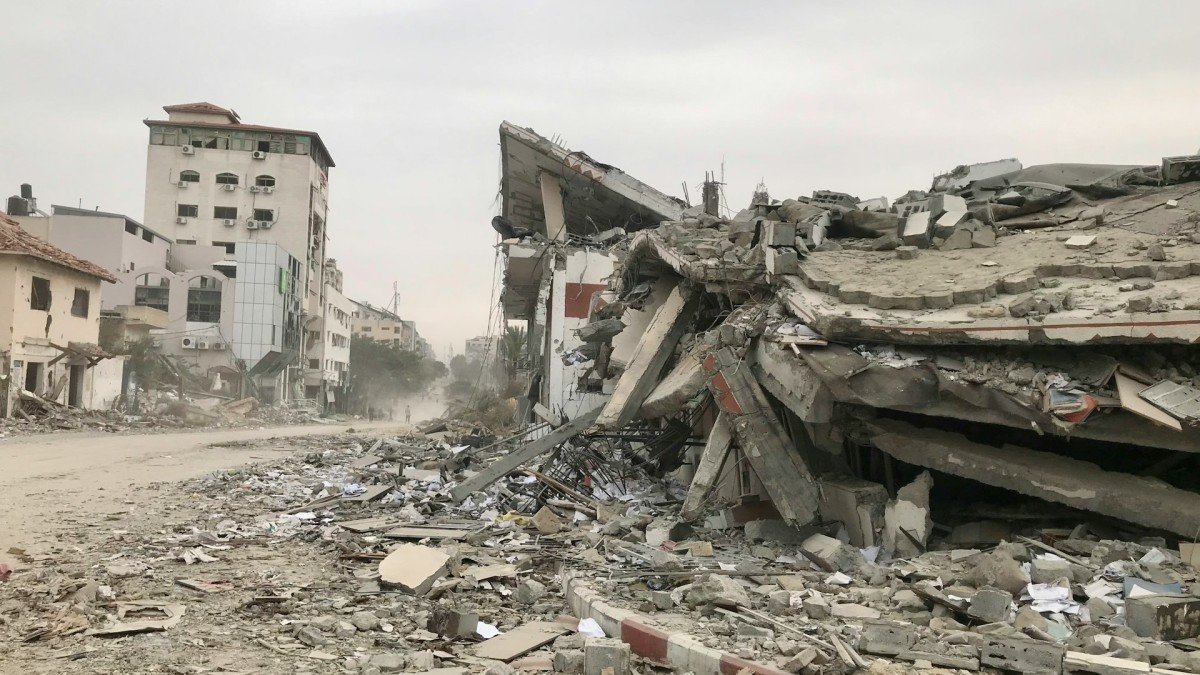
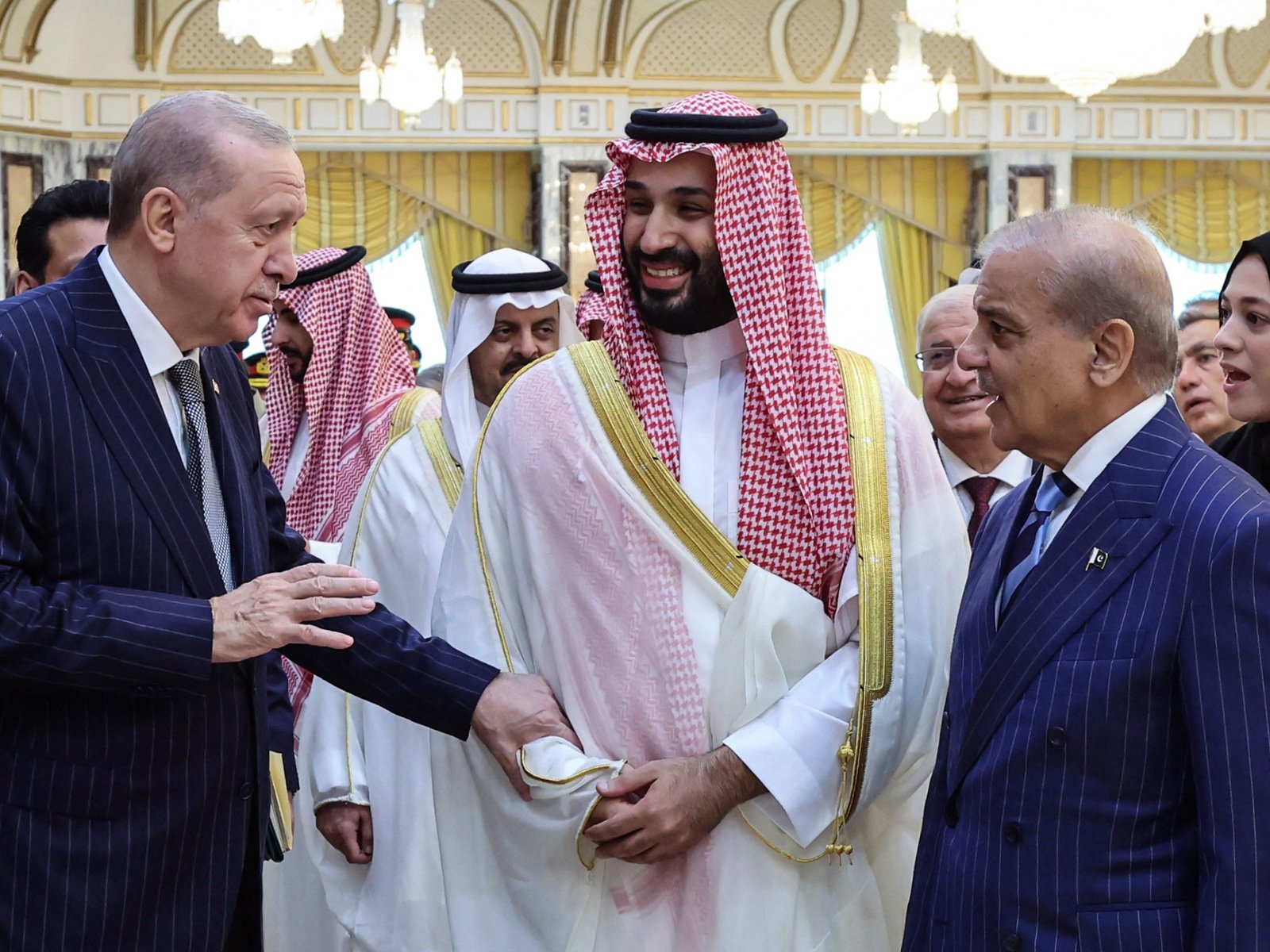
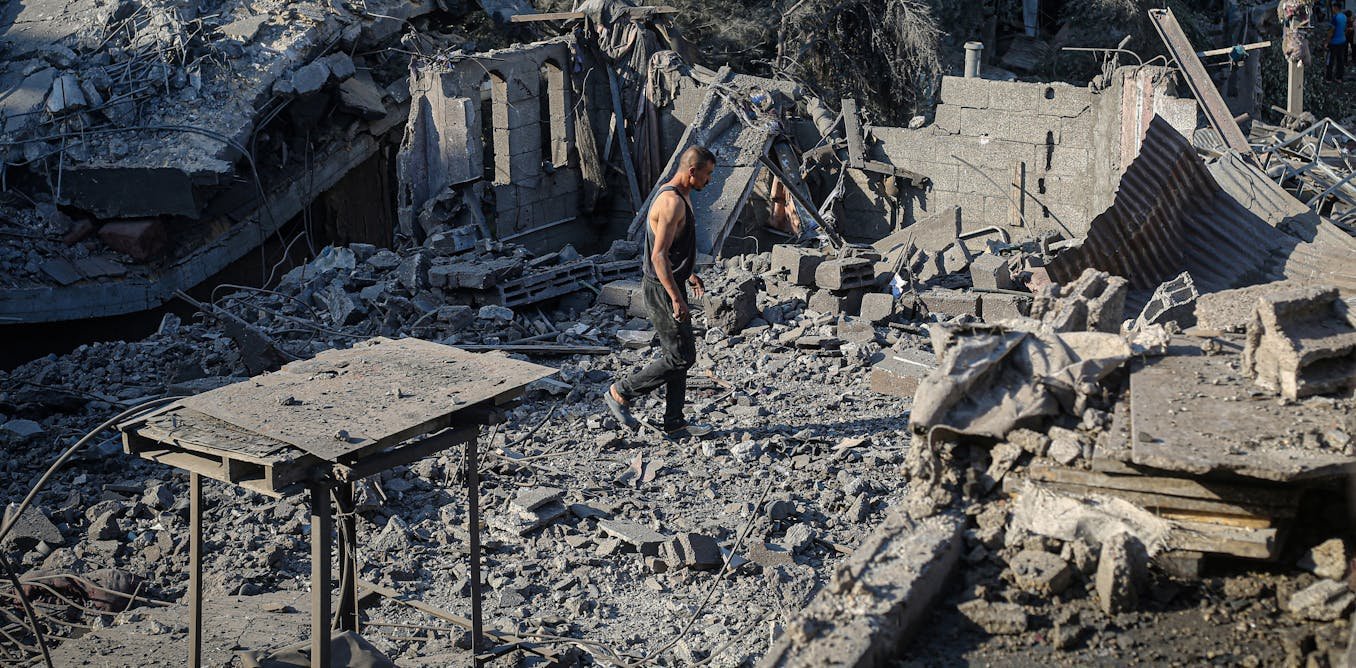
Eight Arab and Muslim countries have accused Israel of violating the Gaza ceasefire as Israeli strikes continue more than nine months after the U.S.-mediated “truce” took effect. Saudi Arabia, the UAE, Qatar, Egypt, Jordan, Turkey, Pakistan and Indonesia jointly condemned Israeli attacks on civilians, healthcare facilities and other infrastructure. More than 1,200 Palestinians have been killed in Israeli attacks since the October ceasefire, according to Gaza health authorities. Israeli forces have also returned to areas from which they had agreed to withdraw, and humanitarian aid is languishing below levels required under the deal. Israel says Hamas has also violated the ceasefire by rebuilding tunnels, recruiting fighters and rearming, and has refused to complete its withdrawal until Hamas disarms. With the first phase having failed, the second phase – which calls for Hamas to disarm and Israeli forces to withdraw from Gaza – appears impossible.
Hezbollah has publicly offered talks with Syria for the first time, complicating U.S. efforts to draw Damascus into the effort to disarm the group. Hezbollah has intimated that it would have no problem meeting with the Syrian government. This is a hedge against Trump’s attempts to get Syria to intervene against Hezbollah, which he suggested earlier this month. Syria has rejected military intervention, but of course supports Lebanese state control over weapons and would likely support…
Politics, Geopolitics & Conflict
Eight Arab and Muslim countries have accused Israel of violating the Gaza ceasefire as Israeli strikes continue more than nine months after the U.S.-mediated “truce” took effect. Saudi Arabia, the UAE, Qatar, Egypt, Jordan, Turkey, Pakistan and Indonesia jointly condemned Israeli attacks on civilians, healthcare facilities and other infrastructure. More than 1,200 Palestinians have been killed in Israeli attacks since the October ceasefire, according to Gaza health authorities. Israeli forces have also returned to areas from which they had agreed to withdraw, and humanitarian aid is languishing below levels required under the deal. Israel says Hamas has also violated the ceasefire by rebuilding tunnels, recruiting fighters and rearming, and has refused to complete its withdrawal until Hamas disarms. With the first phase having failed, the second phase – which calls for Hamas to disarm and Israeli forces to withdraw from Gaza – appears impossible.
Hezbollah has publicly offered talks with Syria for the first time, complicating U.S. efforts to draw Damascus into the effort to disarm the group. Hezbollah has intimated that it would have no problem meeting with the Syrian government. This is a hedge against Trump’s attempts to get Syria to intervene against Hezbollah, which he suggested earlier this month. Syria has rejected military intervention, but of course supports Lebanese state control over weapons and would likely support a move to step up interceptions of arms shipments directed to Hezbollah. Washington tried to pressure Damascus last year to move against Hezbollah, but the rightful concern is that it would destabilize both countries further, re-igniting Sunni-Shia tensions that Islamic State could exploit easily. Right now, Damascus and Beirut seem to be expanding their intelligence cooperation against Hezbollah, which is far more valuable in the longer term. For Syria, the Islamic State is the more immediate threat to the government, giving Damascus little incentive to open another war against Hezbollah inside Lebanon.
Discovery & Development
Iraq and Turkey have signed a one-year agreement to move up to 750,000 barrels of crude per day through the Kirkuk-Ceyhan pipeline as Baghdad looks north for an alternative to oil exports through the Strait of Hormuz. The agreement between Turkey’s BOTAS and Iraq’s SOMO and North Oil Company replaces the decades-old bilateral pipeline deal that expired last week and keeps Iraq’s only functioning Mediterranean export route open while the two governments negotiate a longer-term arrangement. The pipeline has a capacity of ~1.5 million bpd but currently carries only about 170,000 bpd, largely from fields in the Kurdistan region. Iraq’s Gulf exports collapsed after Iran effectively closed Hormuz earlier this year, cutting monthly oil revenues from roughly $6 billion to less than $2 billion at the worst point of the disruption. Ankara and Baghdad are now considering eventually connecting southern Iraqi production to the northern system, which would give Iraq a permanent alternative to exporting nearly all of its seaborne crude through the Persian Gulf.
Petrobras has confirmed another deepwater natural gas discovery offshore Colombia, adding to a cluster of recent finds that could eventually help replace the country’s declining domestic gas reserves. The Sandia-1 well in the GUA-OFF-0 Block encountered gas about 42 kilometers offshore in 1,251 meters of water, just 18 kilometers from the Sirius discovery and 9 kilometers from Copoazu-1. Petrobras operates the block with a 44.44% stake, while Colombia’s Ecopetrol holds 55.56%. The partners are evaluating the discovery for commercial potential.
ExxonMobil is offering Kazakhstan an $80 billion expansion of the giant Kashagan oil field in exchange for resolving roughly $150 billion in government claims against the project’s international partners. The proposal would create a 50-50 venture with state-owned KazMunayGas to develop western Kashagan, targeting as much as 600,000 bpd and unlocking an estimated 10 billion barrels of recoverable oil. KazMunayGas has reportedly agreed to the proposal, but it will still require political approval. Kazakhstan’s claims concern revenue lost during years of development delays, along with a separate $5 billion environmental penalty. Under Exxon’s proposal, any Kashagan partners who take part in the development would be released from the claims.
Deals, Mergers, Acquisitions & Earnings
Phillips 66 reported a 339% jump in second-quarter profit as stronger refining margins and higher fuel demand pushed earnings to their highest level since 2022. Net income climbed to $3.8 billion from $877 million a year earlier, while revenue increased 55% to $52 billion and adjusted earnings of $9.41 per share easily beat analyst estimates of $7.44. Refining generated $3.09 billion in adjusted earnings, up from $392 million a year earlier, as Phillips 66’s realized refining margin more than doubled to $24.08 per barrel. The company also reported record natural gas liquids fractionation and LPG export volumes, while operating cash flow surged to $7.3 billion from $845 million. Phillips 66 returned $887 million to shareholders through dividends and buybacks and reduced net debt to $16.5 billion, reaching its target of below $17 billion a year ahead of schedule. Refinery utilization averaged 96% during the quarter despite scheduled maintenance at the Wood River and Humber facilities.
Chevron’s second-quarter adjusted earnings rose to $6.06 per share, beating Wall Street’s $5.56 estimate, while revenue jumped 56% year-over-year to $70.06 billion, well above expectations of $61.97 billion. The company reported record U.S. upstream production and record crude throughput at its U.S. refineries as higher oil prices and refining margins boosted results. Barclays raised its Chevron price target to $216 from $213 following the earnings report, while Bernstein increased its target to $209 from $204.
ExxonMobil reported second-quarter earnings of $14.5 billion, up sharply from $4.2 billion in the first quarter, as higher oil prices, record Permian output and stronger refining margins lifted results. Adjusted earnings reached $14.7 billion, or $3.52 per share, while operating cash flow rose to $23.6 billion and free cash flow to $17.2 billion. Upstream adjusted earnings climbed to $9.2 billion, helped by record Permian production of more than 1.8 million boepd and the company’s highest overall upstream production in more than two decades excluding Middle East disruptions. Energy Products adjusted earnings rose to $4.1 billion on strong U.S. Gulf Coast refinery utilization and record second-quarter diesel production. Exxon returned $9.4 billion to shareholders through dividends and buybacks during the quarter and said its fifth Guyana FPSO remains on track to start production in the fourth quarter, adding another 250,000 barrels per day of capacity.
Occidental Petroleum reported second-quarter adjusted earnings of $2.40 per share, up 823% year over year and well above the $1.92 expected, as higher oil prices and stronger midstream earnings boosted results. Revenue rose 57% to $8.33 billion, while production reached 1.433 million barrels of oil equivalent per day, above guidance. Occidental’s realized crude price climbed 52% to $96.78 per barrel. The company also cut debt by $1.9 billion and raised its quarterly dividend by 8%.