
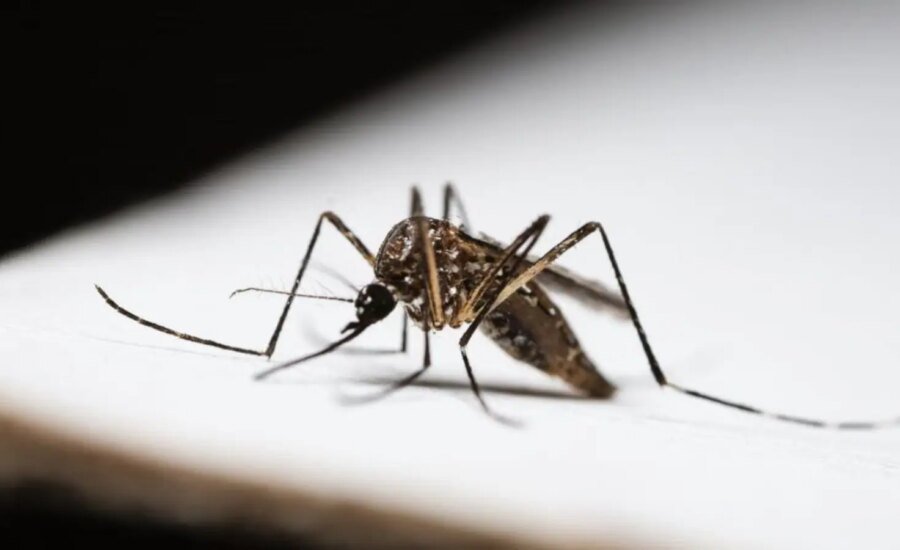
Kerala has reported a rise in chikungunya virus (CHIKV) cases. As of August 4, 105 confirmed and 62 probable chikungunya cases have been reported in different parts of the state, with a majority of them in Thiruvananthapuram. Health officials have linked the increase in cases to favourable breeding conditions for mosquitoes during the monsoon. According to a report in The Hindu, TS Anish, Professor of Community Medicine, School of Public Health, Kerala University of Health Sciences said, “Monsoon conditions favour increased breeding of Aedes aegypti and Aedes albopictus. High vector indices can lead to sustained and efficient transmission of CHIKV. The virus does not normally cause mortality but the morbidity is high, with patients suffering from joint inflammation, pain, and long-term disability.”
The rise has prompted authorities to strengthen surveillance, mosquito control measures, and public awareness campaigns across affected areas. The recent spike has once again highlighted the importance of keeping the population of Aedes mosquitoes, the same mosquitoes that spread dengue, under control. Kerala has experienced chikungunya outbreaks in the past, making continuous vigilance essential, especially during the rainy season. While chikungunya is rarely fatal, it can cause severe joint pain that may last for weeks or even months, affecting daily life. Read on to know more about this mosquito-borne disease.
What Is Chikungunya?
Chikungunya is a viral disease caused by the chikungunya virus (CHIKV). It is transmitted to humans through the bite of infected Aedes aegypti and Aedes albopictus mosquitoes. These mosquitoes are most active during the daytime, especially in the early morning and late afternoon.
Unlike illnesses that spread from person to person, chikungunya cannot be passed through casual contact, coughing or sneezing. A mosquito must first bite an infected person and then bite someone else to spread the virus.
What Are The Symptoms?
Symptoms usually appear between two and seven days after an infected mosquito bite. The illness often begins suddenly and may include:
- High fever
- Severe joint pain, especially in the hands, wrists, ankles, and feet
- Headache
- Muscle pain
- Skin rash
- Fatigue
- Swelling around the joints
The intense joint pain is one of the defining symptoms of chikungunya. While fever usually settles within a week, joint pain can continue for weeks, months, or even longer in some people.
What Causes Chikungunya To Spread?
The disease spreads when Aedes mosquitoes breed in stagnant water and become infected with the virus. Common breeding sites include:
- Buckets and flower pots
- Water storage containers
- Old tyres
- Coconut shells
- Coolers
- Open drains
- Any container that collects rainwater
Monsoon weather creates ideal conditions for mosquito breeding, which is also why there is a spike in cases during this season.
How Is Chikungunya Diagnosed And Treated?
Doctors usually diagnose chikungunya based on symptoms, travel history, and blood tests that detect the virus or antibodies. There is no specific antiviral medicine to cure chikungunya. Treatment mainly focuses on relieving symptoms through:
- Adequate rest
- Drinking plenty of fluids
- Paracetamol to reduce fever and pain
- Medicines for joint pain, if advised by a doctor
What Are The Complications Of Chikungunya?
- Persistent joint pain: Severe joint pain can continue for weeks, months, or even years after the infection has cleared.
- Joint swelling and stiffness: Inflammation can make it difficult to walk, climb stairs, or perform everyday tasks.
- Neurological complications: In rare cases, the virus may affect the brain or nerves, leading to conditions such as encephalitis or nerve inflammation
- Heart problems: Some people may develop inflammation of the heart muscle (myocarditis), although this is uncommon
- Eye complications: Inflammation in the eyes can cause pain, redness, blurred vision, or other vision problems
- Dehydration and weakness: High fever and poor fluid intake can lead to dehydration, fatigue, and prolonged recovery.
- Higher risk in vulnerable groups: Older adults, newborns, pregnant women near delivery, and people with chronic illnesses are more likely to develop severe complications or require hospitalisation.
How Can You Prevent Chikungunya?
Since there is no widely used specific treatment, prevention is the best defence. You can lower your risk by:
- Removing stagnant water from your surroundings every week
- Covering water storage containers
- Wearing full-sleeved clothing and long trousers
- Using mosquito repellents on exposed skin
- Installing window screens or mosquito nets
- Keeping homes and neighbourhoods clean.
Disclaimer: This content including advice provides generic information only. It is in no way a substitute for a qualified medical opinion. Always consult a specialist or your own doctor for more information. NDTV does not claim responsibility for this information.