
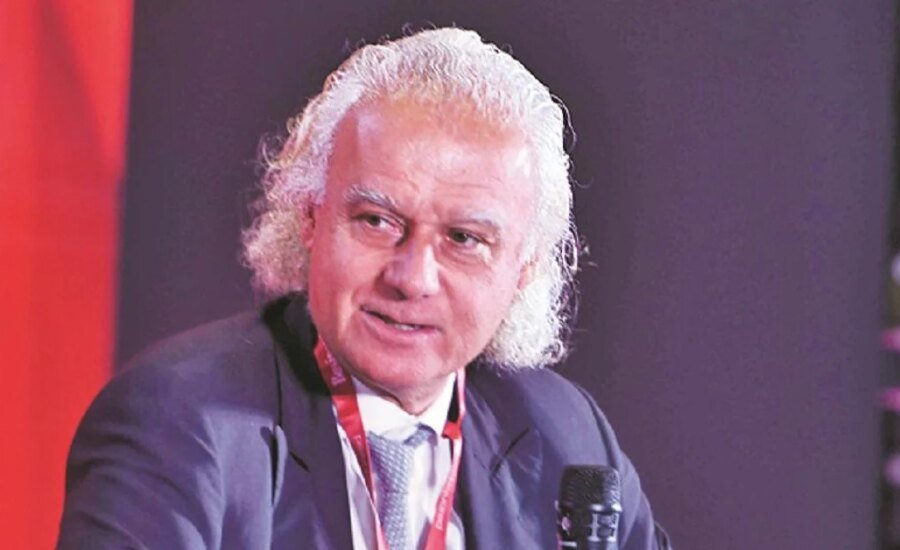
Foreign investors turned net buyers of Indian equities in July, pumping in $2.45 billion, as global investors unwound positions in the technology-driven “memory trade”, wrote Christopher Wood, global head of equity strategy at Jefferies in his weekly note to investors, GREED & fear.
India, Wood wrote, continues to benefit from improving domestic fundamentals, with bank credit growth accelerating to 17-18 per cent year-on-year in 2026 (up to the fortnight ended 15 July 2026), the fastest pace in more than a decade. Corporate lending has emerged as the key driver of this expansion.
Jefferies highlighted several factors that could help stabilise the rupee over the coming months. Among them is the Reserve Bank of India’s scheme launched in early June to attract foreign currency deposits from non-resident Indians (NRIs).
The initiative, he said, has already garnered around $41 billion in inflows, exceeding expectations, and expects collections to rise to $80-100 billion in the next two months.
“GREED & fear hears that in practice NRIs have been leveraging 9-19 times to generate a dollar return of 11-20 per cent in what is viewed as a risk-free investment since it is guaranteed by the Indian government. This is the third time Delhi has resorted to such a scheme to bolster a weak currency. The other two occasions were in 1993 and 2014. Clearly, the beneficiaries are the NRIs while the cost is borne by the taxpayer,” Wood wrote.
Tax exemption
Another supportive measure has been the government’s decision to exempt foreign investors from tax on interest income earned from investments in Indian government bonds. According to Wood, the tax incentive has already triggered a rally in sovereign bonds and is likely to encourage additional foreign capital into the debt market.
“All this increases the likelihood that the rupee should stabilise,” Wood said, adding that it remains constructive on Indian government bonds in its global sovereign debt portfolio.