
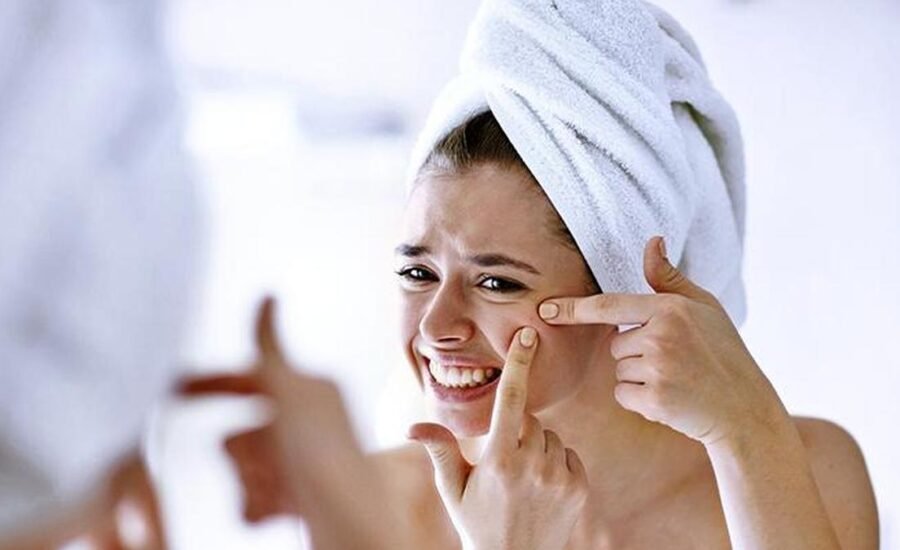
Stress is often blamed for acne breakouts, particularly during high-anxiety periods such as examinations, work deadlines or emotionally difficult life events. While scientific evidence supports an association between psychological stress and worsening acne, dermatologists caution that stress alone is rarely responsible.
Acne vulgaris affects roughly 9.4% of the global population, making it the eighth most common skin disease worldwide. It heavily impacts adolescents and young adults aged 12 to 25, with prevalence estimates reaching up to 85% to 90% in younger age groups.
Studies show that higher perceived stress is associated with greater acne severity, although the relationship is complex and influenced by hormonal, genetic and environmental factors. Therefore stress is considered an aggravating factor rather than an independent cause of acne.

How stress influences skin
Stress activates the hypothalamic-pituitary-adrenal (HPA) axis, increasing the production of cortisol and other stress mediators. These mediators can stimulate sebaceous glands, increase sebum production, alter the skin’s immune responses and promote inflammatory pathways involved in acne.
“Stress places the body in a pro-inflammatory state, and the skin often reflects this inflammation,” says K. R. Sharmatha, senior consultant, dermatology, SIMS Hospital, Chennai. She explains that elevated cortisol may increase inflammation while also reducing certain aspects of the skin’s immune defence. This can result in greater sebum production and make acne lesions more susceptible to secondary bacterial infection. Inflammation may also alter the skin microbiome, contributing to inflamed or infected acne lesions in some individuals, she says.
However, not every breakout is stress-related. Hormonal disorders, metabolic abnormalities, medications and other underlying factors should be evaluated before attributing acne solely to stress.
Stress affects acne not only through biological pathways but also by changing everyday behaviour.
According to Narayanan A., consultant, dermatology, SRM Prime Hospital, Chennai, patients frequently report worsening acne during examinations, periods of intense work pressure or emotional distress. People with oily skin, inflammatory acne, hormonal acne or a tendency to pick at their skin are particularly likely to experience stress-related flare-ups.
During stressful periods, many people sleep less, consume more high-glycaemic foods, discontinue acne medications, use heavier cosmetic products or repeatedly touch and pick their skin, all of which may aggravate acne. “An acne flare-up is therefore a complex interplay of multiple factors,” he says.
Stress management
Evidence increasingly supports lifestyle measures such as adequate sleep, regular physical activity and mindfulness-based stress reduction as part of comprehensive acne care.
However, dermatologists caution against viewing stress reduction as a substitute for medical therapy.
“Stress responses are biological and acne is not a character flaw,” says Dr. Narayanan. He adds that relaxation alone cannot cure acne because breakouts may also result from hormonal fluctuations, menstruation, pregnancy, medications, occlusive cosmetics, friction, sweating or inappropriate skin care.
The relationship is also bidirectional: stress can worsen acne, while acne itself can increase anxiety, emotional distress and reduced self-esteem. A study published in the Journal of Cosmetic Dermatology, found that acne is influenced by a complex interplay of genetic, lifestyle and psychosocial factors, highlighting the need for evidence-based treatment alongside psychological support.
Experts recommend addressing underlying skin disease and the psychological burden it creates, using evidence-based treatment alongside healthy lifestyle measures.
Published – August 07, 2026 06:00 am IST