
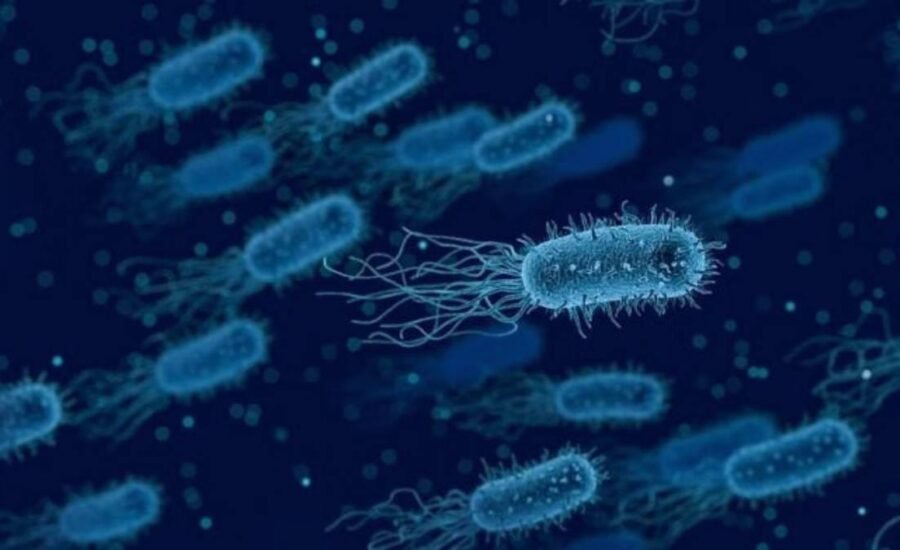
New Delhi: High doses of an experimental antimicrobial peptide being studied as a possible alternative to antibiotics may make bacteria more difficult to target with combination treatments, according to a study by researchers at Cornell College in the US.
The findings, published in the February 2026 issue of AppliedPhys, come as scientists worldwide search for new ways to tackle antibiotic-resistant infections, which are becoming an increasing public health challenge. In the study, researchers exposed Escherichia coli (E. Coli), a bacterium, to low, medium, and high concentrations of Magainin 2 and measured how it responded. The researchers found that high concentrations of the antimicrobial peptide Magainin 2 made the bacteria more rigid rather than softer – the opposite of what they had expected.
Antimicrobial peptides are naturally occurring molecules produced by the body’s innate immune system. They punch tiny holes in the outer membrane of bacteria, killing them, and are also being studied as compounds that could help other antibiotics enter bacterial cells.
Unexpected rigidity at higher doses
“One of the things that sets our research apart is that we aren’t looking at how the antimicrobial peptide is working because we know what it does; we’re looking at how the bacteria are responding to these different concentrations,” Associate Professor of Biochemistry Catherine Volle said in a statement released by Cornell College. “Finding that there was a completely different biomechanical response was surprising,” she added.
The bacterial cells didn’t soften; instead, they became stiffer and appeared to seal themselves off from larger molecules.
Researchers say this could hinder antibiotics from entering the bacteria when used alongside antimicrobial peptides, potentially reducing the effectiveness of combination therapies.
Explaining the finding, Volle said the researchers had expected the bacteria to become “squishier” as more pores formed in their membranes. Instead, they found that high concentrations made the cells “stiffer”.
According to the researchers, the findings suggest that simply increasing the dose of antimicrobial peptides is unlikely to be a straightforward fix. Instead, the effectiveness of future treatments may depend on identifying the appropriate combination of peptide and antibiotic concentrations.
“If we could understand the right concentration-to-drug ratio for Magainin 2, we could create an effective therapy for bacterial infections,” co-author Jonathan Azenon said.
The researchers cautioned that the study was conducted only on E. coli under laboratory conditions and does not show that antimicrobial peptides are ready to replace antibiotics. More research will be needed to determine whether the same response occurs in other bacteria and whether the findings can be replicated in living organisms.
The study, titled “High Concentrations of the Antimicrobial Peptide Magainin 2 Induce Distinct Biomechanical Changes in Escherichia coli,” was conducted by researchers Sophie Stumbo, Ryan Zurick, Jonathan Azenon, Jonathan Raper and Catherine Volle.
The researchers said the next phase of their work will focus on understanding why bacteria become more rigid at high peptide concentrations and whether optimising the dose could improve future treatments for antibiotic-resistant infections.
(Edited by Maryam Hassan)