Islamabad:
The loudspeaker calls from mosques that once echoed in the streets of Jammu and Kashmir (J&K) in the 1990s have returned, but this time across the Line of Control (LoC) in the Pakistan-occupied region, where local Imams (clerics) in Muzaffarabad are desperately urging Kashmiris to join forces against the atrocities committed by Pakistani forces.
In the 1990s, the same mosques were used to lure people living on the Indian side of the border, said SP Vaid, former Director General of Police (DGP), Jammu and Kashmir, recalling the tough period of anti-India militancy in the region.
He recalled that at the behalf of the Pakistan Army, announcements were made from across the LoC promising a ‘bright future’ in Pakistan. Hearing the promises made from the Salotri mosque on the other side, several young men from the Poonch district in J&K crossed over to PoK.
“Karma is hitting back. The region that Pakistan’s Army and its spy agency ISI once used to export terror and unrest is now witnessing an uprising of its own,” he added.
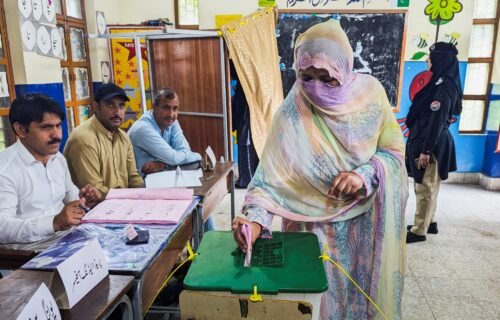
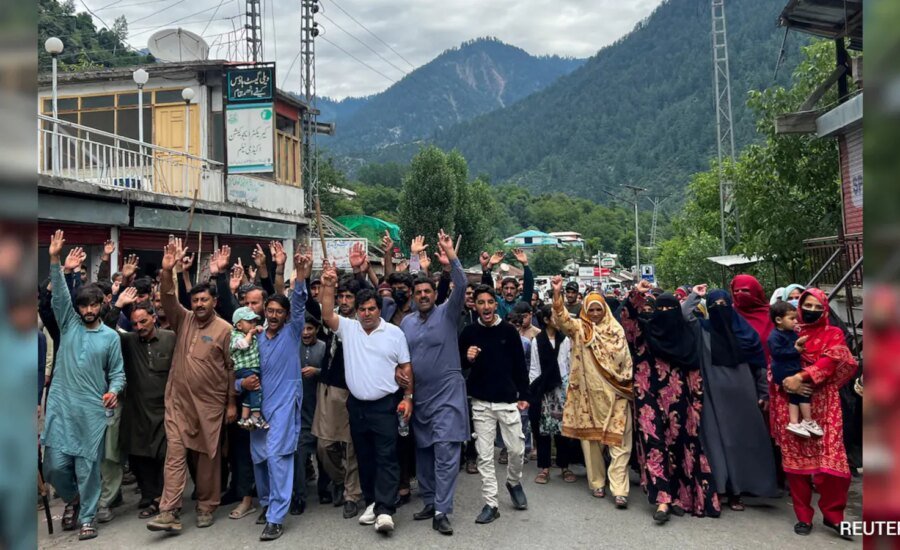
In the last two months, over 100 people have been killed across the Pakistan-occupied Kashmir (PoK) in clashes between security officials and protesters led by the Joint Awami Action Committee (JAAC). At least 50 people have died in just a week in the region that is home to about 4.5 million people and where elections are taking place currently.
Young Men on Islamabad’s Target
The BBC recently gained access to Rawalakot, another epicenter of protests, and spoke to those at the heart of the agitation.
A local doctor, who has set up a makeshift clinic near the main protest site in PoK’s Rawalakot, told the British publication that most civilians who have been killed or seriously injured are young people between about 15-16 years old and 32-35 years old.
“I have seen very few patients over the age of 40,” Dr. Anwar (name changed due to safety reasons) said.
He said that while his clinic can provide basic first aid to people who are being shot by Islamabad’s forces, they need medical assistance to take care of critically ill patients.
“We have enough supplies to provide first aid. We can stop bleeding, clean and dress wounds, and remove superficial bullets. But patients with serious injuries to the chest, abdomen, head, or other vital organs need advanced hospitals…Even major hospitals would struggle if many such patients arrived at the same time,” he added.
Ali, a young man who was visiting his friend admitted at Dr. Anwar’s clinic, said, “We only asked for affordable flour, electricity, and our basic rights.”
Wiping his tears away with his shawl, Ali added, “Instead, our brothers are being killed. What was our crime? Why are live bullets being fired at us?”
BBC also spoke to Asma, who herself was at the protest when she heard her only son had been shot.
“We were only asking for our rights. We are not terrorists. No mother could ask for a better son,” she said.
“He knew there were risks, but he believed standing up for justice was important. He used to say that dying for a just cause was an honour,” Asma added.
Salman, another Rawalakot resident, lost his younger brother.
“He was the youngest in the family and was loved by everyone. It is a great loss for us. At the same time, I feel proud that he gave his life while standing up for the rights of the people. He was not fighting or attacking anyone,” he said.
Ayub, a former Pakistani soldier, also lost his son in the police crackdown. He, however, did not blame the Pakistan government or military but instead pointed fingers at the government in PoK, saying they were the ones who called in the paramilitary forces.
“I am a retired soldier. I lived through the martial law periods of General Zia-ul-Haq and General Pervez Musharraf,” he said. “But I have never seen anything like what is happening now. In my opinion, it is extreme injustice. My son had done nothing wrong. None of the protesters had done anything wrong.”
What Do Protestors Want
Protesters from the JAAC claim the demonstrations are for their rights, with concerns including electricity prices, education, and health care. An agreement signed with the Pakistan and PoK governments back in October was meant to help, but JAAC has alleged it was not implemented.
They said the protests are the result of a lethal mix of inflation, power cuts, flour shortages, and decades of military repression, persecution, discrimination, and oppression. But the immediate trigger has been the killing of civilians by the Pakistani security forces during peaceful demonstrations last month.
The local government disagrees. They say the group, which was banned in June, is armed and that this is about disrupting the ongoing polls. Authorities are not willing to let the protesters march to the regional capital, Muzaffarabad.
Security experts have said that Islamabad is rattled by these demonstrations. With the PoK slipping out of control, Pakistan is now trying to divert attention by pushing terror into the Kashmir valley—as seen in the recent targeted killings in Kulgam and Anantnag, said Commodore Dalbir Singh Sodhi (Retd), security analyst and political commentator.
But inside PoK, the damage is done. The narrative has shifted.