
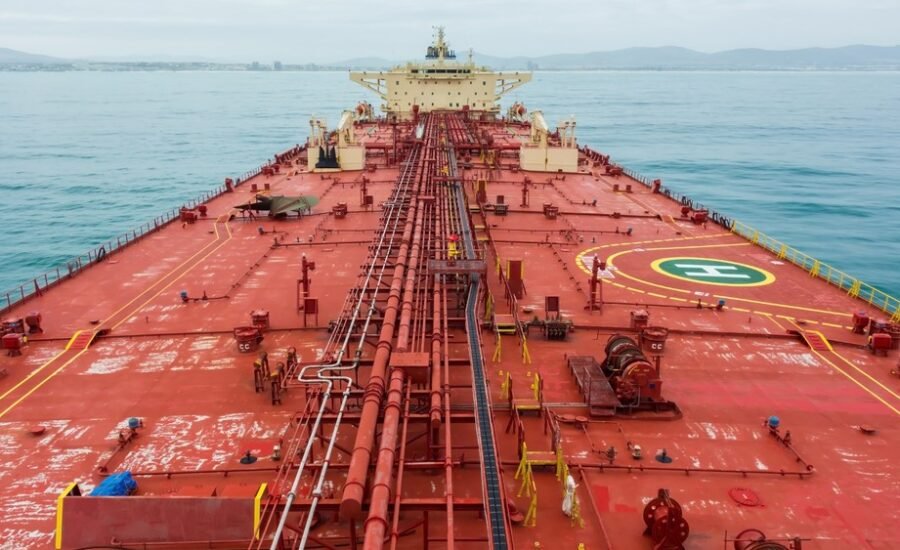
Five tankers passed through the Strait of Hormuz yesterday, with three of them entering the waterway and two exiting, Reuters reported earlier today, citing data from Kpler that shows traffic in the chokepoint remains severely constrained despite a slew of reports on peace efforts in progress.
One of the vessels that exited the strait on Tuesday was an Emirati LNG carrier with a cargo bound for India. This was the third time this tanker, the Mubaraz LNG, has traversed the Strait of Hormuz since the U.S.-Israeli war with Iran began at the end of February, Reuters noted. The cargoes were sold to China and India.
Meanwhile, three LNG tankers have been attacked in the waterway in the past month, two of them Qatari vessels. The third LNG carrier that suffered a strike was Greek. At the same time, Bloomberg reported earlier this week that one Qatari LNG cargo had successfully passed through the Strait of Hormuz.
Separately, QatarEnergy reportedly bought 33 LNG cargoes in what appears to be a sign that the liquefied gas export major was seeking to ramp up its sales despite the force majeure that is still in effect for its Ras Laffan gas hub. Back in June, QatarEnergy said it could restore 50% of production at the facility within a month.
Even with news about oil and gas tankers successfully traversing the waterway without getting bombed, traffic levels are a fraction of what they used to be before the war. Per Reuters, before the U.S. and Israeli strikes on Iran on February 28, the average daily throughput of the strait was between 130 and 140 vessels, including tankers and other ships.
Traffic was stronger in the Bab el-Mandeb, with a total of 14 energy commodity carriers either entering or exiting, including one liquefied natural gas carrier.
By Irina Slav for Oilprice.com