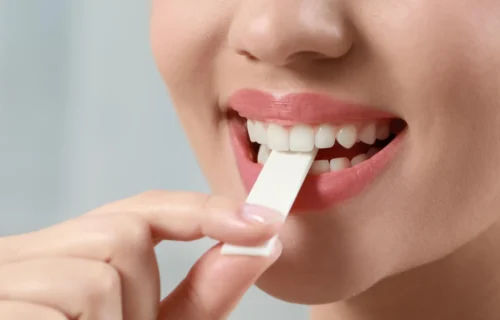
Head and neck cancer is one of the most common cancers worldwide, which affects the mouth, throat, voice box, nose, and nearby tissues. A lot of these cases are linked to tobacco and alcohol use. However, there’s also a rise in cancer cases linked to human papillomavirus (HPV) infections. Researchers have been looking for simple, affordable ways to reduce these infections before they lead to serious disease. A new study has found an unusual solution: a specially designed chewing gum.
Scientists from the University of Pennsylvania have developed a bioengineered chewing gum that can reduce harmful viruses and bacteria linked to head and neck cancer. While the gum is still being studied and is not available for the public, early findings are promising. Researchers believe it could one day become a simple addition to existing cancer prevention strategies, especially for people at higher risk. However, experts say that it is not a replacement for vaccination, regular screenings, or medical treatment.
What Did The Study Find?
The researchers, led by Henry Daniell of the School of Dental Medicine at the University of Pennsylvania, tested a specially engineered chewing gum made using lablab beans. The gum contains natural antiviral and antibacterial ingredients designed to target harmful microbes found in the mouth.
In laboratory tests using saliva and oral rinse samples from patients with head and neck squamous cell carcinoma (HNSCC), the gum reduced HPV levels by as much as 93% in saliva and about 80% in oral rinse samples. It also almost completely removed two harmful bacteria, Porphyromonas gingivalis and Fusobacterium nucleatum, which have been linked to poorer outcomes in head and neck cancer.
Why Are HPV And Oral Bacteria Important?
HPV is a common virus that spreads through close skin-to-skin contact, including sexual contact. While most HPV infections clear on their own, some high-risk types can remain in the body and increase the risk of cancers, including cancers of the throat.
Researchers have also identified certain bacteria that may create an environment that helps cancer grow or makes treatment less effective. Higher levels of P. gingivalis and F. nucleatum have been linked to worse survival in some patients with head and neck cancer. By lowering both HPV and these harmful bacteria, the chewing gum may help reduce one of the factors linked to cancer development or progression.
How Does The Gum Work?
The gum uses two important components:
- FRIL, a naturally occurring antiviral protein found in lablab beans, helps reduce HPV
- Protegrin, an antimicrobial peptide, targets harmful bacteria in the mouth
As a person chews the gum, these substances are released into saliva, allowing them to act directly where the virus and bacteria are present. This may make the treatment both effective and easy to use without affecting the rest of the body.
Does It Harm Good Bacteria?
One of the most encouraging findings from the study was that the gum appeared to leave beneficial bacteria in the mouth largely untouched. This is important because the mouth contains a healthy microbiome that helps with digestion, protects against infections, and supports overall oral health. Many antibiotics can kill both harmful and beneficial bacteria, but this chewing gum seemed to target the microbes linked to cancer while preserving the healthy ones.
Can This Gum Prevent Cancer?
Not yet, the study does not show that chewing this gum can prevent head and neck cancer in people. Instead, it shows that the gum can significantly reduce microbes that are associated with a higher cancer risk. More clinical trials involving larger groups of people are needed to determine whether regular use actually lowers cancer rates or improves outcomes in patients.
The idea of fighting cancer-related microbes with a chewing gum may sound surprising, but the latest research suggests it has potential. The bioengineered gum successfully reduced HPV and two harmful bacteria linked to head and neck cancer without disturbing the healthy bacteria in the mouth. However, it is important to remember that this is still an early-stage discovery. The gum is not yet approved for public use and cannot replace HPV vaccination, healthy lifestyle habits or medical care.
Disclaimer: This content including advice provides generic information only. It is in no way a substitute for a qualified medical opinion. Always consult a specialist or your own doctor for more information. NDTV does not claim responsibility for this information.