
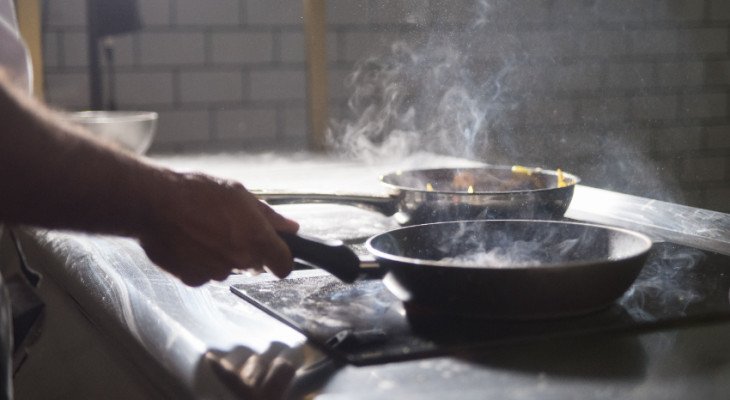
For many people, the kitchen is considered the heart of the home; a place where meals are prepared, conversations unfold and families gather. However, behind the comforting aroma of freshly cooked food may lie an often-overlooked health hazard: indoor air pollution. While outdoor pollution frequently dominates discussions around respiratory diseases and lung cancer, experts warn that the air inside our homes, particularly in kitchens, can also expose people to harmful pollutants that may increase the risk of lung disease, including lung cancer.
Indoor air pollution is becoming an increasingly important public health concern, especially in countries like India, where cooking practices, fuel choices and poor household ventilation often combine to create unhealthy indoor environments.
Why Kitchens Are A Major Source Of Indoor Air Pollution
Cooking may seem harmless, but it releases a mixture of gases and microscopic particles into the air. Every time oil is heated, food is grilled, fried or roasted, tiny airborne particles and chemicals are generated. Without adequate ventilation, these pollutants can accumulate rapidly, exposing family members to unhealthy air for prolonged periods.
The problem becomes more significant in homes that rely on biomass fuels such as wood, charcoal, crop residue or cow dung for cooking. Although access to cleaner fuels like LPG has improved considerably across India, millions of households still use traditional fuels, particularly in rural areas. Even homes using LPG or natural gas are not completely free from indoor pollution, especially if kitchens lack exhaust systems or windows.
Dr Ankit Jain, Senior Consultant, Medical Oncology, Indraprastha Apollo Hospitals, New Delhi said, “Indoor air pollution remains an under-recognised yet significant risk factor for lung cancer, particularly in households where kitchens are poorly ventilated. While smoking remains the leading cause of lung cancer, nearly half of newly diagnosed cases are now seen in people who have never smoked, making environmental exposures an increasingly important concern.”
Dr Jain also highlighted that this risk is not confined to biomass fuel use in rural settings. Modern urban kitchens with sealed windows, inadequate ventilation and frequent high-temperature cooking can also trap harmful pollutants indoors.
What makes this exposure particularly concerning is that it often goes unnoticed. Ultrafine particles and carcinogenic compounds released during cooking can remain suspended in the air long after meals are prepared, allowing repeated inhalation over years.
What Harmful Pollutants Are Released During Cooking?
Several pollutants generated during cooking have been linked to respiratory illnesses and, in some cases, cancer.
Fine particulate matter (PM2.5) is among the most concerning. These microscopic particles are small enough to penetrate deep into the lungs and even enter the bloodstream. Regular exposure has been associated with chronic lung disease, cardiovascular disorders, and an increased risk of lung cancer.
Nitrogen dioxide, commonly released from gas stoves, can irritate the airways, worsen asthma, and reduce lung function over time.
High-temperature cooking, especially frying, grilling and stir-frying, also produces volatile organic compounds (VOCs), aldehydes such as formaldehyde, and polycyclic aromatic hydrocarbons (PAHs). Some of these compounds have been classified as carcinogenic or potentially carcinogenic following long-term exposure.
Cooking oil fumes deserve special attention. Repeated heating of oils at very high temperatures can generate toxic chemicals that become suspended in the air. People who spend several hours daily cooking in poorly ventilated kitchens may inhale these fumes repeatedly over many years.
Can Indoor Air Pollution Really Increase Lung Cancer Risk?
Research suggests that prolonged exposure to indoor air pollution may contribute to lung cancer risk, particularly among individuals who have never smoked.
Several epidemiological studies have found higher rates of lung cancer among women who cook frequently using biomass fuels or are exposed to cooking oil fumes in poorly ventilated kitchens. This is particularly relevant because many women in developing countries spend significant amounts of time preparing meals.
Long-term exposure to fine particulate matter and carcinogenic compounds can cause repeated inflammation and oxidative stress within lung tissues. Over time, this persistent damage may contribute to DNA mutations that increase the likelihood of cancer development.
Indoor air pollution is unlikely to be the sole cause of lung cancer. Rather, it acts as one of several environmental risk factors alongside tobacco smoke, second-hand smoke, outdoor pollution, occupational exposures, and genetic susceptibility.
Dr Ashwin Rajbhoj, Consultant Medical Oncologist And Hemato-Oncologist, Sahyadri Hospitals, Bibwewadi, Pune said, “Many people wrongly attribute lung cancer to smoking, however, indoor air pollution accounts for lung cancer too. This indoor air pollution emanates from the kitchen. This type of air pollution is generated when women are cooking food particularly in traditional cookers.”
Dr Rajbhoj also emphasised that smoke arising from the burning of biomass fuel is significant. It consists of a high percentage of fine particles. When this is inhaled into the lungs, it may cause damage to the tissues of the lungs. Lung cancer may develop because of regular exposure to the fumes of the smoke. Individuals that are most at risk of developing lung cancer are women, the elderly, or people living in close proximity to the cooking area.
Additionally, people who work or stay in the kitchen for extended periods of time are also at risk.
Who Is Most At Risk?
Certain groups are more vulnerable to the harmful effects of indoor air pollution than others.
Women who spend extended periods cooking every day face higher cumulative exposure. Children are particularly susceptible because their lungs are still developing, and they breathe more air relative to their body weight than adults.
Older adults and individuals with asthma, chronic obstructive pulmonary disease (COPD), or other respiratory illnesses may experience worsening symptoms even after short-term exposure.
People living in small homes with inadequate ventilation, especially where kitchens are enclosed and lack chimneys or exhaust fans, may also inhale higher concentrations of pollutants.
Signs That Your Kitchen May Have Poor Air Quality
Indoor air pollution often goes unnoticed because many pollutants are invisible.
However, certain warning signs may indicate poor ventilation or excessive pollution:
Smoke or cooking fumes lingering long after meals are prepared
Strong smell of oil or burnt food remaining in the kitchen
Greasy deposits forming on walls, cabinets, or windows
Eye irritation, coughing, throat discomfort, or headaches while cooking
Black soot around cooking areas or ceilings
These signs suggest that pollutants are not being adequately removed from the indoor environment.
Simple Steps To Reduce Indoor Air Pollution
The good news is that several practical measures can significantly improve kitchen air quality.
Improve Ventilation
Proper ventilation is one of the most effective ways to reduce indoor pollution. Open windows and doors while cooking whenever possible. Installing a chimney or a high-quality exhaust fan that vents air outdoors can substantially lower pollutant levels.
Choose Cleaner Cooking Methods
Steaming, boiling, pressure cooking, and baking generally generate fewer airborne pollutants than deep frying or grilling at very high temperatures.
Avoid Overheating Cooking Oils
Heating oil until it begins to smoke increases the production of harmful compounds. Using stable cooking oils and avoiding repeated reuse of oil can reduce toxic emissions.
Switch to Cleaner Fuels
Households still using wood, charcoal, or biomass fuels should transition to cleaner alternatives such as LPG, piped natural gas, or electricity wherever feasible.
Maintain Kitchen Appliances
Gas burners should produce a steady blue flame. Yellow or orange flames may indicate incomplete combustion, leading to higher emissions of harmful gases. Regular servicing of stoves and chimneys helps maintain efficient performance.
Keep the Kitchen Clean
Grease buildup can trap pollutants and contribute to poorer indoor air quality. Regular cleaning of cooking surfaces, chimneys, and exhaust filters improves ventilation efficiency.
Dr. Geeta Kadayaprath, Principal Lead, Apollo Athenaaa Women’s Cancer Centre said, “Smoking is typically one of the first risk factors that comes to mind when talking about lung cancer. But numerous women who are diagnosed with lung cancer have never smoked.”
Dr Kadayaprath also noted that long term exposure of indoor air pollution, particularly cooking fumes in kitchens with poor ventilation is one of the important factors that is overlooked. During high-temperature cooking, frying and grilling, harmful particles and chemicals are released into the air.
Exposure to these fumes for several years can lead to lung diseases such as lung cancer. Research has indicated that women who never smoked had a higher rate of lung cancer when there was poor kitchen ventilation.
Indoor Air Pollution And Non-smokers
One of the most important shifts in lung cancer awareness is the recognition that the disease increasingly affects people who have never smoked. Environmental exposures—including household air pollution—are gaining greater attention as contributing factors.
While smoking remains the leading cause of lung cancer worldwide, experts stress that reducing indoor air pollution is an important preventive measure, particularly for families with young children, older adults, and individuals who spend considerable time in the kitchen.
Creating a healthier indoor environment not only lowers exposure to potentially cancer-causing pollutants but also improves overall respiratory health and quality of life.
The Bottom Line
The kitchen should nourish health, not compromise it. Yet poor ventilation, cooking fumes, gas emissions, and the continued use of solid fuels can expose households to harmful pollutants day after day. Although indoor air pollution is only one of many factors linked to lung cancer, minimizing unnecessary exposure is a practical step toward protecting long-term lung health.
Simple changes; such as improving ventilation, using cleaner fuels, maintaining cooking appliances and adopting healthier cooking practices; can make a meaningful difference. As awareness grows about the hidden dangers of indoor air pollution, making the kitchen a cleaner and safer space is becoming an essential part of disease prevention.