
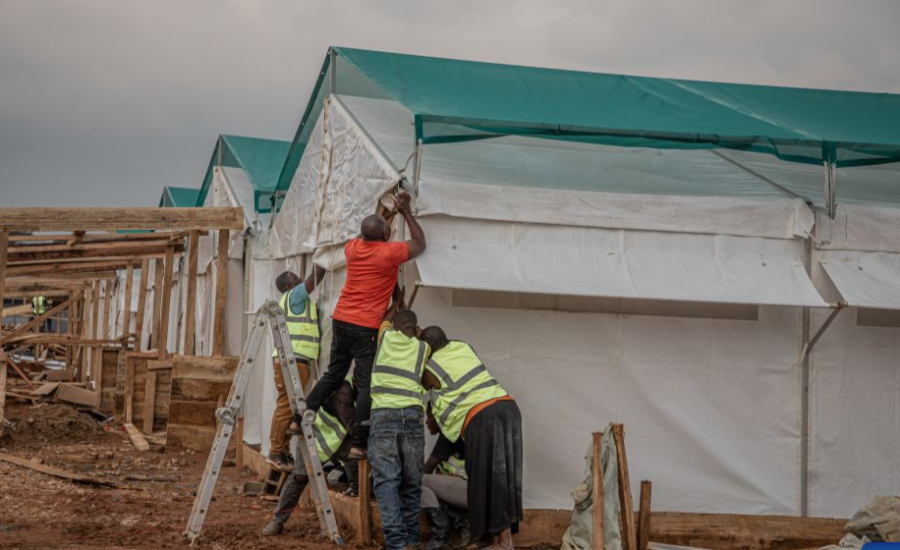
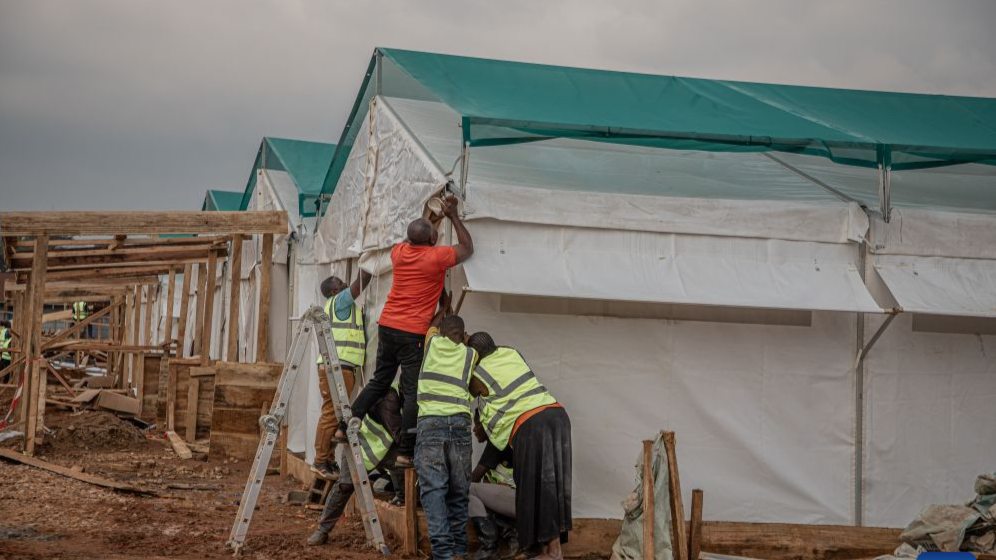
KINSHASA – The Ebola outbreak in the Democratic Republic of the Congo (DRC) is continuing to outpace response efforts, with confirmed cases nearing 3,900 and no proven vaccine or specific treatment yet available for the strain behind the epidemic, the health authority said Tuesday.
The central African country had recorded 3,874 confirmed cases and 1,751 confirmed deaths as of Monday, according to the latest report released by the DRC’s public health authority. The fatality rate stood at 45.1 percent.
The outbreak has spread to 51 health zones across the provinces of Ituri, North Kivu, Haut-Uele, Tshopo and South Kivu. Ituri remained the epicenter, accounting for 87.1 percent of all confirmed cases.
The report showed that 30 of 44 deaths recorded on Monday occurred in communities rather than at Ebola treatment centers. Contact tracing coverage fell to 78.4 percent, well below the operational target of 95 percent, indicating continuing gaps in the early detection and interruption of transmission chains.
In Geneva, World Health Organization (WHO) spokesperson Tarik Jasarevic described the Ebola outbreak as the largest one the DRC has ever faced and called for additional financing and other resources to expand treatment capacity, field investigation teams, safe and dignified burial teams and the community workforce.
ALSO READ: China’s medical team to deepen its Ebola response in DRC
“The outbreak is unfortunately still expanding beyond the capacity of the response,” he told a press briefing.
Vasee Moorthy, acting lead of the WHO R&D Blueprint, told the media that there were still no treatments, preventive medicines or vaccines proven to be safe and effective against the Bundibugyo ebolavirus responsible for the current outbreak.
However, several clinical trials were progressing more rapidly than during previous Ebola emergencies because research protocols had been developed in advance, he said.
The PARTNERS treatment trial, which is evaluating experimental therapeutic options for infected patients, was operating at three sites in Ituri and had enrolled more than 50 patients. Enrollment was expected to accelerate as additional trial sites opened.
A separate trial of obeldesivir, an experimental oral antiviral, had enrolled more than 25 high-risk contacts, Moorthy said. The study is assessing whether taking the medicine for 10 days after exposure can prevent people who have had close contact with confirmed patients from developing the disease.
Progress has also been reported on candidate vaccines specifically designed to target Bundibugyo virus. A vaccine developed by the University of Oxford and the Serum Institute of India entered Phase 1 clinical trial in Britain on July 24, while a second candidate developed by Moderna was expected to begin Phase 1 testing in Canada this week, said Moorthy.
The WHO is also reviewing new animal-study data on possible cross-protection offered by Ervebo, a licensed vaccine developed against the Zaire species of Ebola virus.
A WHO technical advisory group met on July 31, and recommendations are expected to be issued later this week.
Moorthy cautioned that it would probably take several months before researchers could draw firmer conclusions. Although preclinical findings were encouraging, it remained uncertain whether they would translate into safe and effective vaccines in humans.
READ MORE: China CDC experts join intl Ebola fight
Meanwhile, Africa Centers for Disease Control and Prevention Director-General Jean Kaseya arrived Tuesday in Bunia, the capital of Ituri, to assess the response with representatives of the WHO and other partners.
He said the mission would examine what was working, identify areas requiring urgent reinforcement and listen to communities and frontline responders.
“Every delay gives the virus more ground,” Kaseya said in a social media post, listing rapid case detection, comprehensive contact tracing, protection of health workers and bringing testing and treatment closer to affected communities among immediate priorities.
The outbreak, the DRC’s 17th recorded Ebola epidemic, was declared on May 15. It is occurring amid population movements, artisanal mining, cross-border travel and continuing armed violence in the country’s east, factors that the health authority says are sustaining transmission and complicating the response.