The study, funded by the US National Institutes of Health (NIH) and published in the New England Journal of Medicine, was led by Dr Aimee Kreimer of the National Cancer Institute (NCI), part of NIH, and Dr Carolina Porras of the Agencia Costarricense de Investigaciones Biomedicas in Costa Rica.
HPV is a common virus that spreads through sexual contact. While most HPV infections go away on their own, some types of the virus can lead to cervical cancer. HPV can also cause cancers of the throat, anus, penis, vagina and vulva, as well as genital warts.
While many HPV infections clear on their own, certain cancer-causing types of the virus can lead to cervical cancer, which kills around 2.5 lakh women worldwide every year. Vaccine coverage remains low globally, with less than 30% of adolescent girls worldwide receiving the vaccine.
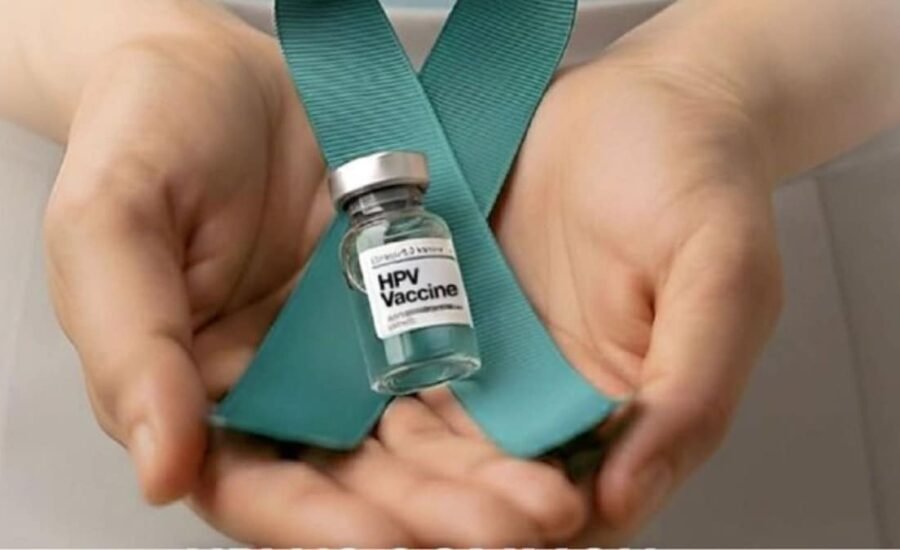
For years, doctors have recommended two doses of the HPV vaccine for adolescents. But the new study found that one dose provides the same level of protection.
The study involved more than 20,000 girls aged 12 to 16 in Costa Rica, who were enrolled between November 2017 and February 2020. Researchers also surveyed more than 3,000 unvaccinated women and girls to estimate HPV infection levels among those who had not received the vaccine.
Participants were randomly divided into groups. They received either one dose of a bivalent HPV vaccine or a nonavalent HPV vaccine.
The bivalent vaccine protects against HPV types 16 and 18, which cause more than 77% of cervical cancer cases worldwide. The nonavalent vaccine protects against these two cancer-causing HPV types, along with five additional cancer-related HPV types and two types that cause genital warts.Six months after the first vaccination, half of the participants received a second dose of the same HPV vaccine, while the other half received a vaccine against tetanus, diphtheria and pertussis as a comparison group.
The researchers found that one dose of the HPV vaccine protected against persistent cervical HPV infections that was no worse than protection provided by two doses.
The study found that all vaccine schedules were at least 97% effective in preventing persistent infections caused by HPV types 16 and 18.
“The findings suggest that a single dose of either HPV vaccine will provide adequate protection against HPV infection and subsequent cervical cancers as effectively as two doses,” said Kreimer.
The findings could make it easier for millions of girls worldwide to get vaccinated, especially in countries where access to vaccines remains limited.