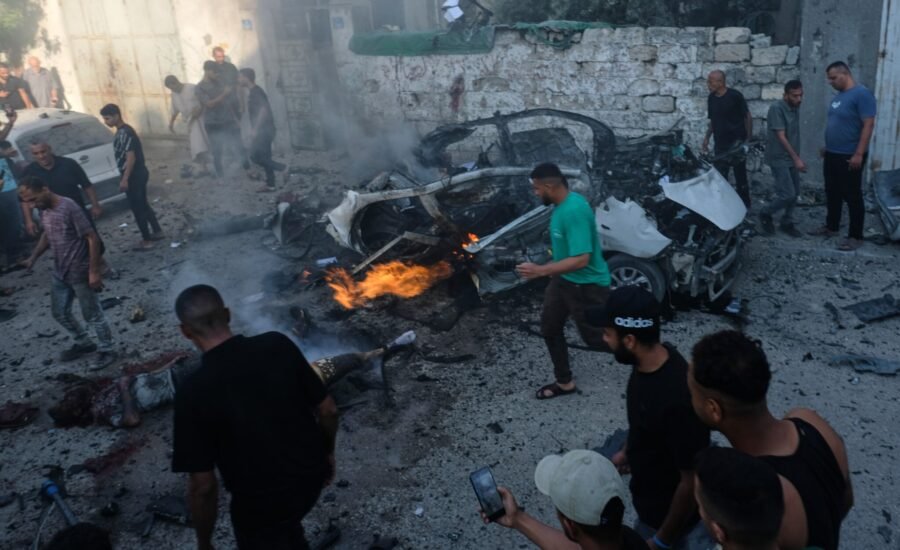
Nineteen people were killed in Israeli strikes across the Gaza Strip on Sunday, according to the Hamas-run Gaza Health Ministry — a high daily toll, even by the standards of the near-daily strikes that have continued throughout the ceasefire.
Just days earlier, US President Donald Trump announced that his Board of Peace had reached an agreement for the “complete disarmament” of Hamas as part of the roadmap for the second phase of the ceasefire agreement, which calls for Israel to halt military operations in Gaza.
For many Gazans, however, there is only one meaningful test of whether the agreement is truly moving forward: whether the strikes stop.
That sentiment has been reflected repeatedly in recent days on social media.
On Sunday, Gaza resident Kamel al-Hindi wrote on Facebook: “They keep talking about a truce and a ceasefire, while this usurping entity continues burning the people of Gaza.”
Another resident, Somaya Samir al-Kahlout, wrote: “There is no truce and no ceasefire. Gaza is still under bombardment.”
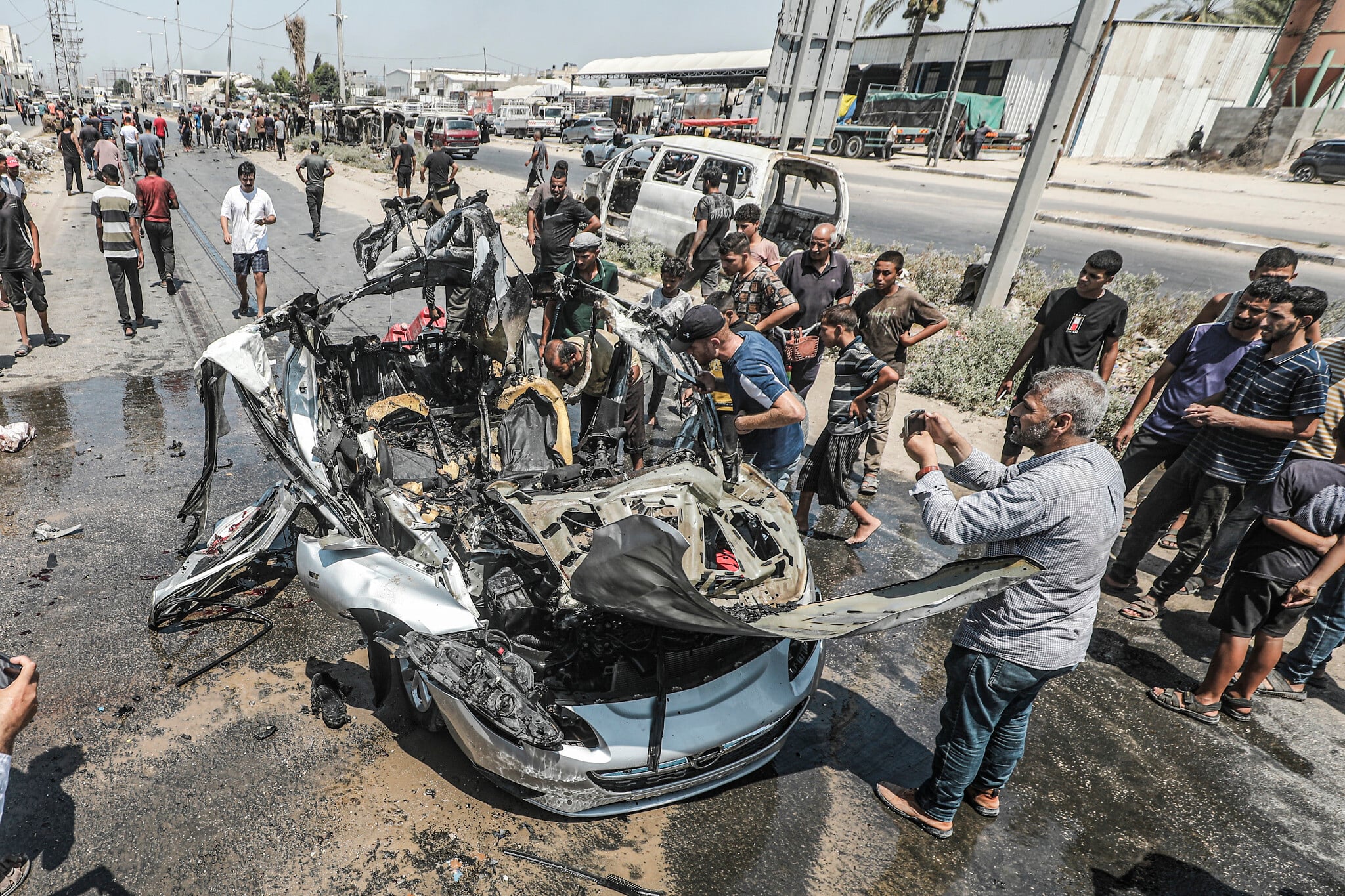
Mohammed Zreir, another Gaza resident, said in a video posted on TikTok: “We saw how on Sunday the assassinations continued, and by the time I recorded this video the death toll had already reached 14.”
The roadmap published on Friday states that “Israel will return to fulfilling its commitments made at Sharm el-Sheikh [for the October 2025 ceasefire]: halting military operations.”
On August 2, Board of Peace Gaza envoy Nikolay Mladenov wrote on X: “Two days of strikes across Gaza have killed civilians and destroyed medical supplies that people depend on. Both parties carry obligations under the Comprehensive Plan and the Sharm El Sheikh deal.”
There is currently no indication that Israeli strikes are stopping or being significantly reduced. Israel has continued carrying out strikes since the October 2025 deal, though at a far reduced rate, saying it does so in response to violations of the ceasefire or to target operatives who pose an active threat.
Israeli officials have expressed serious reservations about the deal and about Hamas’s intent to disarm, and they say forces will not begin withdrawing from areas the IDF holds in Gaza before Hamas has fully disarmed. They also say intelligence indicates that far from demilitarizing, the terror group remains committed to rebuilding its military.
‘People no longer believe’
Gazans interviewed by The Times of Israel described hope that the agreement will ultimately take effect mixed with deep skepticism born of nearly a year of continued Israeli strikes since the October 2025 ceasefire agreement.
A Gaza City resident who requested anonymity out of concern for his safety said: “People no longer believe this will happen, that there will be calm. They simply don’t believe it anymore. Yesterday there were airstrikes and people were killed. I don’t know what will happen next.”
He added: “First, stop the killing. Every day people are killed. People are afraid to walk in the streets.”
According to the Hamas-run Gaza Health Ministry, 1,250 people have been killed in Israeli strikes since the ceasefire began. The tally does not differentiate between civilians and combatants.
The IDF, for its part, has continued announcing strikes targeting Hamas operatives, particularly those it says participated in the October 7 massacre or the abduction of Israelis, and appears to be on a mission to eliminate all who took part in the onslaught. At the same time, it alleges in all cases that the individuals it targets were actively engaged in fresh efforts to threaten IDF forces and Israel.
Adnan al-Flait, a resident of Deir al-Balah in central Gaza, said residents are still waiting for tangible signs that the second phase will begin.
“People are waiting for a solution, for the second phase to begin, and for the suffering and the bombardment to end.”
He said he had heard media reports that Hamas had agreed to place its heavy weapons under Palestinian control in exchange for moving to the second phase of the agreement, but said nothing had so far changed on the ground.
That includes the entry of the National Committee for the Administration of Gaza (NCAG), the new technocratic body that remains in Cairo seven months after it was established and has yet to enter the Strip to replace Hamas as the civilian governing authority.
No date yet for committee’s deployment
A Gaza City resident who spoke with The Times of Israel said part of the public’s despair stems from the fact that daily life remains largely unchanged despite months of diplomacy.
Israel continues allowing humanitarian aid into Gaza, but the assistance consists primarily of food, medical supplies and fuel for essential services such as hospitals and clinics, rather than the equipment and materials needed to begin large-scale reconstruction.
Beyond its desire to pressure Hamas into disarming, Israel fears any reconstruction materials delivered while the group remains in power will be swiftly diverted to rebuilding tunnels and other terror infrastructure.
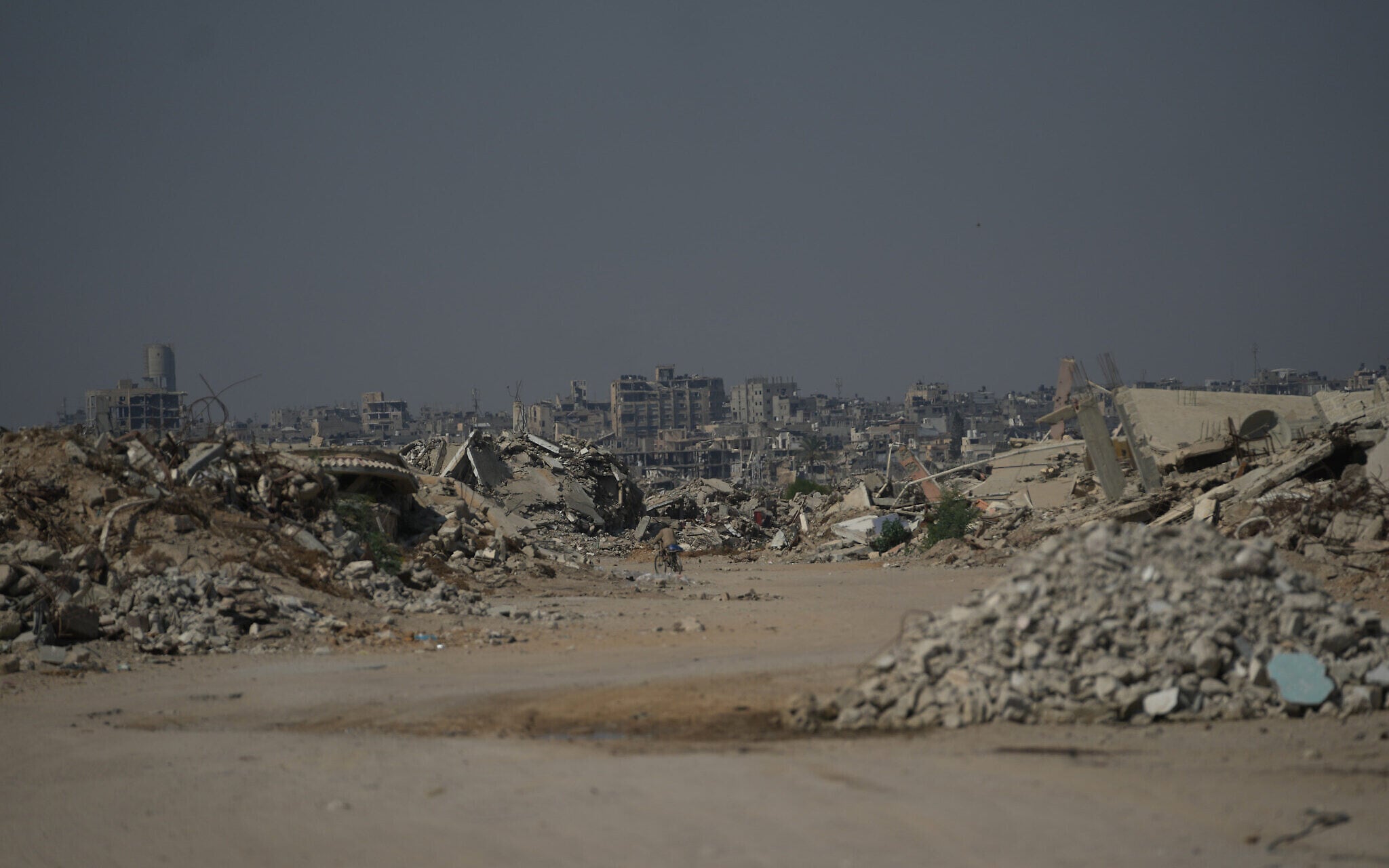
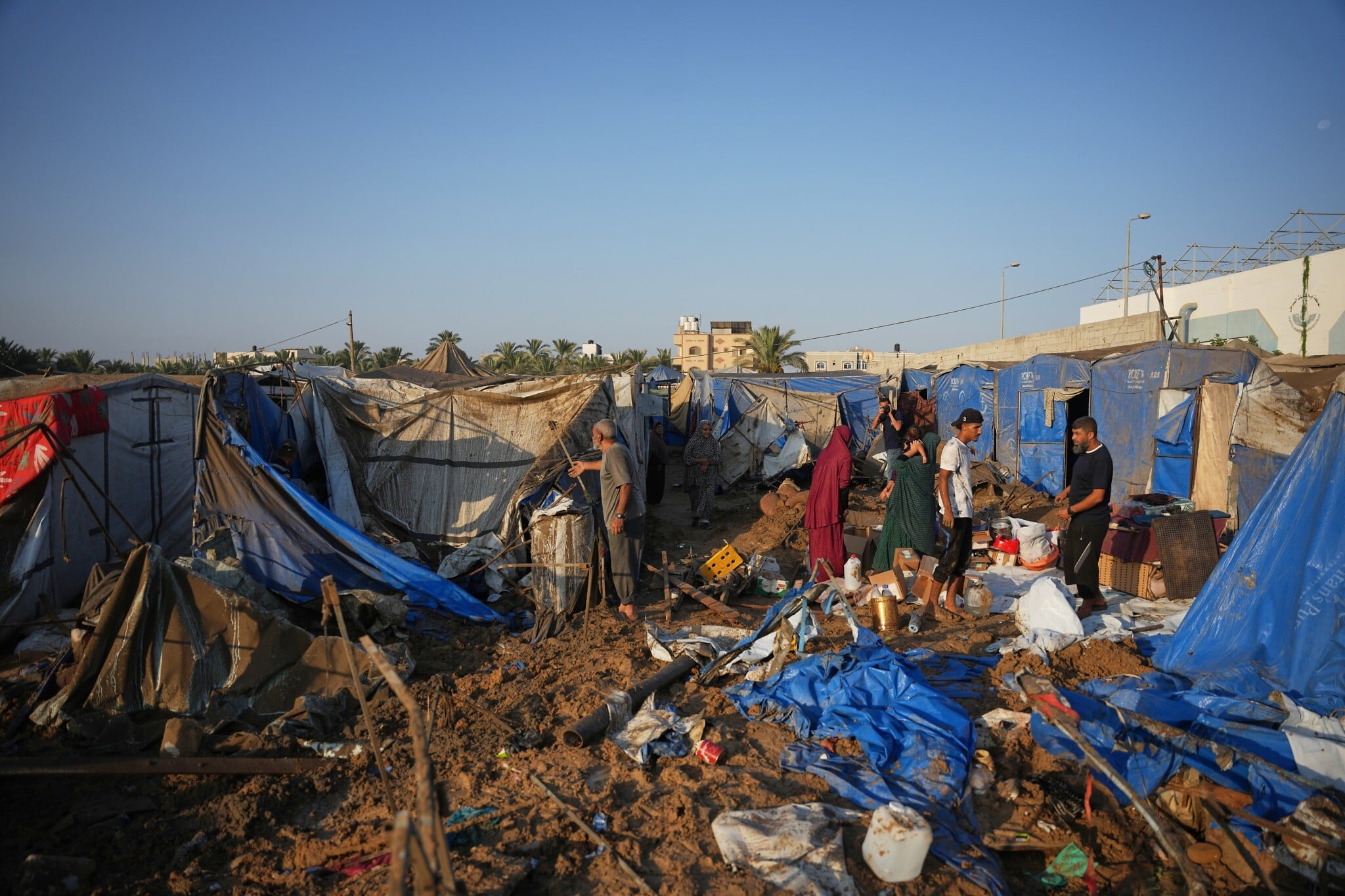
A comprehensive UN assessment of Gaza’s reconstruction needs found that the territory’s overall condition remains largely unchanged from the wartime period, with hundreds of thousands of people still living in tents because of widespread destruction and unemployment remaining extremely high.
“Open the crossings a little more and let goods come in,” the Gaza City resident said. “Cars in Gaza have run out of fuel, diesel is expensive, gasoline is expensive, spare parts are scarce. Transportation has become very weak, and people are walking in this heat.”
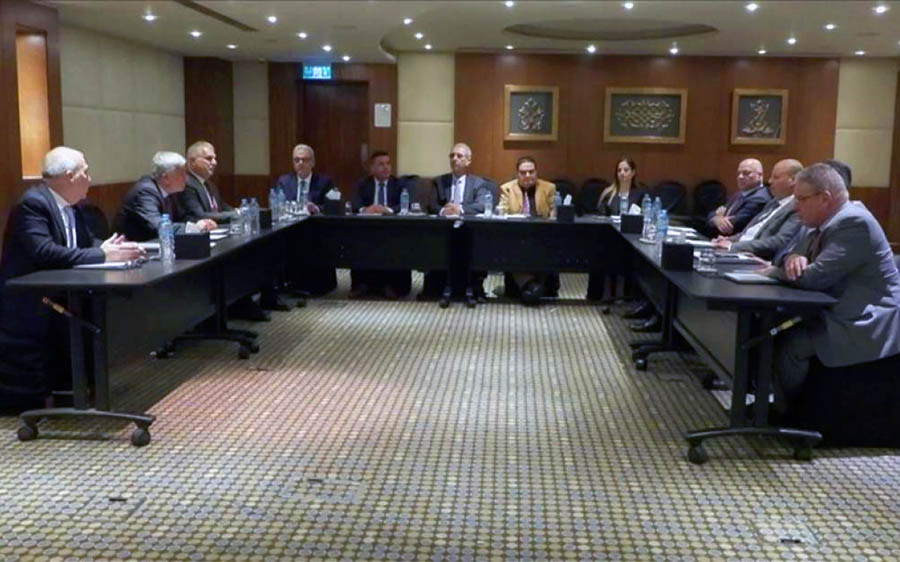
One of the key elements of the roadmap is the transfer of civilian governance from Hamas to NCAG, and the committee’s deployment is intended to be one of the key conditions enabling the large-scale reconstruction needed in the Strip.
But despite Trump’s announcement that Hamas had accepted the roadmap, a source close to the committee who requested anonymity told The Times of Israel that no date has yet been set for the committee’s entry into Gaza or the start of its operations.
The source said committee members had heard that they could begin operating in the Strip in the near future, but no concrete preparations had been made and no timetable had been established.